
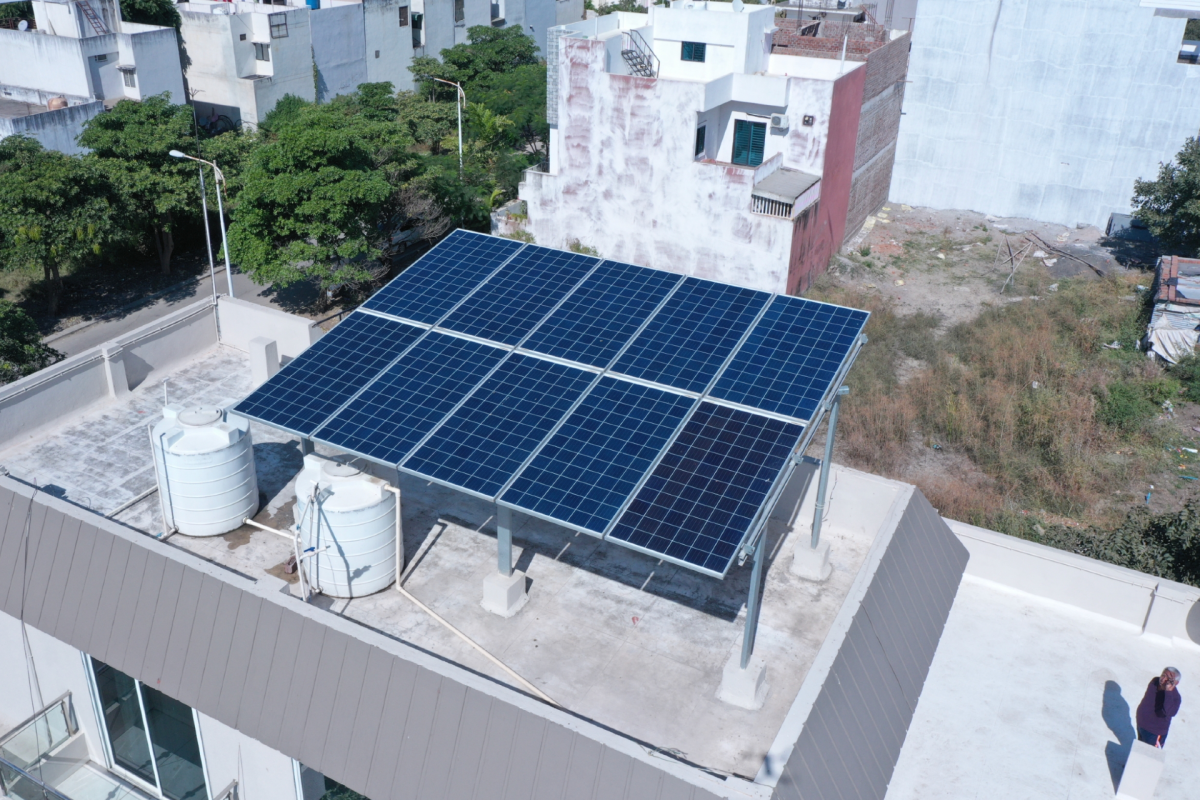
The Meteoric Rise of SolarSquare: Signaling a Pivot in India’s Energy Infrastructure
SolarSquare is currently navigating the final stages of a Series C funding round that highlights a significant transformation in the Indian renewable energy sector. With B Capital and Lightspeed Venture Partners co-leading an infusion of $55 million to $60 million, the Mumbai-based startup is poised to hit a valuation between $450 million and $500 million.
This valuation, representing an aggressive doubling in just 18 months, serves as a litmus test for investor appetite in residential clean energy. By shifting capital toward the rooftop model, top-tier venture firms are betting that the future of decentralized power in India lies in the hands of service-driven platforms rather than traditional, fragmented local installers.
Strategic Scaling and the Pivot to Residential Markets
Lightspeed Venture Partners’ involvement—a repeat investment from their growth-stage mandate—suggests a high level of institutional confidence. Historically, Lightspeed has focused on high-growth digital infrastructure like Razorpay and Zepto. Their decision to double down on SolarSquare reflects a belief that solar energy can be productized, moving away from the chaotic, unorganized nature of the regional contractor model.
SolarSquare’s strategic pivot has been crucial to this trajectory. By intentionally deprioritizing lower-margin industrial projects to focus on residential homes and housing societies, the startup has optimized its unit economics. Achieving an annualized revenue run rate of approximately ₹10 billion ($104 million) proves that there is significant purchasing power—and a growing environmental consciousness—within India’s urban residential segments.
Addressing India’s 2030 Renewable Mandate
The macroeconomic backdrop for this financing is the aggressive Indian government target of 500 gigawatts of renewable energy by 2030. With solar slated to constitute more than half of that capacity, the reliance on mega-utility farms is being complemented by a necessary surge in distributed rooftop solar.
India’s ascent to the world’s third-largest solar producer demonstrates the efficacy of government-backed subsidy schemes. However, the bottleneck has long been the last mile of implementation. SolarSquare functions as a full-stack platform, managing everything from design and installation to ongoing maintenance. This vertical integration is vital in a market that has long been dominated by disparate local dealers tied to major component manufacturers like Waaree Energies and Tata Power.
The Competitive Landscape and Future Outlook
Despite the competitive entry of established industrial players, SolarSquare’s moat lies in its operational footprint: serving over 50,000 homes and 400 housing societies across 29 cities. As it eyes a portfolio of 200 megawatts in residential capacity this year, the company is effectively commoditizing solar adoption across complex urban housing complexes.
As the deal with Elevation Capital and other investors nears completion, the industry should observe how SolarSquare balances rapid expansion with the logistics of nationwide service deployment. If successful, this funding round will likely trigger a wave of imitators, further consolidating the residential solar space and setting the stage for a more decentralized energy grid across the Indian subcontinent. Whether these platforms can maintain high quality-of-service as they scale into tier-two and tier-three cities remains the next major hurdle for the sector.