
Beyond AIS: The Shift Toward Maritime Intelligence Layers
The maritime industry has long suffered from a structural visibility paradox: despite international trade reliance on global shipping, the high seas remain an information vacuum. Most commercial vessels rely on the Automatic Identification System (AIS), a legacy technology that functions essentially as a basic location transponder. AIS is not only limited in the depth of information it provides, but it is also notoriously susceptible to spoofing and fraudulent reporting, creating significant blind spots for insurers, logistics providers, and regulators.
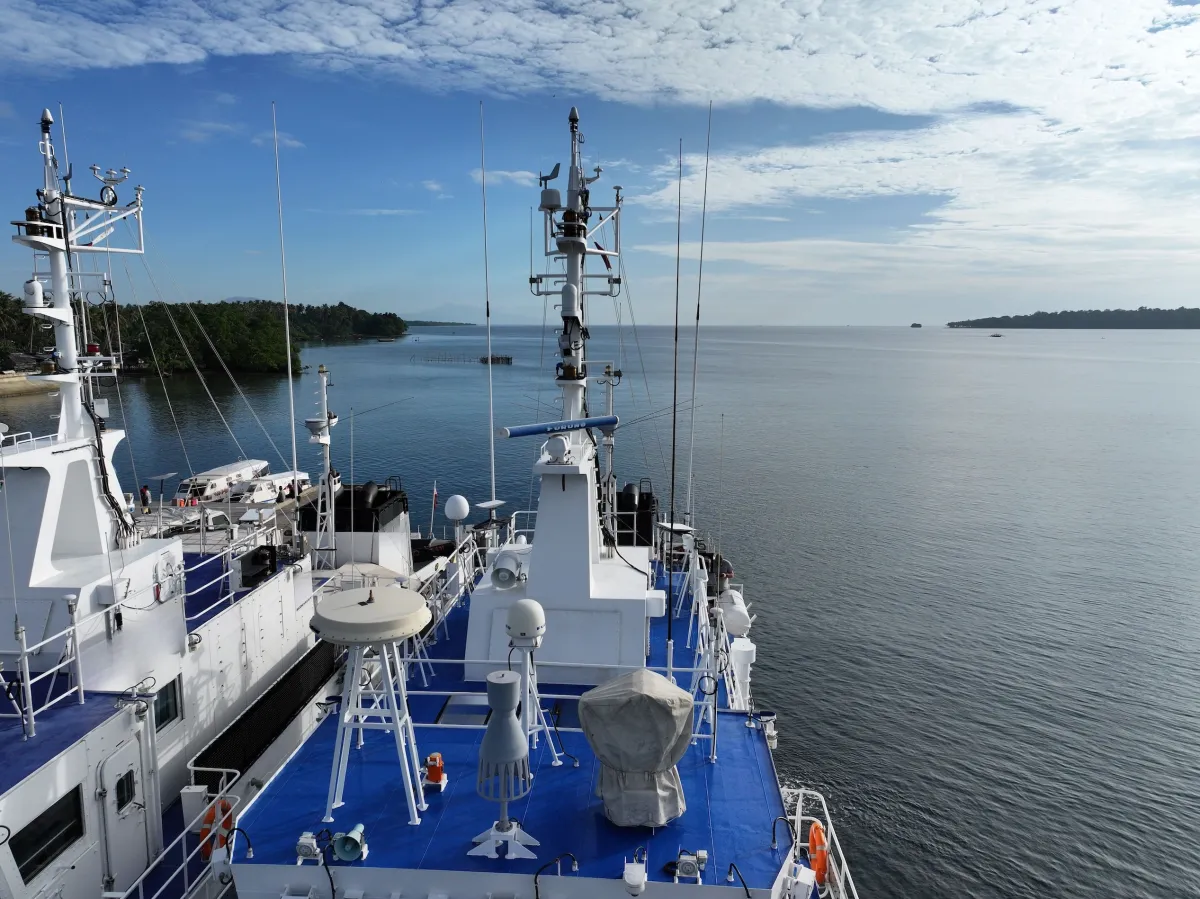
Quartermaster, an Arlington-based startup, is attempting to bridge this gap with its SmartMast platform. By deploying a weather-hardened, multi-sensor suite—incorporating cameras and radio receivers—directly onto vessel masts, the company is moving beyond simple location tracking. It is creating a distributed sensing network that functions as a continuous intelligence layer.
Scaling the Infrastructure of the Open Ocean
A major historical hurdle for maritime innovation has been the exorbitant cost of custom, standalone hardware. Previous attempts to digitize the maritime sector often failed because bespoke sensor deployments are difficult to scale across thousands of distinct vessels operating with thin profit margins.
Quartermaster’s approach avoids the pitfall of selling individual, low-margin hardware units by positioning itself as an infrastructure provider. By aggregating data from a fleet that has already traversed over 10 million square miles, the company is building a proprietary dataset. This is a critical development for the future of marine autonomy. Autonomous vessels require high-fidelity training data to navigate complex weather conditions and dynamic ocean traffic; by crowdsourcing this data, Quartermaster is building a moat that few hardware-only competitors can replicate.
Capitalizing on Untapped Technical Markets
The company’s recent $43 million Series A funding, co-led by First Round Capital and Quiet Capital, suggests that investors are banking on the scalability of this network-effect model. Bill Trenchard, a notable architect of early-stage software growth, views Quartermaster’s strategy as the definitive solution to the maritime data wall.
Strategically, the startup is also banking on talent acquisition as a competitive advantage. Founder Neil Sobin is betting that top-tier engineers, frustrated by the high saturation of AI roles in consumer social apps, will be attracted to the low-hanging fruit of maritime computer vision. Because the ocean has been historically underserved by modern software engineers, the technical impact of a single developer in the maritime space is exponentially higher than in saturated sectors.
Commercial Implications and Operational Utility
While the company has gained positive press for its involvement in over 20 mariner rescues, the long-term play is clearly commercial data monetization. By providing real-time intelligence on vessel behavior, cargo movement, and environmental conditions, Quartermaster is aligning its incentives with the needs of the industry.
Unlike vendors who attempt to force new, expensive hardware into low-margin maritime operations, Quartermaster’s model hinges on the utility of the network. If the platform consistently provides actionable intelligence—ranging from incident response to supply chain transparency—it moves from being a nice-to-have sensor utility to an essential component of insurance risk assessment and logistics optimization. In an industry where efficiency is the only way to squeeze more profit from razor-thin operating budgets, a hive mind for shipping represents a significant, long-overdue technological upgrade.