
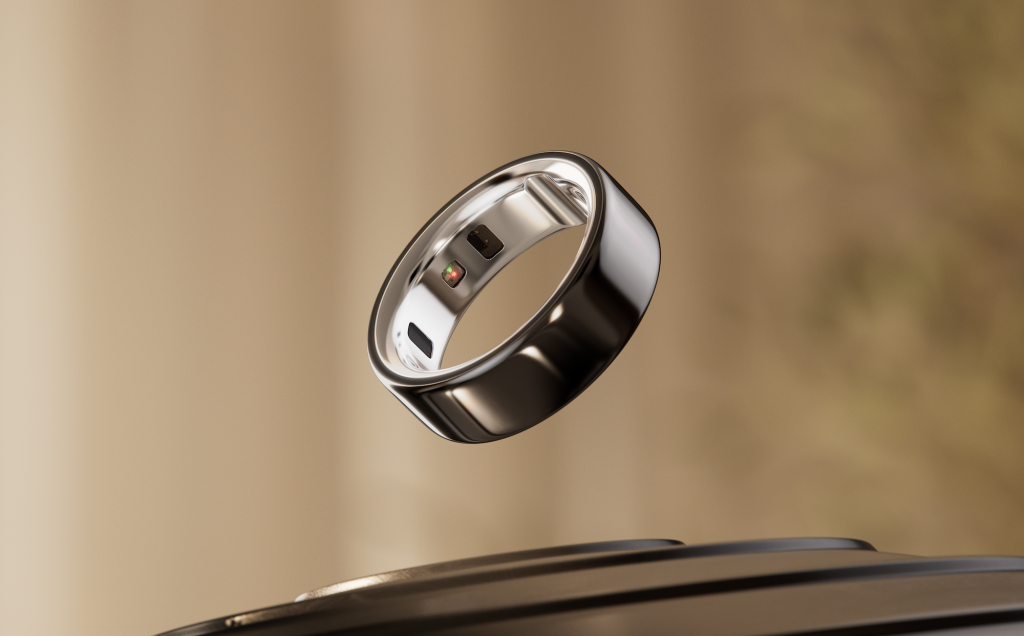
Oura Paves Path to Public Markets Amid Wearable Tech Surge
Oura, the Finnish health-tech innovator behind the market-leading Oura Ring, has officially moved toward a public listing by confidentially filing IPO paperwork with the U.S. Securities and Exchange Commission. While the company has withheld specific details regarding share pricing and volume, the move marks a significant milestone for the wearable sector, signaling that the smart ring category has officially matured into a core pillar of the digital health industry.
With a valuation that hit the $11 billion mark as of October 2024, Oura is positioning itself as a heavyweight contender for public markets. The arrival of institutional giants like Fidelity Investments and Iconiq Capital to its cap table, alongside early-stage support from Lifeline Ventures and Proxy Ventures, underscores the confidence investors have in the company’s scalability and long-term viability.
Financial Velocity and the Scaling Moat
The company’s financial trajectory suggests a business nearing an inflection point of exponential growth. Oura reported a doubling of revenues between 2023 and 2024, with projections indicating a repeat of that performance throughout 2025. By targeting $1 billion in annual sales by the end of 2025, Oura is demonstrating that consumer appetite for biometric data—tracking everything from sleep architecture to physiological readiness—has moved from a niche fitness interest to a mainstream wellness requirement.
CEO Tom Hale has framed this growth not just as a result of marketing, but as a result of a strategic moat built through capital density and research. In an era where hardware parity is common, Oura is betting that its ability to outspend competitors on Research and Development will provide a sustainable barrier to entry.
Data as the Engine of Competitive Advantage
At the heart of Oura’s IPO narrative is the pivot from simple biometric monitoring to proprietary data science. Hale has repeatedly emphasized that the company’s competitive advantage rests upon the depth, frequency, and clinical-grade accuracy of its data sets.
As the tech industry pivots toward AI-driven health insights, Oura is leveraging its massive, high-fidelity data repository to train predictive algorithms. By positioning itself as a data company that happens to use rings as the data collection interface, Oura is attempting to decouple its valuation from traditional consumer electronics multiples—which are often volatile—and align it more closely with the higher-multiple, recurring revenue potential of data-heavy AI platforms.
Implications for the Wearable Ecosystem
The IPO filing arrives at a critical juncture for the industry. As competitors like Samsung and other tech conglomerates enter the smart ring space, Oura’s move to go public suggests it is aiming to secure the capital reserves necessary to defend its market share.
If Oura successfully transitions to the public markets, it will set a benchmark for the valuation of hardware-plus-subscription business models. For stakeholders, the primary question will be whether the company can maintain its lead in science-first innovation while navigating the scrutiny and short-term quarterly pressures that come with a public listing. By effectively turning physiological data into a consumer utility, Oura is setting the stage for a new generation of personal health analytics platforms.