
The Shift Toward Centralized AI Governance
ServiceNow’s recent expansion of its artificial intelligence ecosystem marks a transition from experimentation to industrialization. As enterprises struggle with the rapid, uncoordinated deployment of disparate AI tools, the company is pivoting to provide a command-and-control layer. This shift is not merely an incremental feature update; it reflects a broader industry recognition that AI is becoming a liability if it remains disconnected from organizational workflows, identity governance, and security mandates.
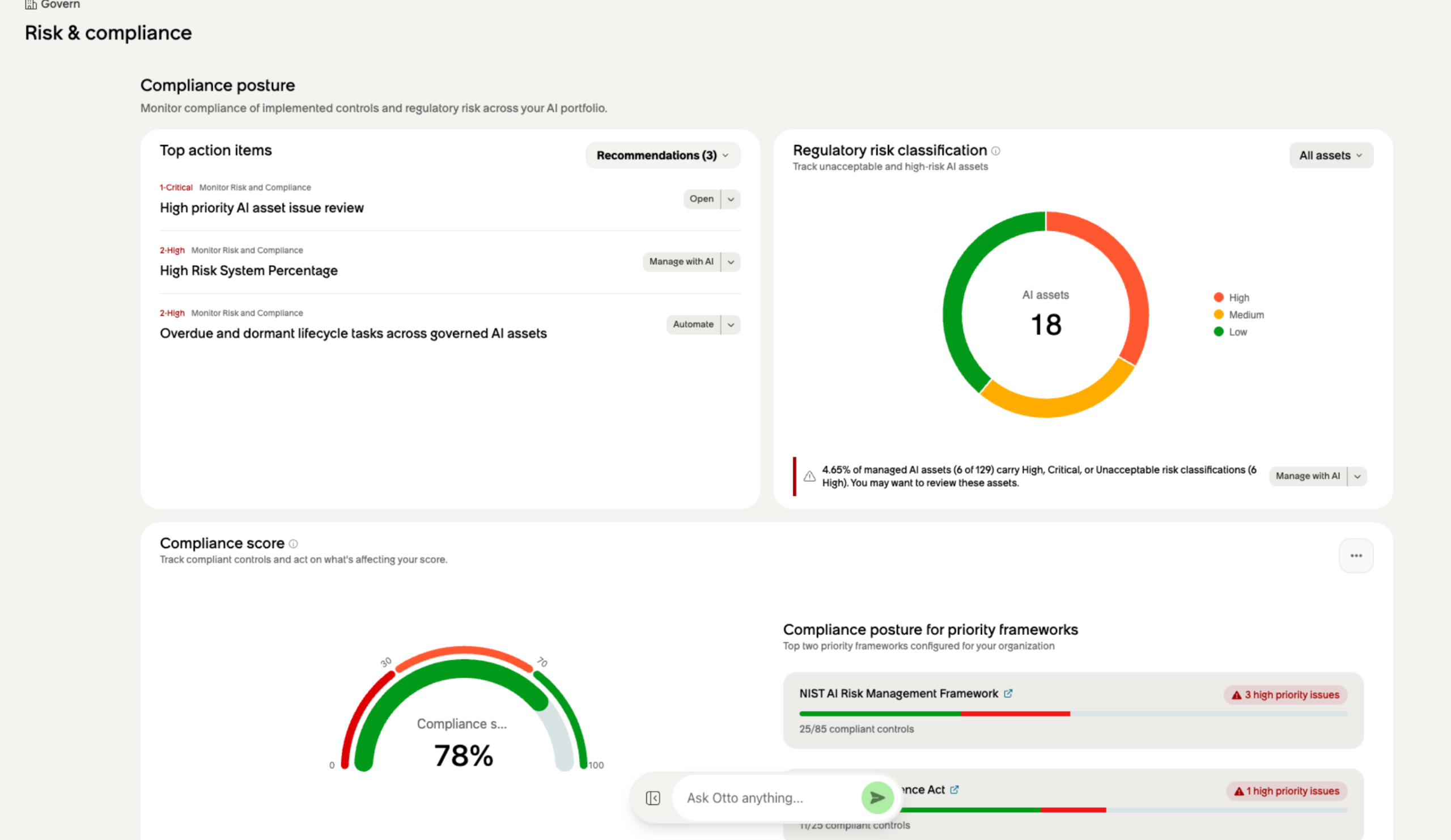
The core of this strategy is the evolution of the AI Control Tower. By bundling discovery, security, and financial measurement into a single management console, ServiceNow is positioning itself as the primary operating system for enterprise AI. This is a crucial development for IT leadership, as it moves the focus from playing with models to managing a fleet of autonomous digital workers with the same rigor applied to human employees.
Solving the Black Box Problem with Advanced Observability
A significant bottleneck to AI adoption has been the lack of visibility into agentic decision-making. ServiceNow is addressing this by enhancing its runtime observability capabilities. By allowing organizations to audit how an AI agent reaches a specific conclusion, the company is effectively de-risking the use of Large Language Models (LLMs) in high-stakes environments like customer service and IT infrastructure management.
Furthermore, integrating regulatory frameworks directly into the governance hub—specifically mapping controls to the NIST Cybersecurity Framework and the EU AI Act—demonstrates that ServiceNow understands the legal burden facing modern enterprises. By embedding compliance into the platform’s fabric, they are effectively turning governance from a manual, quarterly task into a continuous, real-time process.
Consolidated Security for Non-Human Identities
The meteoric rise of autonomous agents has created a massive security vacuum. As these agents proliferate, they create a growing surface area of non-human identities that rarely have the same credential scrutiny as their human counterparts. Through its integration of Veza and Armis technologies, ServiceNow is attempting to bridge this gap.
The platform is now capable of mapping the identity-access relationship between data, permissions, and AI agents. This is a critical evolution for cybersecurity teams: by correlating signals across the enterprise, the system can identify, flag, and remediate unauthorized access in real-time. This proactive stance on Autonomous Security is likely to become the baseline expectation for any enterprise-grade AI architecture moving forward.
Beyond Chatbots: The Rise of the Autonomous Workforce
Perhaps the most significant aspect of this update is the acceleration of the Autonomous Workforce. ServiceNow is moving beyond simple conversational interfaces to deploy AI specialists that function as active team members capable of executing complex, multi-step workflows.
Real-world application, as seen by industry leaders like Rolls-Royce, highlights the necessity of data readiness. As Phil Priest noted, AI acts as an efficiency multiplier—but it also amplifies existing process flaws. ServiceNow’s emphasis on consolidating these AI agents onto a common platform allows them to share context, ensuring that the automation is not just doing things faster, but doing them correctly according to existing organizational policies.
Strategic Implications for the Future
The ultimate objective of ServiceNow’s strategy is the consolidation of the fragmented AI software stack. Currently, many organizations are running disjointed point solutions for AI orchestration, security, and data management. By offering an integrated control layer, ServiceNow is aiming to become the indispensable backbone of the autonomous enterprise.
For executives, the message is clear: the future of AI is not just about the quality of the model, but the quality of the orchestration. As AI agents move from the periphery to the center of business processes, platforms that can provide transparent governance and automated remediation will emerge as the inevitable winners in this new enterprise landscape.