
The Strategic Implications of the Foxconn Ransomware Breach
The recent cybersecurity incident involving Foxconn represents a critical inflection point for global manufacturing supply chains. As the primary contract manufacturer for industry titans including Apple, Nvidia, Google, and Intel, Foxconn occupies a singular position in the technology ecosystem. The confirmation that a cyberattack has compromised its North American facilities suggests that even the most well-capitalized manufacturing infrastructure remains vulnerable to sophisticated infiltration tactics.
Dissecting the Nitrogen Ransomware Tactic
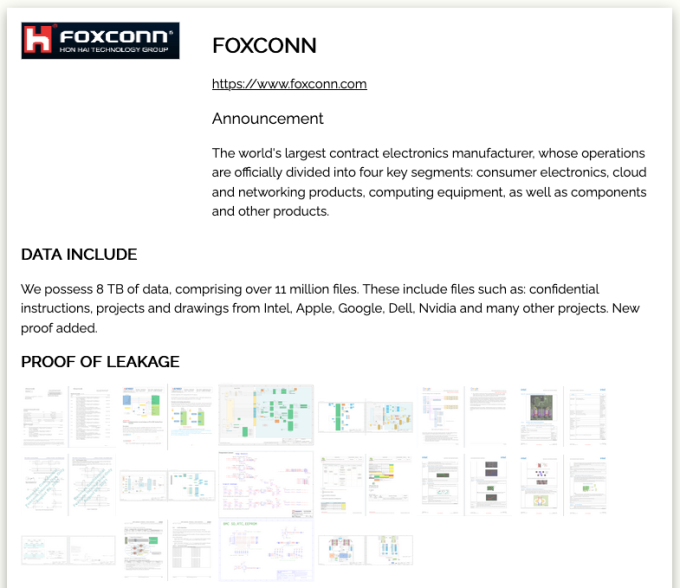
The threat actor known as Nitrogen has claimed responsibility for the breach, categorizing this event as a high-stakes double-extortion operation. Unlike traditional ransomware that focuses solely on file encryption, Nitrogen utilizes a dual-threat methodology: disabling system access while simultaneously exfiltrating sensitive intellectual property. By stealing approximately 11 million files, the group has effectively weaponized proprietary product data—such as schematics and internal design guidelines—as leverage to force a ransom payment.
The publication of corroborating evidence, including internal manufacturing documents, serves as a tactical warning to the enterprise market. For a company like Foxconn, where the primary enterprise value lies in its proprietary production processes and client partnerships, the risk extends far beyond immediate operational downtime. The potential public disclosure of sensitive data regarding client hardware roadmap cycles could have long-term repercussions for the R&D competitive advantages of its global partners.
Systemic Vulnerability in Scaled Manufacturing
This incident exposes a fundamental fragility in contemporary manufacturing: the disconnect between rapid operational scaling and cybersecurity hardening. While Foxconn has indicated that operations are returning to normal, the downstream effects on its clients remain opaque. When a manufacturer of this scale is compromised, the blast radius is never contained solely to the parent company.
Industry analysts must now consider how this breach will influence vendor risk management programs. Tech giants often rely on the manufacturing secrecy of their partners to maintain market exclusivity. If the integrity of data hand-offs between OEMs and their contract manufacturers becomes a recurring point of failure, we should expect a shift toward stricter cybersecurity compliance mandates. Companies will likely begin requiring more robust, audited security protocols before integrating new suppliers into their supply chain loops.
The New Normal: Supply Chain Resilience vs. Extortion
The Nitrogen attack highlights an ongoing evolution in the threat landscape where digital sabotage aims to disrupt the global economy by targeting the nodes that sustain it. As manufacturers increasingly rely on interconnected industrial IoT systems to maintain high-output production, the attack surface for ransomware syndicates continues to expand.
For the broader manufacturing sector, the message is clear: recovery is merely the first step. The true challenge lies in mitigating the reputational damage and the fallout from intellectual property exposure. As long as double-extortion actors can successfully monetize stolen product schematics, the world’s largest component and device manufacturers will remain high-value targets for digital espionage and extortion. The industry’s priority must shift from reactive recovery to proactive data isolation and rigorous audit trails for all sensitive client communication.