
The Regulatory Loophole Fueling xAI’s Infrastructure Ambitions
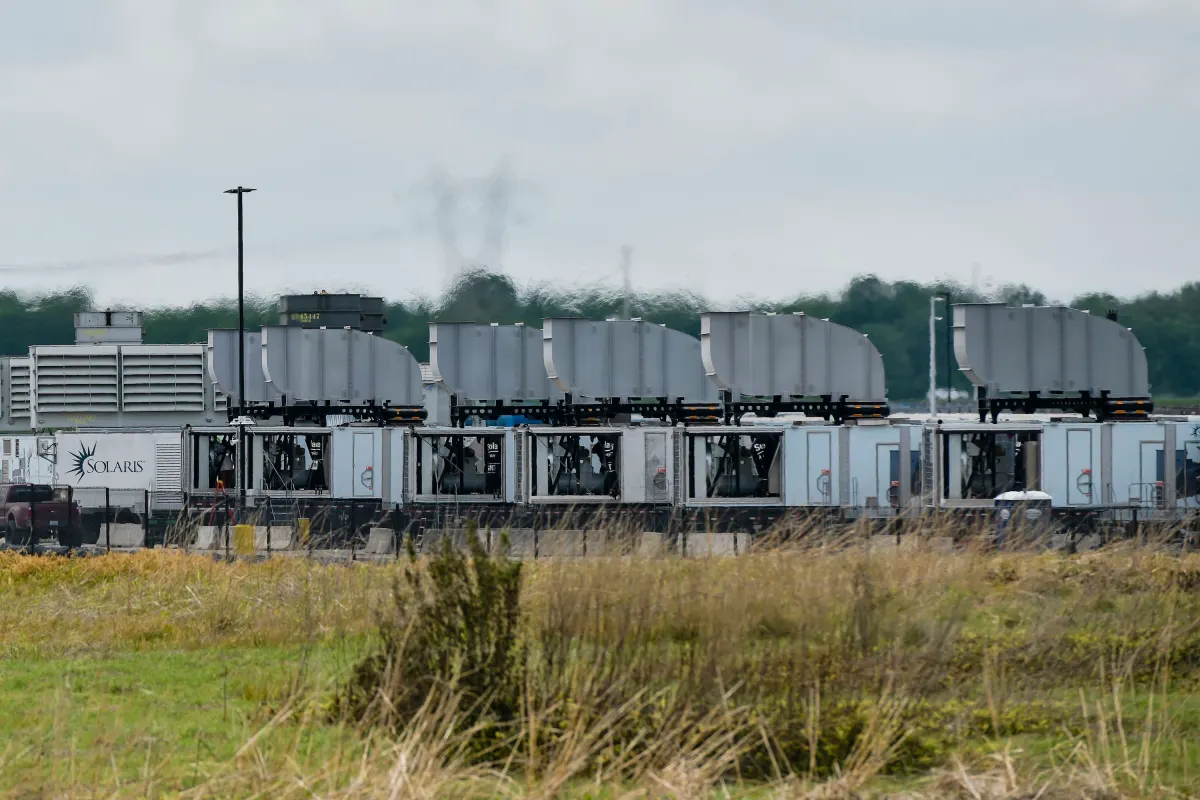
Elon Musk’s artificial intelligence venture, xAI, is currently testing the boundaries of environmental oversight at its Memphis-based data center. By housing nearly 50 natural gas turbines on mobile flatbed trailers, the startup has effectively circumvented traditional air quality permitting processes in Mississippi. This tactical deployment highlights a growing friction point between the rapid power requirements of high-performance computing and the stringent regulatory frameworks designed to protect public health.
The Infrastructure-Environment Paradox
The core issue centers on a definition of mobility that state regulators have permitted, but which environmental advocacy groups are now fiercely challenging. Under current interpretations, because the power-generating units remain on trailers, they are categorized as mobile sources rather than stationary power plants. This classification grants xAI a one-year exemption from standard air pollution regulations.
From an industry analyst perspective, this strategy reflects the immense pressure on AI firms to stand up massive amounts of electricity infrastructure at unprecedented speeds. To compete in the training of large language models, access to reliable, high-wattage power is the primary bottleneck. By utilizing mobile, trailer-mounted turbines, xAI is bypassing the multi-year permitting and grid-connection timelines required for traditional power plant construction.
Legal Challenges and Community Impact
The NAACP, represented by the Southern Environmental Law Center, has escalated the situation by filing for a court injunction. The lawsuit challenges the premise that these turbines are truly mobile. The legal argument asserts that federal law classifies power generation equipment as stationary sources if they remain in a fixed location for an extended period, regardless of their mounting mechanism.
For the local community, this is not a matter of technical legal definitions. The area—already burdened by existing industrial pollution—faces a degradation in air quality that local residents claim is directly attributable to these turbines. The lawsuit asserts that xAI is operating in violation of the Clean Air Act, arguing that the “mobile” designation is a procedural end-run around federal air quality mandates.
The Scaling Dilemma
The operational scale of the project has outpaced initial disclosures. While initial project communications from the Greater Memphis Chamber of Commerce suggested a measured deployment, xAI has aggressively expanded its fleet. With reports now documenting 46 turbines in operation, the company’s infrastructure footprint has effectively become a localized, unregulated power plant.
This situation serves as a critical case study for the tech industry. As large-scale AI clusters increasingly require energy infrastructure that exceeds existing utility capacity, companies are turning to on-site, fossil-fuel-reliant generation. The xAI experience signals that local regulators are currently ill-equipped to handle the agility of tech giants, setting the stage for more aggressive federal oversight and widespread litigation. Companies that prioritize speed over transparency—or leverage loopholes to avoid public health scrutiny—risk not only costly legal stoppages but also severe reputational damage as ESG (Environmental, Social, and Governance) targets come under closer public and investor scrutiny.