
Transforming Personal Media into Functional Personalization
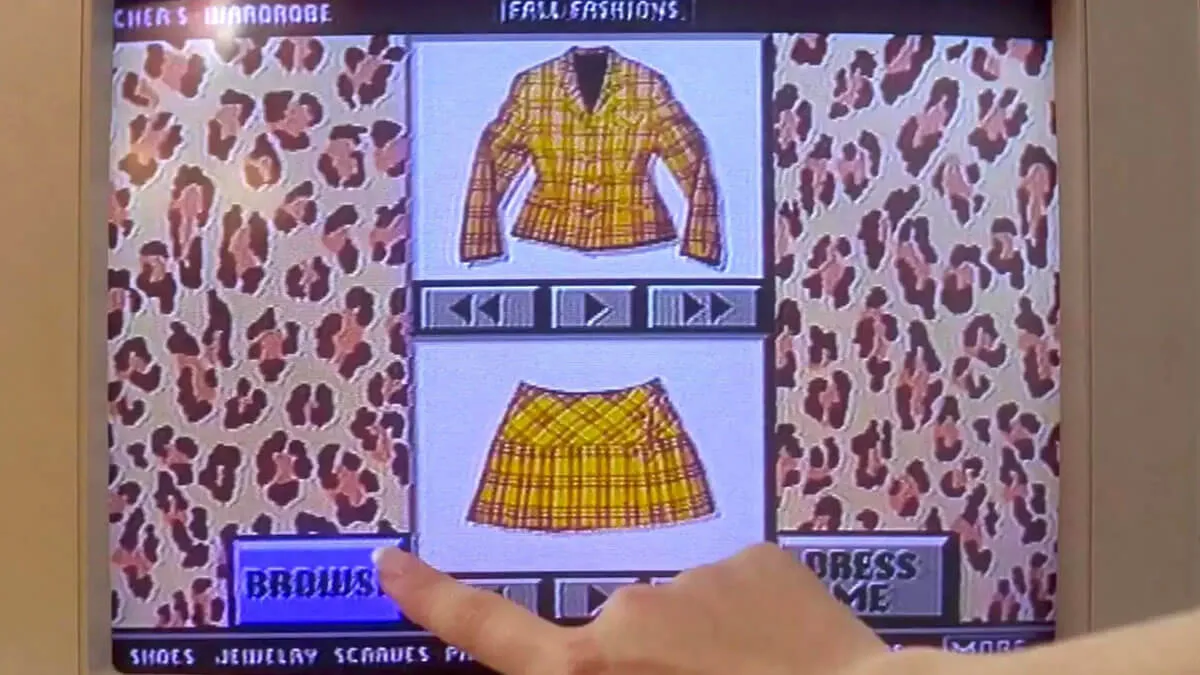
Google Photos is shifting its value proposition from a static image repository to an active participant in lifestyle management. By introducing an AI-driven digital closet feature, the company is bridging the gap between historical archival and generative utility. The objective is to leverage the vast, latent data already stored in user galleries—specifically photographs of personal apparel—to create a functional inventory that simulates the iconic virtual closet from the film Clueless.
This development signals a significant pivot in how tech giants are extracting value from personal photo libraries. Rather than acting as a passive backup for memories, the platform is evolving into an AI-powered styling assistant. For the fashion-tech sector, this represents a democratization of tools once reserved for high-end digital stylists or boutique retail platforms.
Operational Mechanics and User Experience
The architecture of this feature relies on sophisticated computer vision models capable of identifying, segmenting, and categorizing apparel. By analyzing full-body shots and isolated product photos within Google Photos, the AI constructs a searchable database. Users can then manipulate these assets across categories such as tops, bottoms, and accessories to iterate on potential outfits.
Beyond simple organization, the feature integrates social and planning elements, allowing users to save these combinations into mood boards for specific environments, ranging from professional settings to travel itineraries. The inclusion of a virtual try-on module suggests that Google intends to push into augmented reality (AR) or generative imaging, allowing users to visualize how these digital assets pair against their own likeness.
Strategic Implications for the Fashion and Tech Ecosystem
The introduction of this tool presents a looming disruption for both fashion apps and e-commerce platforms. Currently, many brands use outfit builders to increase conversion rates, often requiring users to manually input items or shop exclusively from their catalog. Google’s approach is platform-agnostic; it doesn’t limit the user to a single retailer, but rather synthesizes their existing real-world wardrobe.
If successful, this technology could influence consumer behavior by discouraging impulse spending and encouraging shopping your own closet. For the industry, this highlights a growing consumer preference for sustainability and utility over mindless consumption. However, the accuracy of the feature remains the primary variable for mass adoption. While the AI can ingest existing media, optimal performance will likely require users to consciously curate their wardrobe library, mirroring the deliberate data entry once seen as a luxury in pop culture.
The Road Ahead: Rollout and Scaling
Google has confirmed that the feature will debut on Android platforms later this summer, with an subsequent expansion to iOS. As the company refines its models to better segment clothing from cluttered, everyday photos, the capability will likely improve through continuous machine learning cycles.
For industry watchers, the move underscores a broader trend: the utility-layer era of AI. Where previous iterations of Google Photos focused on search queries like dog or beach, the platform is now positioning itself to provide high-value, actionable lifestyle outcomes. By embedding these tools into the user’s primary photo hub, Google effectively increases switching costs for users, making the ecosystem—and its AI capabilities—an indispensable tool for daily decision-making.