
The Distillation Dilemma: Challenging the Moat of Frontier AI Labs
The rapid ascent of generative AI has long relied on the assumption that massive capital expenditure in compute infrastructure creates an insurmountable moat. However, the practice of model distillation—using the output of high-performing frontier models to train smaller, more efficient downstream models—is systematically eroding that advantage.
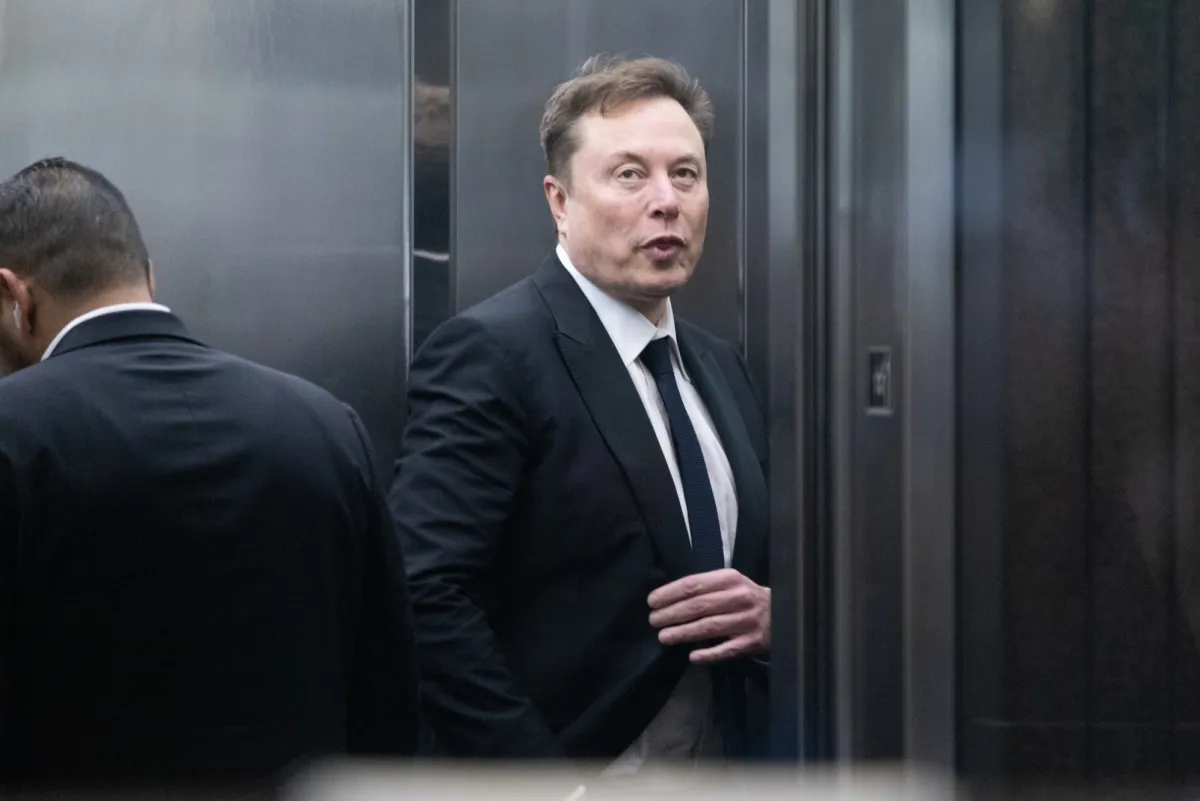
Recent testimony from Elon Musk in his ongoing litigation against OpenAI has confirmed what many industry analysts have suspected: model distillation is not merely a peripheral threat from foreign competitors, but a standard operating procedure within the ranks of American AI firms.
An Admission with Industry-Wide Repercussions
During his recent time on the stand, Musk addressed allegations regarding his own firm, xAI. When questioned regarding the use of OpenAI’s models to train Grok, Musk offered a candid, if nuanced, confirmation. This admission cuts through the industry standard of feigned ignorance and positions distillation as a fundamental tactical maneuver rather than a technical anomaly.
For newer entrants like xAI, trailing years behind the first-mover advantage of organizations like OpenAI, distillation acts as a critical equalizer. By capturing the reasoning patterns of state-of-the-art systems, smaller teams can achieve performance metrics that would otherwise demand billions of dollars in unique, proprietary research and development.
The Hypocrisy of Proprietary Data Protection
The irony of this situation is profound. For years, major frontier labs have justified the aggressive scraping of copyrighted internet data as a necessary component of innovation. Now, as those same companies attempt to secure their own APIs against distillation, they argue that their model outputs are proprietary assets.
The legal landscape remains ambiguous. While distilling a model may violate a provider’s Terms of Service (ToS), it is not clearly defined in existing intellectual property law as an act of infringement. Consequently, industry leaders—specifically those within the Frontier Model Forum—are pivoting toward technical mitigation. They are quietly fortifying their APIs to detect and block suspicious, high-frequency query patterns that suggest data harvesting, essentially locking the doors to the same labs that once relied on open-access data to build their own foundations.
Geopolitical and Competitive Implications
The industry’s collective defensive posture, led by OpenAI, Anthropic, and Google, has framed distillation primarily as a threat posed by foreign entities, particularly Chinese firms producing highly capable, low-cost open-weight models. By shifting the discourse toward national security and foreign competition, these firms have attempted to rebrand a defensive maneuver against their own domestic rivals as a patriotic necessity.
However, Musk’s testimony suggests that the primary pressure is internal. The competitive gap between a well-funded startup and an incumbent is shrinking because distillation allows shortcuts in the training process.
Assessing the Hierarchy of AI Power
Beyond the mechanics of distillation, Musk’s testimony offered a rare public ranking of the current market leaders. Placing Anthropic at the zenith of the industry, followed by OpenAI and Google, Musk’s perspective underscores a transition in the AI market.
At this stage, the frontier is no longer just about who has the most raw compute; it is about who can effectively curate, distill, and refine intelligence. As labor costs and model sizes remain critical variables, the ability to iterate using an incumbent’s own outputs will likely remain the most contested aspect of the AI arms race. The legal fallout from the OpenAI trial will not just settle specific contractual grievances; it will likely influence how the industry defines the ownership of reasoning itself.