
The Strategic Pivot: Why Waymo Is Retrenching Freeway Operations
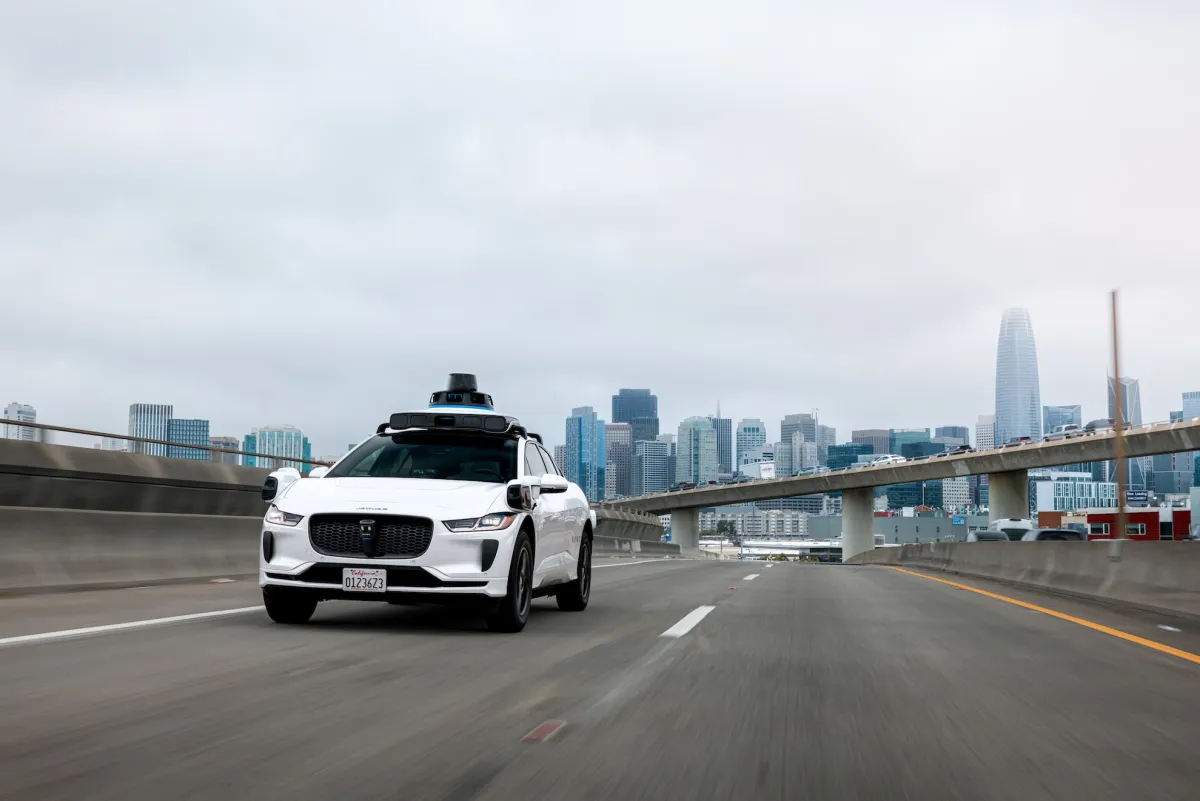
Waymo has confirmed a temporary suspension of highway-speed operations for its autonomous fleet, marking a significant, albeit strategic, retreat from its rapid scaling efforts. While the company maintains that it is actively integrating fresh technical insights into its software stack to facilitate a swift resumption of high-speed routes, the move exposes the underlying volatility inherent in deploying Level 4 autonomous vehicles across heterogeneous driving environments.
For Waymo, the transition to freeway driving—introduced in late 2025—was a critical milestone designed to improve ride efficiency and enable competitive transit times for long-range trips, such as airport shuttles. By opting to pull back, the organization is acknowledging that the current sensor-fusion and decision-making architectures have not yet reached the reliability threshold required for safe, sustained operation in high-speed, unpredictable traffic corridors.
Infrastructure Challenges and the Reliability Gap
This tactical pause on freeways mirrors broader operational struggles Waymo has faced recently, specifically regarding environmental and situational edge cases. The company previously halted operations in Atlanta and San Antonio due to recurring, poorly managed interactions with flooded roadways. These incidents resulted in a formal software recall intended to prevent vehicles from entering deep water.
The recurring theme across these disruptions is a struggle with edge case navigation. Whether it is responding to sudden weather events or, as evidenced by recent viral reports, failing to navigate active construction zones, the autonomous stack is demonstrating a fragility that does not exist in human driving. The reported incident of a Waymo vehicle driving through traffic cones—and subsequently attracting police attention—highlights the growing tension between the company’s aggressive deployment schedule and the maturing reality of its machine perception systems.
Scaling Ambitions vs. Technical Reality
Waymo remains committed to its stated goal of reaching one million paid rides per week by the end of 2026. However, these disruptions create a challenging narrative for stakeholders. Expanding into new urban centers is fundamentally easier when vehicles are confined to predictable low-speed surface streets, but long-term economic viability hinges on the ability to move passengers across vast, high-speed metropolitan infrastructure.
The upcoming introduction of the Ojai robotaxi, built in partnership with Zeekr, represents a major hardware evolution for the company. Yet, hardware upgrades do not necessarily equate to improved software intelligence. If Waymo cannot solve the complexities of lane changes, high-speed obstruction detection, and construction zone navigation, the deployment of new, purpose-built vehicles may do little to alleviate the fundamental safety concerns that currently necessitate these regional and functional pauses.
Industry Implications
For the broader autonomous vehicle industry, Waymo’s situation serves as a cautionary tale regarding the last mile of development. The industry has effectively solved basic point-to-point transit in static environments; however, the transition to high-speed dynamic environments remains an immense technical barrier.
Waymo’s decision to pause reflects a maturation of its risk management strategy. Rather than forcing software to operate in conditions where it is clearly underperforming, the company is prioritizing safety to preserve its regulatory standing. This approach is likely to become the industry standard, as companies move away from move fast and break things in favor of incremental rollouts and proactive service suspensions. Ultimately, the success of the robotaxi model depends not on fleet size, but on the consistency of the vehicle’s performance when traffic flows at highway speeds.