
Congressional Scrutiny Mounts Over Instructure Security Failures
The House Homeland Security Committee has launched a formal inquiry into Instructure, the parent company behind the ubiquitous Canvas learning management system, following a pair of high-profile cyberattacks that compromised the sensitive records of millions of students. Representative Andrew Garbarino, chair of the committee, has issued a demand for leadership to provide testimony regarding the company’s handling of these security failures.
This intervention signals a broader shift in how Washington intends to regulate educational technology vendors. As these platforms integrate deeply into the fabric of public and private education, lawmakers are increasingly viewing them as critical infrastructure rather than private software entities.
Analyzing the Failure of Incident Containment
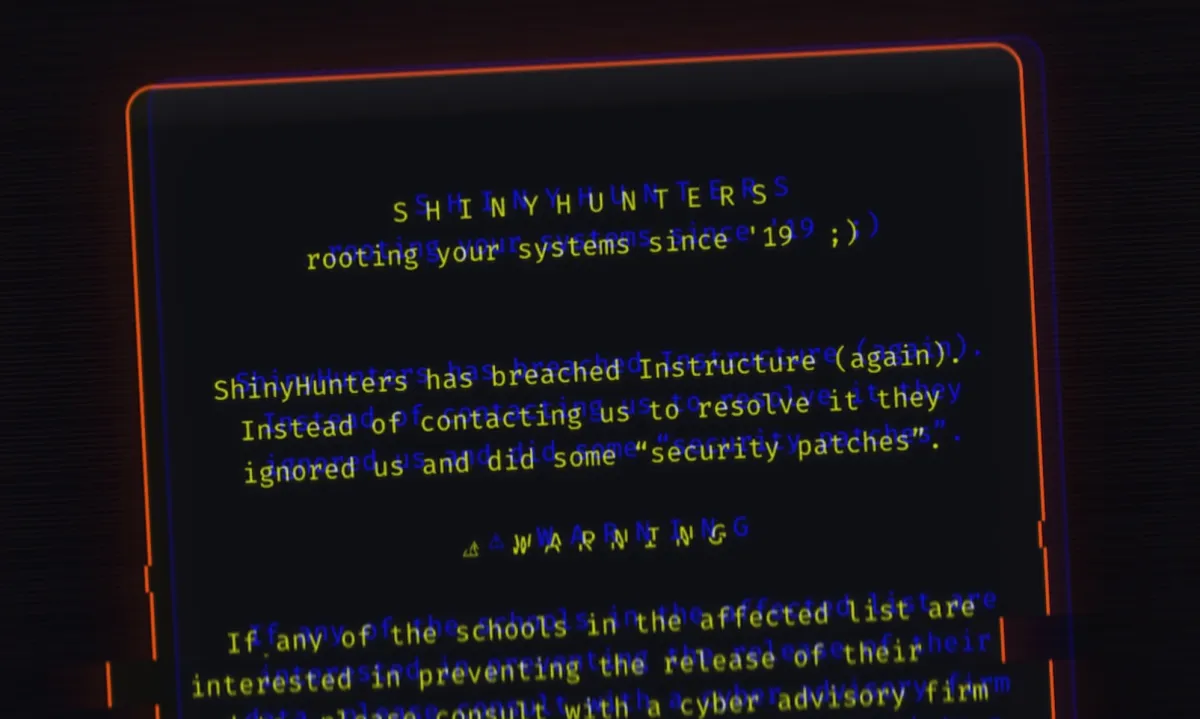
The core of the congressional investigation lies in the troubling fact that Instructure was compromised twice by the same threat actors using the same exploitation vector. After the initial breach resulted in massive data exfiltration, the attackers were able to return to deface school login portals.
For industry observers, this represents a textbook case of ineffective remediation. From a cybersecurity engineering perspective, a successful second intrusion via the same vulnerability indicates a systemic failure in the company’s patch management lifecycle and post-incident forensic validation. By failing to fully evict the threat actors or adequately harden the perimeter after the first engagement, the company inadvertently signaled to the attackers that their systems remained vulnerable.
The Ethics and Risks of the Extortion Lifecycle
The investigation also underscores a precarious industry trend: the reliance on payments to cybercriminals. Security analysts have long warned that paying ransoms to secure data deletion is a fallacious strategy. Stolen datasets are often archived, traded on illicit marketplaces, or retained by attackers for future extortion cycles.
When a company like Instructure suffers repeat incidents, it raises questions about whether the entity prioritized rapid resumption of service over the more rigorous, time-intensive process of sanitizing environments to prevent recurrence. The committee’s interest suggests that the federal government is no longer content to let software vendors manage these crises in isolation, particularly when the data at risk involves minors and PII (personally identifiable information).
Implications for the EdTech Ecosystem
This incident exposes a significant risk profile for the broader EdTech sector. As school districts increasingly rely on consolidated platforms like Canvas, the centralized nature of these repositories makes them high-value targets for both ransomware syndicates and state-sponsored actors.
The involvement of the Cybersecurity and Infrastructure Security Agency (CISA) indicates that the government views the threat to student data as a potential national security concern. If Instructure is forced to testify under oath, the testimony will likely set a new precedent for how vendors are expected to communicate with their institutional clients during an active breach.
For the industry, the takeaway is clear: oversight is tightening. Vendors will likely face increased pressure to provide third-party audit reports and demonstrate continuous monitoring capabilities as a standard requirement for government-funded school contracts. Failure to achieve these standards could lead to rigorous federal mandates, fundamentally altering the operating requirements for educational software providers moving forward.