
The Strategic Standoff: Assessing Global AI Dominance vs. Regulatory Oversight
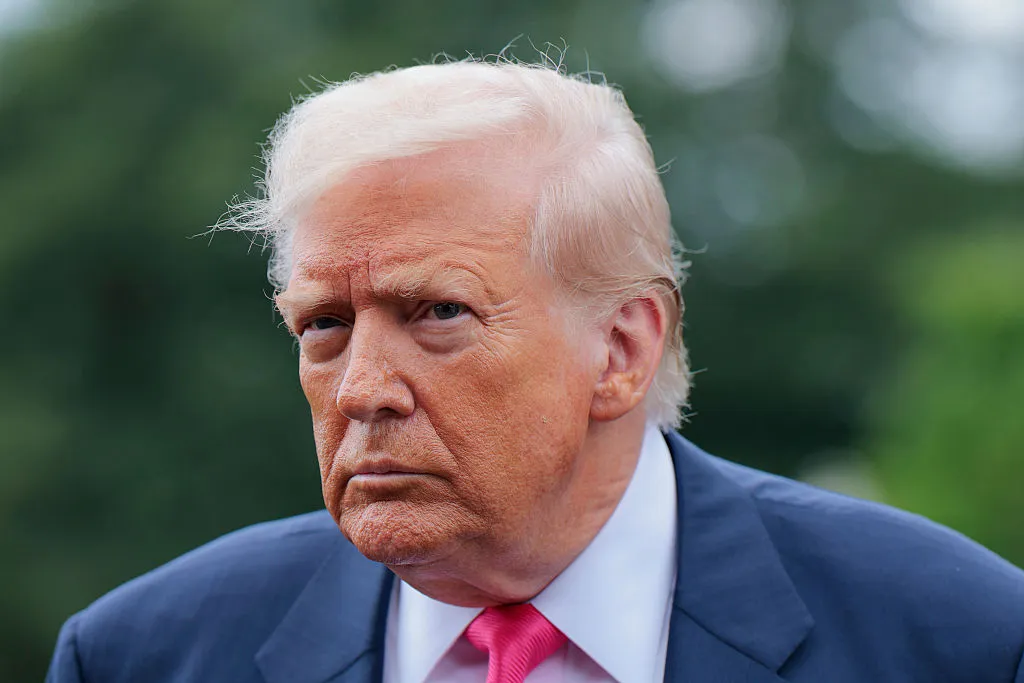
President Donald Trump has stalled the signing of a pivotal executive order (EO) aimed at subjecting advanced artificial intelligence models to mandatory federal safety evaluations. The decision underscores a growing friction within the administration: the desire to maintain a competitive technological lead over China versus the pragmatic necessity of mitigating catastrophic cyber risks associated with next-generation AI.
Trump’s public hesitation centers on the potential for bureaucratic overreach. By characterizing the proposed regulatory hurdles as blockers, the administration is signaling a preference for an innovation-first posture. The underlying concern is that preemptive safety mandates might tether U.S. developers in a way that allows overseas competitors to narrow the technological gap in generative AI development.
The Logistics of Policy: Optics Over Substance?
While the administration frames the delay through the lens of policy refinement, industry insiders suggest a more prosaic reality: the challenge of timing. The orchestration of a high-profile signing ceremony requires the presence of, and consensus from, major tech CEOs.
The logistical failure to assemble key industry leaders in Washington, D.C., on such short notice suggests that the White House views these AI initiatives as much as a PR campaign as a regulatory framework. Without a signature photo opportunity to signal government-industry cooperation, the policy momentum appears to have stalled, highlighting the dependency of modern legislative rollouts on elite corporate participation.
The Regulatory Friction Point: Disclosure Mandates
The core of the proposed EO involves a mandate requiring AI firms to submit advanced models to government agencies, such as the Office of the National Cyber Director, for testing between 14 and 90 days before public deployment. This provision is directly motivated by technical surges in AI capability seen in models like Anthropic’s Mythos and OpenAI’s GPT-5.5 Cyber.
These models demonstrate an unprecedented capacity to autonomously identify and exploit software vulnerabilities. For intelligence and national security agencies, the prospect of such powerful tools being released without a rigorous validation process poses an existential security threat.
The industry, however, remains resistant to these disclosure requirements. The conflict revolves around two primary concerns: the protection of proprietary intellectual property and the logistical strain of integrating government review cycles into aggressive, market-driven development timelines.
Implications for the AI Arms Race
This executive paralysis reveals the volatility of the current U.S. regulatory climate. By prioritizing a lead over everyone strategy, the White House is betting that domestic innovation will outpace the security risks inherent in the technology itself.
However, this stance risks creating a dangerous regulatory vacuum. If the government fails to establish baseline oversight, the onus of maintaining ethical and security guardrails shifts entirely to private firms—many of which are currently in a high-stakes race where safety is often secondary to deployment.
The postponement of the executive order suggests that the U.S. government is not yet ready to commit to a formal oversight regime that might hinder the aggressive deployment of domestic AI. Ultimately, the industry must prepare for a precarious landscape where the mandate to lead serves as both a driver of innovation and a justification for the indefinite deferral of critical safety protocols.