
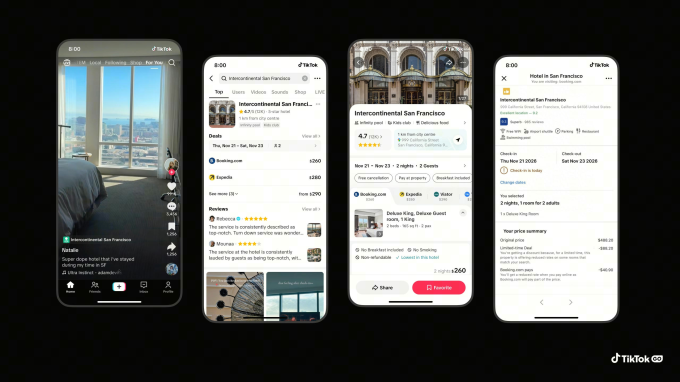
The Strategic Pivot Toward In-App Travel Transactions
TikTok’s rollout of TikTok GO marks a definitive transition for the platform, evolving from a viral discovery engine into a comprehensive, closed-loop transaction ecosystem. By enabling users to research, select, and book hotels and attractions directly within the interface, TikTok is effectively shrinking the consumer funnel. This move targets the inspiration-to-conversion lag that has historically plagued travel marketing on social media platforms, where users typically migrated to external booking engines after viewing curated content.
Vertical Integration and the Creator Economy
The architecture of TikTok GO relies on a symbiotic relationship between content and commerce. By allowing creators to embed booking links directly into their travel-focused video assets, TikTok is professionalizing the travel influencer space. This creates a dual-incentive structure: creators earn commissions through performance-based campaigns, while the platform secures a greater share of the user’s wallet.
This model mirrors the trajectory of TikTok Shop, which successfully normalized the shopping experience within the app. By integrating familiar transactional elements into content discovery, TikTok is betting that the convenience of an all-in-one experience will significantly boost conversion rates for travel merchants, effectively positioning the app as a primary destination for trip planning.
Disrupting the Search and Discovery Hegemony
The launch of TikTok GO is a direct challenge to Google’s dominance in the travel sector. For years, Google Search and Google Maps have been the default starting points for travel queries. However, younger demographics have increasingly prioritized visual, short-form video discovery over traditional SEO-heavy search results. By providing native booking functionality, TikTok is essentially weaponizing its search capabilities against incumbents, offering a more immersive, video-led alternative to static search listings.
This places the platform in a complex, tripartite relationship with its partners—Booking.com, Expedia, Viator, GetYourGuide, Tiqets, and Trip.com. On one hand, these companies gain access to a massive, highly engaged audience that traditional search channels cannot reach as effectively. On the other hand, they are participating in the erosion of their own independent brand visibility. As TikTok moves to own the customer relationship, these travel giants risk becoming mere backend inventory providers, stripped of the direct data that drives their own customer loyalty programs.
The Competitive Outlook
The success of TikTok GO will hinge on the platform’s ability to balance the user experience with its aggressive monetization strategy. While the partnership model with major travel aggregators provides the necessary inventory scale to launch, the long-term industry shift will be defined by who controls the user data and the booking interaction.
If TikTok successfully captures the travel planning process, it will solidify its status as a foundational utility, not just a social pastime. This move forces competitors like Google and Meta to reassess their own social commerce strategies. For the travel industry, the message is clear: the path to the consumer is moving away from search engines and toward the curated, video-first environments where that consumer spends the majority of their time.