
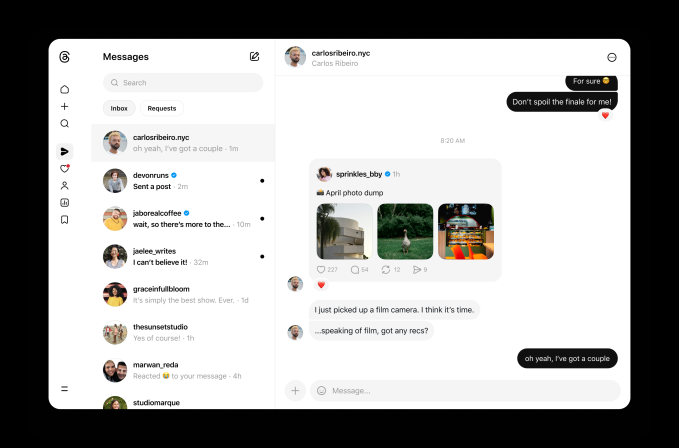
The Strategic Shift Toward Desktop Productivity
Meta’s decision to integrate direct messaging into the web interface of Threads is a definitive pivot toward professionalizing its platform. By transitioning from a mobile-first experimental space to a desktop-compatible environment, Meta is acknowledging a critical reality: power users—journalists, social media managers, and industry analysts—do not operate solely within vertical app experiences. They require browser-based continuity to manage workflows effectively.
Retaining this demographic is essential for the longevity of the platform. By closing the parity gap with incumbents like X and Bluesky, Meta is not simply adding a feature; it is ensuring that it remains a viable workspace utility. When users are forced to toggle between mobile devices and desktop workstations, friction increases, often leading to a drop in engagement. By tethering core messaging to the browser, Meta successfully embeds itself into the daily professional routine.
Optimizing the Long-Session User Experience
The shift toward desktop accessibility signals a broader change in product strategy. Early iterations of social platforms often rely on the dopamine feedback loop of intermittent, short-burst scrolling. However, desktop integration facilitates long-session engagement. This is a deliberate design choice meant to encourage users to keep a Threads tab open throughout the workday.
For Meta, this is a financial imperative. Increased time-on-site is a primary metric for ad-supported platforms. If Threads can capture the attention of professionals, it becomes a significantly more attractive environment for B2B advertising and sponsored content. Furthermore, by keeping private discourse within the platform’s ecosystem via native DM tools, Meta effectively prevents user migration to third-party services like Slack or WhatsApp, thereby maintaining a tighter grip on the behavioral data generated through these inter-professional interactions.
Scaling Real-Time Conversation Through Live Chat
Meta’s experimentation with high-concurrency Live Chat represents a sophisticated approach to managing digital noise. Testing this feature within high-velocity environments like NBA-centric communities indicates a desire to capture real-time cultural relevance without sacrificing user experience.
Traditional threaded comments often implode under the weight of high-volume engagement, creating a chaotic notification storm that alienates casual observers. By contrast, the Live Chat structure—which limits active participants while allowing passive consumption and polling—offloads the burden of high-concurrency traffic. This architecture allows for a more polished spectator experience. It suggests that Meta is learning from the structural failures of older platforms where massive, simultaneous streams of commentary became unreadable or toxic.
The Industry Pivot Toward Hybrid Communication
The trajectory of Threads mirrors a wider industry trend: the death of the monolithic app. Modern digital users increasingly demand platforms that seamlessly blend public broadcasting—the core of the square—with intimate, private collaboration.
Meta’s strategy is essentially one of orchestration. By integrating web-based messaging and event-specific social features into their existing massive social graph, they are positioning Threads as a modular suite rather than a stagnant feed. However, the true test will be the platform’s ability to protect the sanctity of direct messaging. If algorithmic noise or spam infiltrates the private inbox, the competitive advantage gained by bridging the device gap will diminish. Meta must now balance the aggressive push for engagement with the necessary privacy, nuance, and order that professional users require to trust the platform as a primary communication hub.