
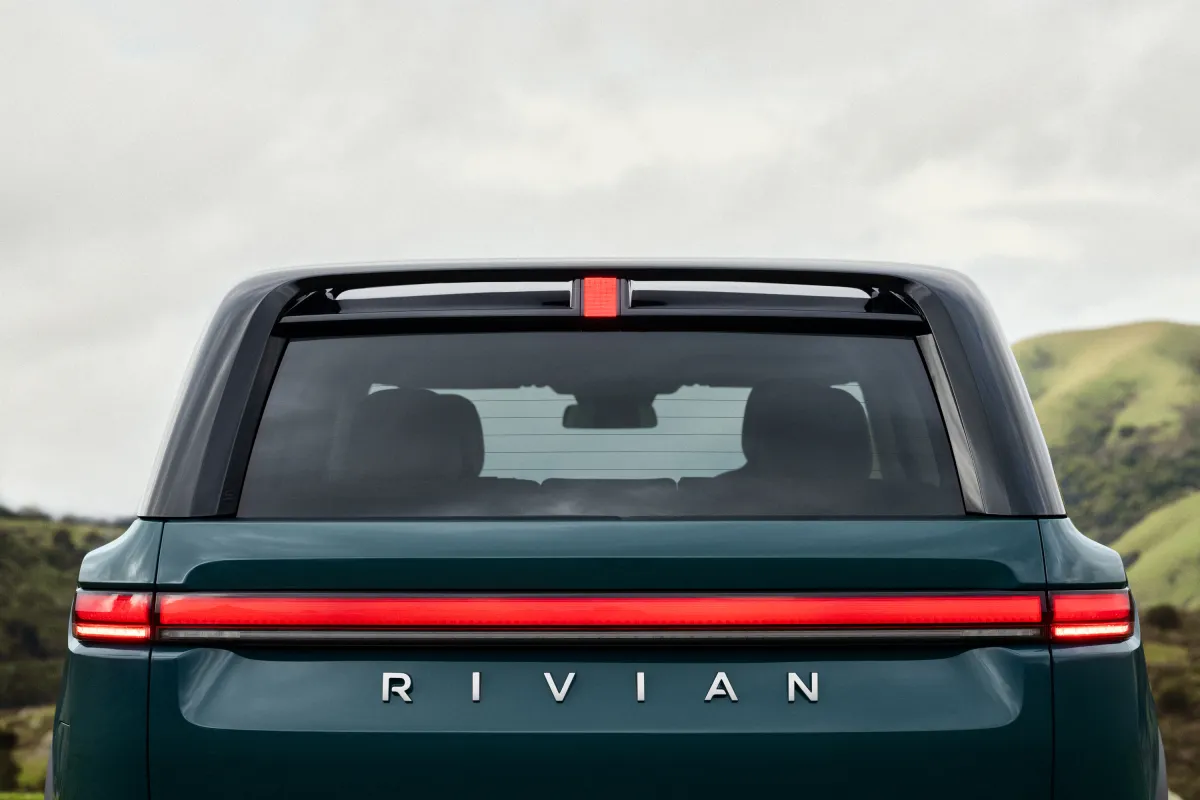
Rivian’s R2 Launch: A Pivot Point for Scaling Mass-Market Adoption
The electric vehicle sector is watching closely as Rivian prepares for its most critical milestone to date: the commercial release of the R2 SUV on June 9. By transitioning from the premium, high-margin R1 platform to a volume-driven model, Rivian is moving away from its origins as a luxury adventure brand and attempting to capture the lucrative middle-market segment that has historically been dominated by Tesla’s Model Y.
Strategic Pricing and the Long-Term Cost Roadmap
Rivian’s pricing strategy for the R2 indicates a tiered approach designed to bridge the gap between niche enthusiast appeal and broad-market accessibility. While early adopters will pay a premium near the $60,000 threshold, the company has clearly mapped out a trajectory toward aggressive affordability.
The promise of a $48,490 standard trim in 2027, followed by a $45,000 entry-level model, suggests that Rivian is banking on significant manufacturing efficiencies and battery cost reductions over the next 36 months. This staggered rollout allows the company to secure capital from early-adopter margins while simultaneously building the production infrastructure necessary to normalize these lower price points.
Operational Challenges and Production Velocity
For CEO RJ Scaringe, the R2 is not merely a new vehicle; it is the fundamental engine for the company’s path to profitability. The firm has set an ambitious internal target of delivering 25,000 units before 2024 concludes. Such a rapid ramp-up in production capacity is notoriously difficult, as seen by the historical struggles of other EV startups navigating the transition from prototype to high-volume assembly lines.
Success in this venture hinges on Rivian’s ability to streamline its supply chain and optimize production cycles at its manufacturing facilities. If the company achieves these delivery benchmarks, it will signal to shareholders that Rivian has evolved from a developmental startup into a sustainable, large-scale automotive manufacturer.
The Competitive Landscape and Market Implications
The R2 and its upcoming hatchback stablemate, the R3, represent a defensive and offensive play. As legacy automakers struggle to navigate the transition to electrified fleets, and as existing EV leaders face stagnating demand, Rivian is positioning its brand identity as the preferred alternative for consumers who prioritize utility and design over existing market incumbents.
By targeting a price point below $50,000, Rivian is entering the most crowded segment of the EV market. The success of this launch will likely determine the company’s financial health for the remainder of the decade. Investors are looking for more than just a well-reviewed vehicle; they are looking for volume-backed evidence that Rivian can compete at a scale that finally balances the books after years of significant capital expenditure.