
Regulatory Scrutiny Intensifies Over Rivian Suspension Integrity
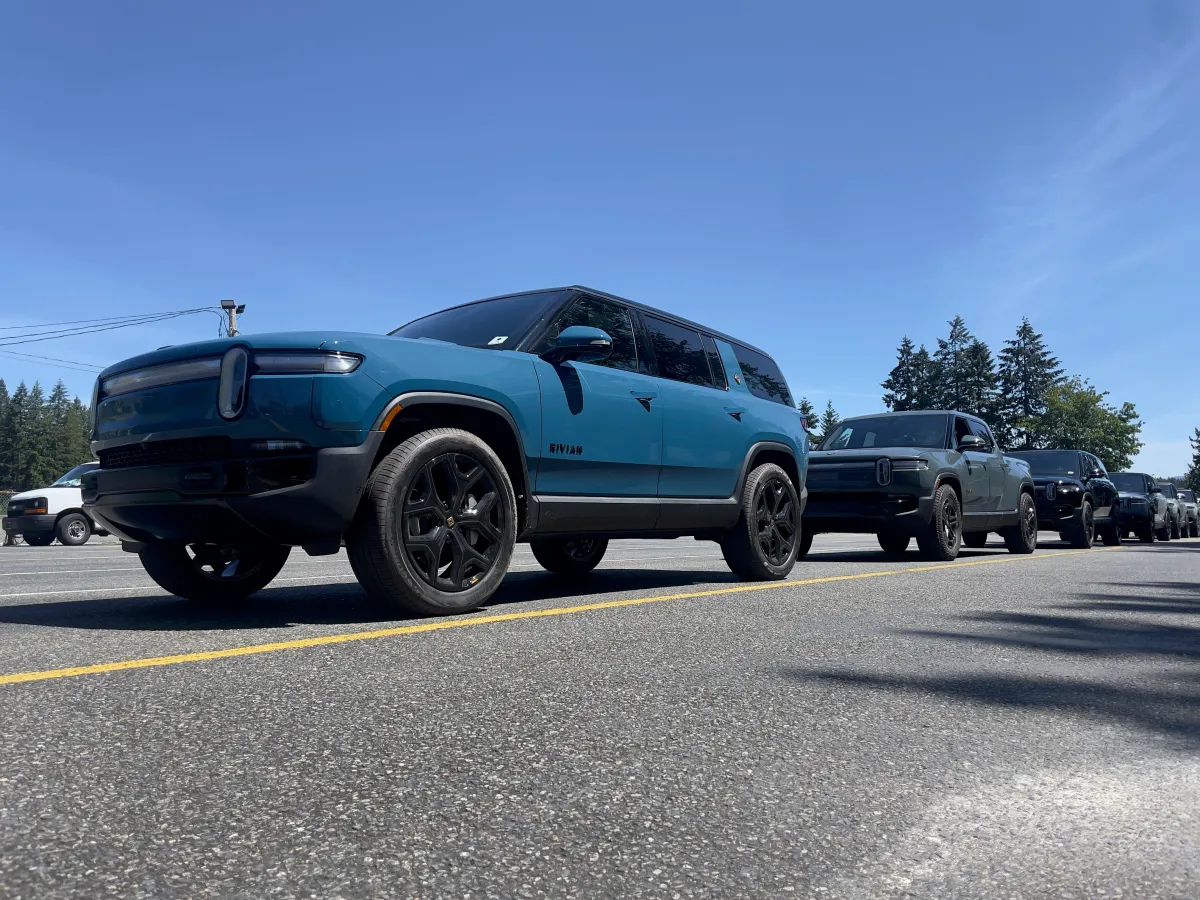
The National Highway Traffic Safety Administration (NHTSA) has launched a formal investigation into the rear suspension systems of Rivian’s flagship R1 platform. This probe, initiated by the Office of Defects Investigation (ODI), focuses on the rear toe link—a vital component responsible for maintaining wheel alignment and vehicle stability. The inquiry targets approximately 115,000 vehicles from the 2023–2024 model years, marking a significant challenge for the EV startup as it attempts to scale its operations.
The core of the investigation lies in the mechanical vulnerability of the toe link, which has demonstrated a susceptibility to failure following service interventions or exposure to rigorous road conditions. Reports from owners describe terrifying, high-speed loss-of-control events. In one documented incident, a driver reported a head-on collision with a guardrail after the bolt fractured. Another account details an R1S swerving uncontrollably across bike paths and sidewalks, leaving the driver suffering from physical injuries and triggering automated emergency services.
The Intersection of Repair Procedures and Hardware Sensitivity
Technically, the concern revolves around the sensitivity to service procedures identified by Rivian as early as March 2025. The ODI investigation aims to dissect why this specific component exhibits such fragility under foreseeable maintenance scenarios. It is rare for a vehicle’s ride-and-handling geometry to be so dependent on the precision of a service appointment, suggesting that either the design tolerances are overly aggressive or the diagnostic manuals used by technicians require substantial revisions.
Rivian has already taken preliminary steps, including an update to its service protocols and a January 2026 recall affecting nearly 20,000 units that underwent maintenance prior to these process improvements. However, the federal probe suggests these measures may be insufficient. By examining the structural integrity of the affected parts across a broad fleet, the NHTSA is signaling that its interest extends beyond isolated mechanical failures and into the systemic quality control processes currently governing Rivian’s service network.
Implications for the R2 Expansion Strategy
This regulatory setback arrives at a precarious time for Rivian. The company is currently on the precipice of delivering its R2 SUV, a higher-volume vehicle intended to transition the brand from a boutique luxury manufacturer to a mass-market player. The R2’s market perception depends heavily on the brand’s reputation for safety and reliability, qualities currently being called into question by the ongoing suspension investigation.
Rivian’s aggressive infrastructure roadmap—which includes plans for over 150 service centers by late 2027 and an expanded mobile service fleet—is designed to mitigate the inherent logistical hurdles of owning an EV. While the company claims the R2 utilizes a simplified manufacturing and service architecture ostensibly designed to minimize mechanical failure points, the current investigation raises legitimate questions regarding whether the complexity reduction narrative is enough to satisfy federal safety standards.
If the NHTSA determines that the toe link issue is a fundamental design flaw rather than a service-related error, Rivian could face an expanded recall that threatens to derail its transition to the high-volume R2 market. For investors and consumers alike, the outcome of this probe will serve as a bellwether for whether the company can maintain the engineering rigor necessary for true mass-market adoption.