
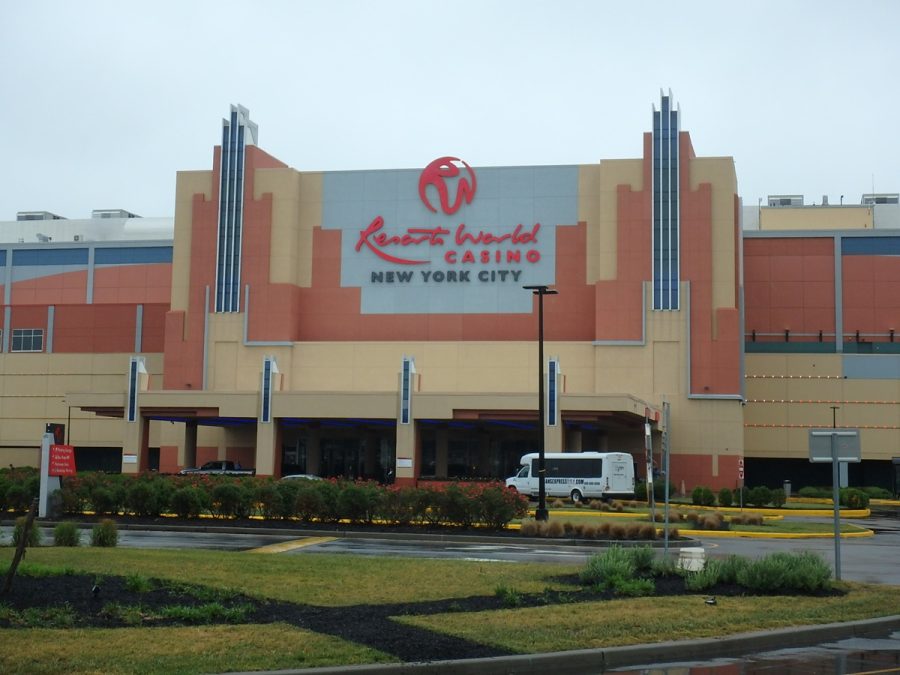
The Evolution of New York City’s Gaming Ecosystem
The gaming landscape in New York City has undergone a seismic shift as Resorts World New York City (RWNYC) transitions from a video lottery terminal (VLT) facility into the city’s inaugural full-scale casino. Located adjacent to the Aqueduct Racetrack, this transformation ends the long-standing geographic necessity for New York City residents to travel to upstate New York, New Jersey, or Pennsylvania to access traditional table games.
By introducing over 200 live-dealer stations—encompassing blackjack, craps, roulette, and baccarat—the facility is effectively capturing a massive, latent market. For the industry, this represents a pivot from racino operations toward a destination-resort model, signaling that New York state is moving aggressively to reclaim tax revenue that has historically leaked across state lines.
Strategic Advantages and First-Mover Status
Resorts World’s ability to secure and operationalize its license ahead of its primary competitors provides an unparalleled advantage in the downstate region. While significant gaming investments are planned for Queens near Citi Field and throughout the Bronx, these projects remain years from completion due to protracted regulatory and community approval processes.
Genting Americas East currently holds an exclusive market monopoly within the five boroughs. This window of exclusivity allows the operator to build brand loyalty and refine operational workflows long before direct competition arrives. By establishing itself as the primary entertainment hub for city-based gamblers, Resorts World is preemptively raising the barrier to entry for incoming rivals.
Genting’s $5.5 Billion Vision for Urban Tourism
Beyond the current gaming floor, the long-term roadmap for the site is centered on institutionalizing gaming as a core component of the broader New York tourism economy. Genting Americas East has committed to a $5.5 billion capital expenditure program designed to transform the property into a comprehensive, multi-use resort.
The proposed expansion includes:
- A high-end hotel integrated into the resort footprint.
- A 7,000-seat entertainment arena intended to host major marquee events.
- Diverse dining corridors designed to appeal to international travelers.
- Over 12 acres of public-access green space to address local community mitigation efforts.
This strategy shifts the facility’s value proposition from a destination for local players to an anchor for regional tourism. By integrating gaming with hospitality, live events, and commercial retail, the operator is positioning itself as a vital economic driver for the borough, aligning with state government mandates to prioritize job creation and sustainable tax revenue.
The Macroeconomic Implications of Regional Expansion
The rapid deployment of these floor games reflects a broader policy shift in Albany. Following the approval of three downstate licenses in late 2025, the state signaled a transition toward a more aggressive fiscal policy regarding legalized gaming. The goal is clear: utilize the density of the NYC population to generate significant, ongoing tax streams that can offset state budget pressures.
However, the industry must now contend with the complex integration of casinos into dense, urban environments. The success of the Resorts World expansion will likely serve as the litmus test for the remaining two licensees. As the market matures, investors will be looking at how effectively these operators navigate the friction between neighborhood development, labor union interests, and the volatile nature of consumer discretionary spending.
For the time being, Resorts World stands as the lone beneficiary of this changing policy, setting a standard for integration that other urban casino projects will be forced to compete against in the coming decade.