
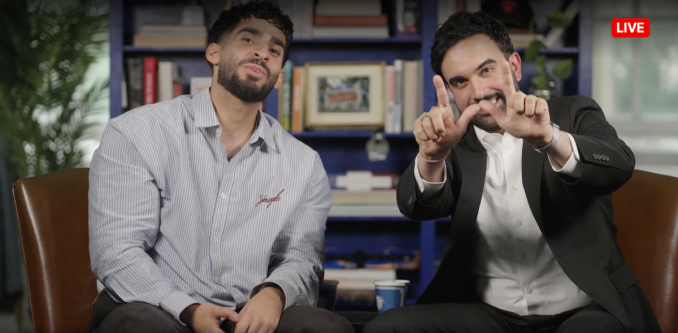
The Digital Fireside Chat: Evolution of Political Communication
Mayor Zohran Mamdani’s decision to launch a recurring Twitch series, Talk with the People, marks a significant shift in the mechanics of constituent engagement. By utilizing a real-time, interactive broadcast model, Mamdani is modernizing the concept of the fireside chat, effectively replacing Franklin D. Roosevelt’s radio broadcasts with the fragmented, high-speed ecosystem of live streaming.
The strategy is clear: bypass the traditional media gatekeepers that have historically mediated the relationship between elected officials and the public. By establishing a direct, unfiltered line of communication, Mamdani is treating his executive office as a brand platform, one that operates on the logic of current internet culture rather than that of institutional governance.
Twitch as the New Political Town Square
While Twitch originated as a niche site for gaming, it has gradually transformed into a venue for long-form, unscripted discourse. The platform’s unique appeal lies in its chat functionality, which forces politicians to contend with the immediate, often unpredictable reactions of their base.
Mamdani’s collaborative segment with influencer Moose—who provided a roadmap for navigating chat etiquette—signals a deeper understanding that political credibility on these platforms cannot be forced. To succeed in this space, an official must adopt the vernacular and cadence of native internet creators. This integration of influencer culture into mayoral outreach suggests that the divide between political messaging and content creation is effectively dissolving.
Strategic Implications for Urban Policy
The content of Mamdani’s inaugural stream highlighted the tension inherent in this format: balancing casual personality-driven engagement with dense legislative agendas. During the broadcast, Mamdani bridged the gap between lighthearted cultural debates—such as ranking local taco spots—and substantive policy proposals, including fiscal reforms targeting the wealthy and ambitious transit optimizations.
For the industry, this represents a pivot in how policy is sold to the public. Instead of relying on dry press releases, Mamdani uses the vibe of the livestream to normalize complex urban planning. By positioning transit infrastructure improvements alongside relatable community anecdotes, he creates a psychological association between his personality and his policy successes, a tactic that is increasingly essential in an attention-starved digital market.
The Chronically Online Advantage
Mamdani’s rise to the mayoralty is inseparable from his digital fluency. Before entering City Hall, he established a blueprint for effective political communication as a State Assembly member, where he translated intricate housing and affordability policies into concise, viral-friendly video formats.
With a combined reach exceeding 15 million followers, Mamdani is not merely using social media as an augmentation to his platform; he is building his governance on top of it. This creates a powerful feedback loop. By meeting voters where they already spend their time—on TikTok, X, and now Twitch—he captures segments of the electorate that have been historically disenchanted by traditional political outlets.
The Legacy of Direct Democracy in a Post-TV Era
The long-term implication of this move is a fundamental change in the expectations of accountability. As voters grow accustomed to asking their mayor questions in a live chat window, the patience for scheduled, managed press conferences will likely continue to wane.
If successful, Mamdani’s Talk with the People will become the new industry standard for local and regional politicians. While the debate regarding whether high-energy, personality-driven streams are the optimal environment for nuanced policy discussion will continue, the data is undeniable: the path to political relevance in the 2020s runs directly through the infrastructure of live streaming, not the newsroom.