
Closing the Feedback Loop: Why Coding Agents Need Production-Grade Validation
The rapid adoption of AI coding agents—such as Anthropic’s Claude Code and OpenAI’s Cursor—has fundamentally shifted the software development lifecycle from manual authoring to iterative, model-driven generation. While these agents excel at churning out syntactically correct code, they face a recurring blind spot: the complexity of modern distributed systems.
Most agents operate in isolation. They treat microservices as standalone units, frequently ignoring the intricate webs of message queues, caches, and downstream dependencies that define modern cloud-native architectures. When an agent crafts a change, it lacks the context to understand how that code will behave in a live environment, often failing to detect side effects that only emerge during high-concurrency interaction. Consequently, the burden of validation has defaulted back to the human developer, who must act as the ultimate quality gate, manually reconciling agent-generated changes with production reality.
The Failure of Legacy Testing Paradigms
Signadot Inc.’s introduction of /signadot-validate represents a pivotal shift in how we approach autonomous software engineering. Traditionally, teams have relied on three flawed models for testing in cloud-native environments:
- Isolated Local Containers: Relying on Docker Compose to mimic production is an exercise in futility. The drift between local configurations and production environments is inevitable, leading to works on my machine syndromes that frustrate even the most advanced agents.
- Staging Environment Bloat: Spinning up duplicate environments for every agentic iteration is financially unsustainable. Cloud bills accelerate rapidly when every AI prompt triggers an entirely new infrastructure footprint.
- Shared Staging Chaos: Forcing agents to push changes into a single, shared staging environment creates rampant contention. If multiple agents modify code in parallel, test results become unreliable, erratic, and deeply flaky.
Infrastructure as an Agentic Tool
The /signadot-validate skill bridges this gap by integrating coding agents directly into the cloud-native control plane. By utilizing the Model Context Protocol (MCP), Signadot allows agents to dynamically discover cluster topologies and service dependencies.
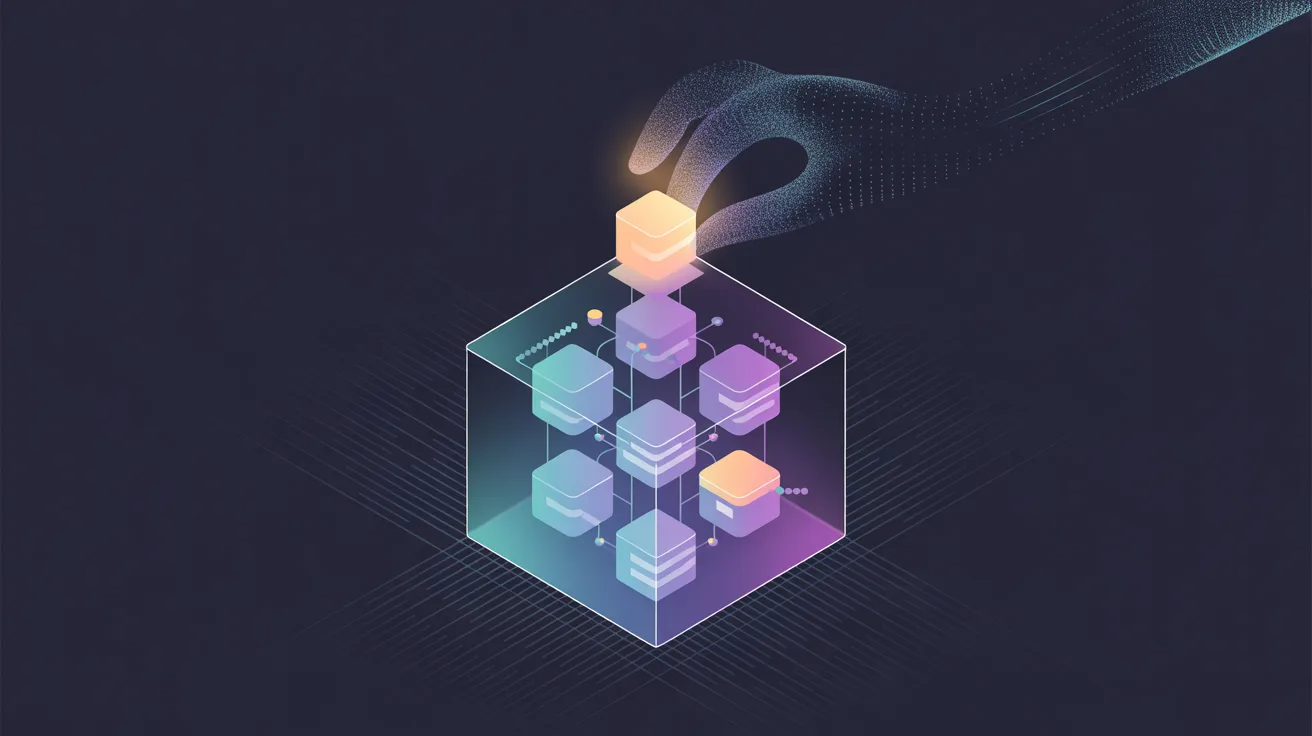
Instead of duplicating the entire environment, the system creates a Signadot Sandbox. This lightweight abstraction isolates the specific modified service while maintaining persistent, live connections to the baseline cluster’s real-world dependencies—be it Postgres, Kafka, or Redis.
The mechanism relies on unique routing keys, which ensure that test traffic is intelligently steered toward the agent’s modified service while leaving the baseline ecosystem undisturbed. This architecture effectively provides agents with a sandbox that is indistinguishable from production, allowing them to ingest real-time logs, identify failures, and correct them autonomously without requiring a developer to intervene with a manual rebuild or deployment.
The Long-term Implications for Engineering Velocity
Moving forward, the success of AI in the enterprise will be measured by the agent loop—how quickly an agent can move from code generation to verified production readiness without human oversight. By embedding validation natively into the agent’s workflow, Signadot is pushing the industry toward a state of self-healing infrastructure.
This approach changes the developer’s role from code-writer to architect and reviewer. If agents can successfully execute end-to-end testing, browser automation, and integration suites against production-like dependencies, the bottleneck shifts from finding bugs to defining the parameters of success. As coding agents become increasingly autonomous, tools that provide them with clear, high-fidelity environmental context will likely become the most critical infrastructure investments for engineering teams looking to scale.
By formalizing the handoff between AI agents and real-world test data, Signadot is addressing a critical structural weakness in the current LLM-driven development landscape, potentially setting the standard for how heterogeneous microservices architectures will be maintained in an automated, post-developer-authored era.