
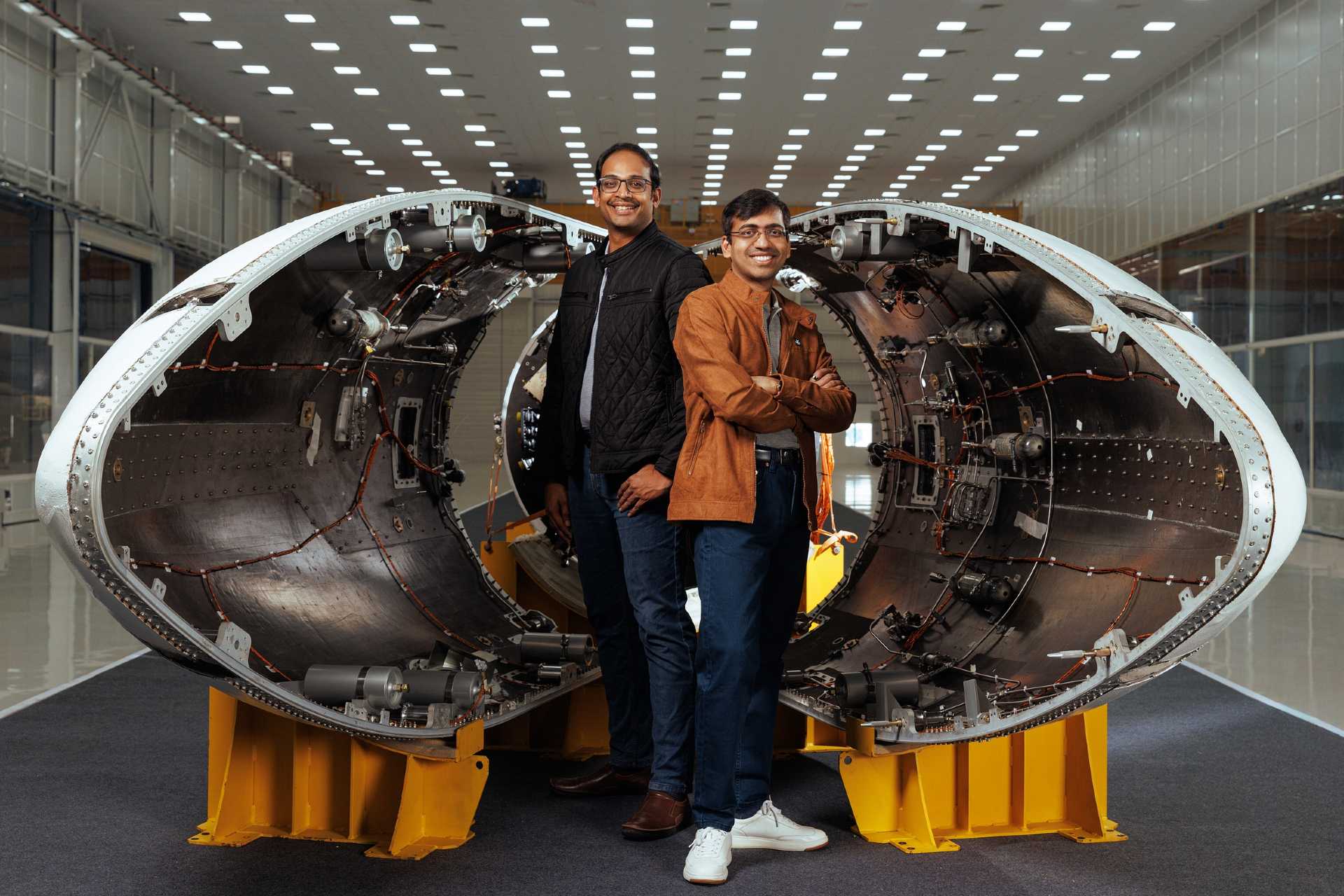
Skyroot Aerospace Hits Unicorn Status: A Pivotal Moment for India’s Private Space Ambitions
Skyroot Aerospace has officially crossed the $1 billion valuation threshold, becoming India’s first space-tech unicorn. The Hyderabad-based startup secured $60 million in fresh capital, a milestone that underscores the deepening confidence of global venture capital in the South Asian private space sector. This funding comes at a critical juncture as the company moves toward the maiden orbital attempt of its flagship Vikram-1 launch vehicle.
For the Indian aerospace ecosystem, this move signals more than just a successful funding round; it represents a maturation of the nation’s commercial space infrastructure. By transitioning from theoretical designs to imminent orbital mission readiness, Skyroot is attempting to validate the viability of the made in India model for global small-satellite deployment.
Strategic Capital Allocation and the Vikram-1 Roadmap
The $60 million injection is earmarked for scaling manufacturing throughput and accelerating terminal launch operations at the Satish Dhawan Space Centre in Sriharikota. The Vikram-1 rocket, capable of delivering 350-kilogram payloads to low Earth orbit (LEO), is a direct challenger to international incumbents like Rocket Lab and Firefly Aerospace.
Beyond internal growth, the capital supports the long-term R&D of the Vikram-2 vehicle. Expected to arrive by 2027, this heavier-lift rocket will rely on cryogenic propulsion, effectively elevating Skyroot’s target addressable market from basic small-sat constellations to more complex, high-value orbital missions. This phased development strategy is essential to maintaining competitiveness against increasingly crowded international launch provider landscapes.
Macroeconomic Shifts and the ISRO-Private Synergy
Skyroot’s valuation leap—doubling its position from previous rounds—reflects a broader strategic shift within the Indian economy. Government reforms initiated in 2020, which dismantled state-run monoliths’ total control over space operations, have facilitated a symbiotic relationship between the Indian Space Research Organization (ISRO) and private players.
While ISRO remains the primary driver of national space policy, the agency’s recent history of launch setbacks has highlighted a capacity gap. Skyroot and fellow startups provide a necessary pressure release valve for the domestic space sector. By leveraging the cost-efficiencies of Indian engineering talent and localized procurement, Skyroot is positioning itself to capture a significant share of the projected $44 billion Indian space economy by 2033.
Industry Implications and Global Competitiveness
The infusion of capital from sophisticated backers, including Ram Shriram of Sherpalo Ventures, brings more than just liquidity to Skyroot; it brings international corporate governance and strategic operational experience to the startup’s board.
The company’s market demand profile—split roughly one-third domestic and two-thirds international—suggests that India is successfully rebranding itself as a global launch hub rather than merely a domestic provider. As small satellite constellations continue to grow for telecommunications, Earth observation, and defense, the ability of private entities like Skyroot to offer reliable, cost-effective cadence will be the deciding factor in their long-term survival.
Ultimately, Skyroot’s emergence as a unicorn validates the liberalization of the Indian space industry. As the company preps for its June launch window, all eyes will be on whether they can achieve orbital insertion—a feat that would solidify India’s reputation as a top-tier destination for privatized space-tech investment and reliable launch services.