
The Shift from Reactive Search to Proactive Agentic Intelligence
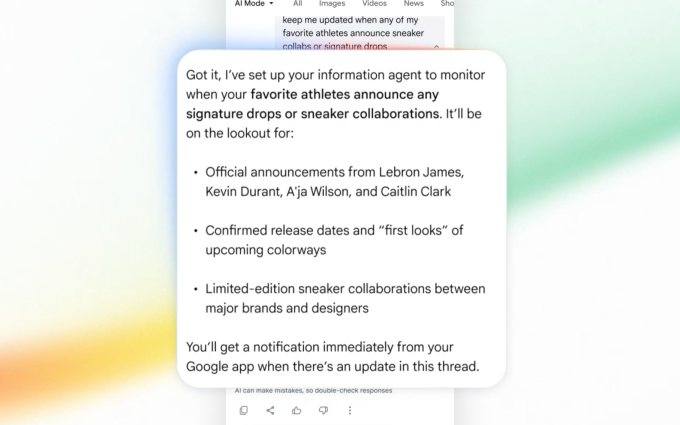
Google’s I/O 2026 keynote marked a definitive turning point in the company’s history, signaling the end of the traditional search and retrieve model. By introducing persistent information agents, Google is effectively pivoting from a passive repository of information to an active digital assistant ecosystem. This structural change suggests that the future of search is not a destination users visit for a single answer, but a continuous background service that anticipates needs before they are explicitly requested.
These new agentic capabilities—scheduled for a U.S. rollout to AI Pro and Ultra subscribers this summer—represent the functional maturation of Google Alerts. While legacy alerts were fragile, keyword-dependent, and prone to noise, these sophisticated agents leverage advanced reasoning to synthesize multi-source data. The industrial implication here is profound: Google is positioning itself to own the continuous awareness layer of the internet, effectively mediating the relationship between users and the deluge of daily digital information.
Functional Utility: Beyond the Query
The shift towards background-operated agents means users no longer need to perform repetitive manual checks for high-frequency updates, such as market volatility, travel logistics, or career prospects. A user tracking a stock portfolio or monitoring housing inventory now has a delegate that performs cognitive labor on their behalf.
Rather than presenting a static list of blue links, these agents perform qualitative analysis. They explain the why behind a data point, compare conflicting viewpoints from varied news outlets, and proactively flag actionable developments. This fundamentally changes the user experience from a search session to a managed conversation. By allowing users to define parameters within AI Mode, Google is decentralizing the complexity of information curation, empowering individual users to maintain a persistent, personalized watch on complex topics.
The Intelligent Search Box and the Death of the Keyword
Perhaps the most disruptive announcement is the fundamental redesign of the search interface. Termed by the company as its most significant architectural shift in a quarter-century, the new intelligent search box is specifically engineered to handle complex, multi-part, and conversational queries.
This move is a direct response to the rise of specialized LLM-based interfaces like ChatGPT and Claude, which have successfully trained users to interact with software through natural language rather than keyword strings. By integrating an AI-powered query suggestion system that anticipates context before the user finishes typing, Google is attempting to lower the friction of discovery. The objective is clear: keep technical power-users from migrating to standalone AI platforms by making the core Search product as context-aware and nuanced as a dedicated chatbot.
Strategic Implications for the Web Economy
The transition to agentic search raises critical questions regarding the sustainability of the open web. If users rely on Google’s agents to synthesize, prioritize, and interpret information, the traffic-driving power of search engines may diminish. When an agent provides a comprehensive summary of an earnings report, a flight price trend, or a news breaking event, the incentive to click through to an original publisher’s website is significantly reduced.
As Google shifts toward this answer-first model, the industry will have to grapple with a new equilibrium. While this redesign offers unparalleled convenience for the end user and positions Google to command higher loyalty in an increasingly competitive AI market, it also tightens Google’s control over information flow. Publishers, developers, and content creators will now face the challenge of optimizing not just for search ranking, but for agentic relevance—ensuring their content is structured in a way that AI agents can find, process, and cite.
As these tools move from internal testing to public deployment this summer, the tech industry will be watching closely to see if Google can balance this high-utility, agent-driven future while maintaining the health of the broader digital ecosystem.