
The Industrialization of Fraud: Untangling the Southeast Asian Scam Web
The investigative findings presented by the House Select Committee on China reveal a harrowing evolution in transnational crime. What began as localized illegal gambling operations in Southeast Asia has metastasized into a massive, industrialized fraud ecosystem. With Americans suffering upwards of $10 billion in losses during 2024 alone, these networks represent a sophisticated intersection of cybercrime, illicit finance, and human rights abuses that now challenges U.S. national security.
From Gambling Dens to Global Fraud Centers
The committee’s hearing, titled “Crime, Corruption, and Power,” underscores a significant shift in criminal tactics. As Chinese authorities tightened domestic restrictions on online wagering, organized crime syndicates migrated into Southeast Asian jurisdictions—specifically locales in Cambodia and Myanmar—where governance is weak and corruption remains endemic.
These criminal actors successfully repurposed the financial infrastructure originally intended for sports betting and casino-style gambling. By pivoting toward romance scams, fake investment schemes, and high-stakes cryptocurrency fraud, these syndicates established a scalable, replicable business model. The transition highlights the adaptability of modern criminal enterprises, which utilize the same digital payment rails for gambling that they now exploit to drain the savings of unsuspecting American victims.
The Infrastructure of Illicit Finance
Beyond the individual scammers, the committee emphasized the importance of the logistical backbone supporting these operations. The report details a complex web of underground payment systems and cryptocurrency laundering protocols designed to obscure the movement of stolen capital.
The disruption of a $15 billion crypto-gambling network by international authorities serves as a critical case study in how these syndicates operate. By integrating digital assets into their operations, these groups bypass traditional banking hurdles, moving vast sums of money across borders with relative anonymity. Experts like Harvard Asia’s J. Daniel Sims argue that the physical “scam compounds” are merely the visible tip of an iceberg; the true threat lies in the systemic political protection and the sophisticated financial enablers that allow these networks to thrive.
Geopolitical Implications and State Complicity
The investigation into the Lixin Group—and allegations of links between state-owned Chinese entities and the construction of these criminal compounds—adds a layer of geopolitical tension to the discourse. While the committee has stopped short of directly indicting the Chinese state for orchestrating these ventures, the implication is that Beijing’s lack of intervention is a form of enabling.
This environment fosters a climate where human trafficking flourishes. Thousands of individuals are routinely lured by deceptive job advertisements, only to find themselves ensnared in debt bondage and forced labor, acting as the front-line operators for these digital fraud schemes under threat of physical violence.
Legislative Path Forward
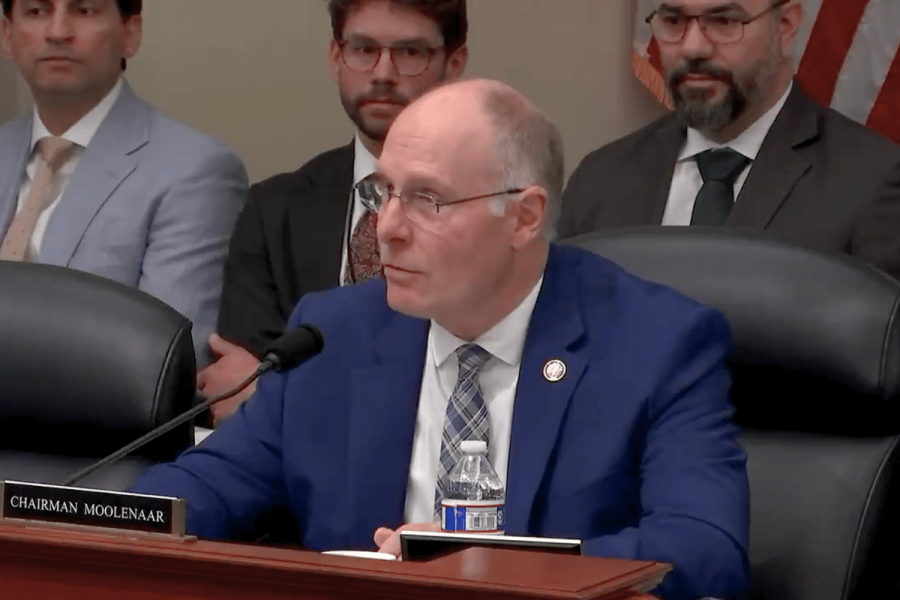
The scale of the threat has prompted calls for a fundamental legislative shift in Washington. Chairman John Moolenaar’s push for the Dismantle Foreign Scam Syndicates Act signifies a move to treat these operations not just as consumer fraud, but as an acute national security crisis.
For the industry and policymakers, the challenge is clear: these digital scam networks are dynamic and highly resistant to traditional law enforcement approaches. Combating them will require aggressive international cooperation, stricter oversight of offshore payment processors, and a robust strategy to stifle the financial channels that allow these criminal enterprises to operate with industrial efficiency. The era of dismissing these occurrences as localized regional issues is over; the integration of these networks into the global financial system now poses an immediate danger to domestic stability.