
The Escalating Instructure Crisis: A Systemic Failure in EdTech Security
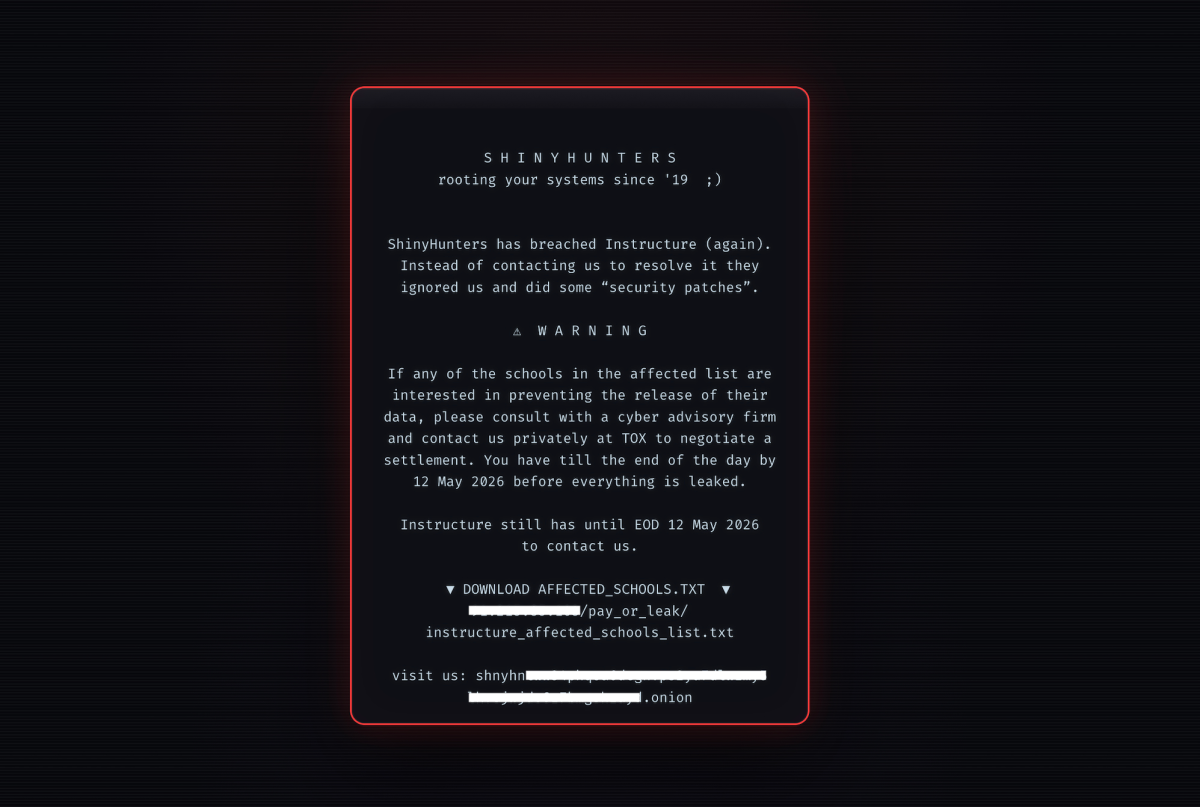
Instructure, the powerhouse behind the ubiquitous Canvas learning management system, is currently grappling with a cascading security failure that underscores the profound vulnerabilities within the education technology ecosystem. What began as a confirmed data breach involving the theft of personal identifiers and private correspondence between educators and pupils has now spiraled into a sophisticated extortion campaign targeting the very infrastructure of academic institutions.
By defacing school-specific login portals, the threat actors have moved beyond simple data exfiltration, effectively exerting control over the digital gateways that millions of students rely on daily. This tactical shift—transitioning from passive observation to active disruption of the user experience—signals a calculated bid to force Instructure into a negotiation.
The Anatomy of an EdTech Extortion Playbook
The cybercriminal syndicate behind this attack follows a predictable and increasingly prevalent methodology: breach, dump, and hold for ransom. By threatening to release an alleged cache of data encompassing 231 million individuals across 9,000 global institutions, the hackers are leveraging the sheer scale of the compromised database as their primary point of leverage.
The operational maturity of this group suggests they are not interested in the records themselves, but rather in the monetization of fear. The May 12 deadline serves as a psychological pressure point, forcing the organization to weigh the integrity of its infrastructure against the catastrophic public relations fallout of a massive data dump. For the victimized schools, the uncertainty is compounded by the too many requests errors and scheduled maintenance notices currently hampering access to the platform, creating an operational vacuum in the midst of the academic term.
Strategic Implications for the Higher Education Sector
This incident is a sobering reminder of the concentration risk inherent in centralized EdTech platforms. When an entity like Instructure suffers a compromise, the impact is not localized; it propagates across a vast, interconnected network of K-12 and university clients. This single point of failure highlights the heavy reliance of the global education sector on third-party SaaS providers that often function as the primary repository for sensitive demographic and academic records.
Industry analysts should view this breach as a catalyst for a necessary shift in how educational institutions approach SaaS procurement and risk assessment. The transition from legacy, on-premise systems to cloud-based management tools has provided immense administrative efficiency but has simultaneously expanded the attack surface of the entire education vertical. Moving forward, providers will face heightened scrutiny regarding their incident response capabilities and the implementation of zero-trust architecture to prevent lateral movement within their environments.
Ultimately, the Canvas incident forces a difficult conversation about the ethical and financial liabilities of tech giants in the education space. As the May 12 deadline approaches, the entire industry is watching to see how Instructure balances its defensive posture against the brazen demands of a threat actor that has effectively transformed one of the world’s largest digital classrooms into a high-stakes bargaining chip.