
The Evolution of Agency: Google Pivots Toward Transactional AI
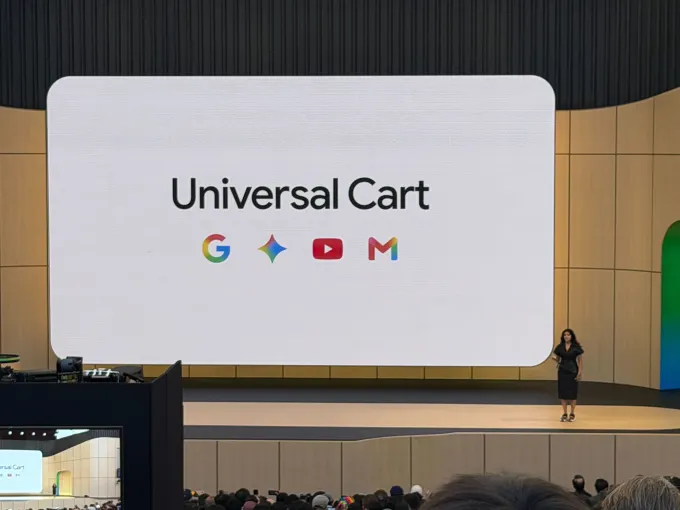
Google’s unveiling of Universal Cart and the Agent Payments Protocol (AP2) at Google I/O marks a fundamental transition in the company’s business model. For years, Google served as a passive discovery engine, directing traffic to merchants via Search. With these new tools, the company is positioning itself as a mediator in the final mile of commerce, signaling a shift where AI moves from recommending products to executing financial transactions.
By integrating Universal Cart into the broader Google ecosystem—including Gmail, YouTube, and the Gemini mobile experience—the company is attempting to capture the fragmented shopping journey. By consolidating disparate items from multiple retailers into a single, AI-curated interface, Google is effectively creating a walled-garden shopping environment that keeps users within its sphere of influence long after the discovery phase concludes.
Universal Cart: Beyond Simple Price Tracking
Universal Cart serves as more than a digital basket; it reflects Google’s ambition to leverage AI to solve complex consumer pain points. The integration of compatibility checks—such as flagging mismatched hardware for custom PC builders—illustrates how Google intends to provide value that goes beyond simple price comparison.
This move commoditizes the merchant relationship by shifting the value proposition to the interface. If the AI becomes the primary advisor on product selection, compatibility, and availability, the role of the individual e-commerce storefront diminishes. Merchants may find themselves increasingly reliant on Google’s infrastructure to reach consumers, potentially altering the power dynamic between big tech and retailers.
Agent Payments Protocol (AP2) and the Future of Autonomous Commerce
The introduction of the Agent Payments Protocol (AP2) is perhaps the most disruptive element of Google’s roadmap. By establishing a framework that allows AI agents to spend money on behalf of a user—with predefined guardrails and spending limits—Google is laying the groundwork for true autonomous shopping.
The implications for the fintech industry are significant. AP2 introduces a, secure, andauditable layer for machine-to-merchant payments. By embedding digital records and audit trails directly into the protocol, Google is addressing the trust deficit that typically prevents consumers from granting software agents financial autonomy. If successful, this creates a standardized currency of transactional intent that could make Google the primary gateway for digital payments, sidelining traditional point-of-sale systems and credit card gateways.
Strategic Consolidation and Industry Resistance
Google’s rollout of the Universal Commerce Protocol (UCP) across travel and food delivery sectors suggests that the company is aiming for high-frequency categories where convenience drives loyalty. The planned international expansion into Canada, Australia, and the U.K. reinforces the scale of this initiative.
However, this push invites heightened scrutiny. As Google gains direct visibility into the end-to-end purchasing habits of its users, industry regulators and competing retailers are likely to express concerns regarding anti-competitive behavior. The protocol forces merchants to choose: participate in Google’s ecosystem to access its vast user base, or risk being excluded from the next generation of AI-driven, intent-based commerce. As these agents become more sophisticated, the line between a neutral search provider and an active intermediary disappears, setting the stage for a friction-filled realignment of the digital marketplace.