
The Evolution of Venture Capital Branding
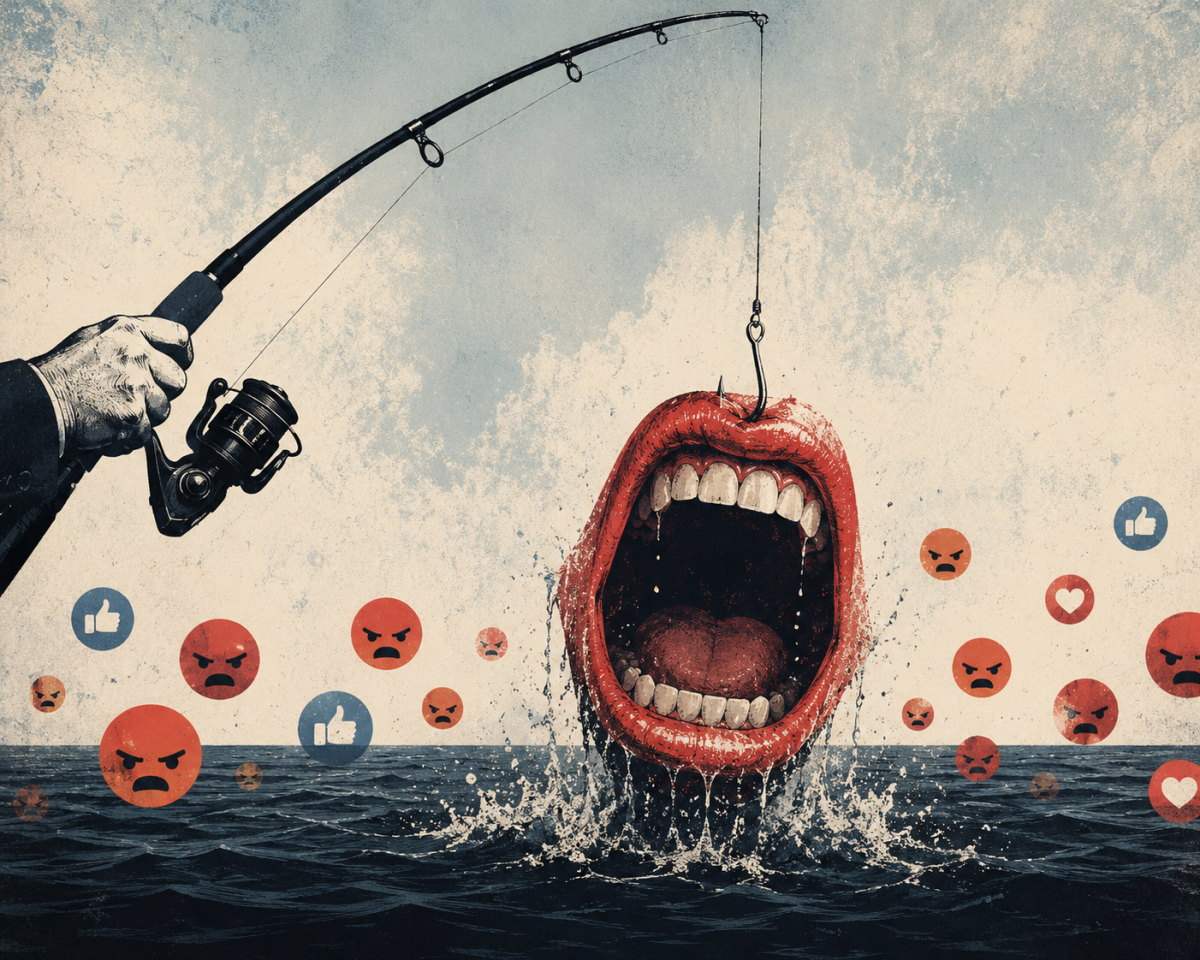
The recent promotional video released by General Catalyst (GC) signals a seismic shift in how top-tier venture firms communicate their brand identity. By pastiching Apple’s iconic Get a Mac advertising campaign, GC has moved beyond standard press releases and into the realm of influencer-style rage-bait.
In the video, a caricature of a stereotypical Silicon Valley investor—complete with vest and bald pate—is shown championing a trivial AI innovation: a robotic dog. The implicit target is Andreessen Horowitz (a16z), suggesting that the firm’s investment thesis is overly permissive, prioritizing hype over substantive utility or ethical responsibility.
The Hype Cycle Critique
At the core of this marketing maneuver is a narrative battle over the definition of responsibility in venture capital. GC’s creative choice to highlight a robotic AI dog as a proxy for questionable deals serves as a sharp critique of the spray and pray reputation that has, fairly or unfairly, trailed a16z across various controversial investments.
However, industry onlookers have been quick to point out the hypocrisy inherent in this framing. Firms like General Catalyst have previously backed ambitious, high-risk ventures—such as the defense-tech powerhouse Anduril and the prediction market platform Polymarket—which invite their own set of ethical and societal scrutiny.
By taking this public jab, GC is essentially attempting to position itself as the responsible adult in the room, contrasting its internal rigor against a perceived landscape of reckless funding. Yet, in the performative world of venture capital, the line between thoughtful investor and gatekeeper is often razor-thin.
The Social Media Feedback Loop
The immediate and aggressive response from Marc Andreessen himself highlights the effectiveness and the volatility of this strategy. By engaging with the parody, Andreessen inadvertently validated the campaign, turning a localized marketing effort into a trending industry skirmish.
The ensuing defensive posture adopted by a16z staffers arguably amplified the narrative that GC hoped to foster: that there is a deep-seated philosophical divide between these two power players regarding the stewardship of emerging technologies.
Implications: Why This Matters for Founders
For founders, this public infighting is more than just entertainment; it reveals how VCs are increasingly competing for mindshare branding rather than just capital efficiency. As the venture industry matures, firms are finding that performance data—which is often private or lagging—is less effective at capturing the attention of the next generation of founders than viral engagement.
By engaging in Kendrick vs. Drake-style beef, these firms are signaling that they operate in a world where narrative control has become a primary asset. However, the polarizing reactions to the video—ranging from amusement to claims of cringe—suggest that this strategy carries significant reputational risk. It remains to be seen whether this brand of confrontational marketing will attract top-tier mission-driven founders or simply cement the image of a venture industry increasingly disconnected from the reality of the products they fund.