
The Thermodynamic Legacy of Drew Baglino’s Latest Venture
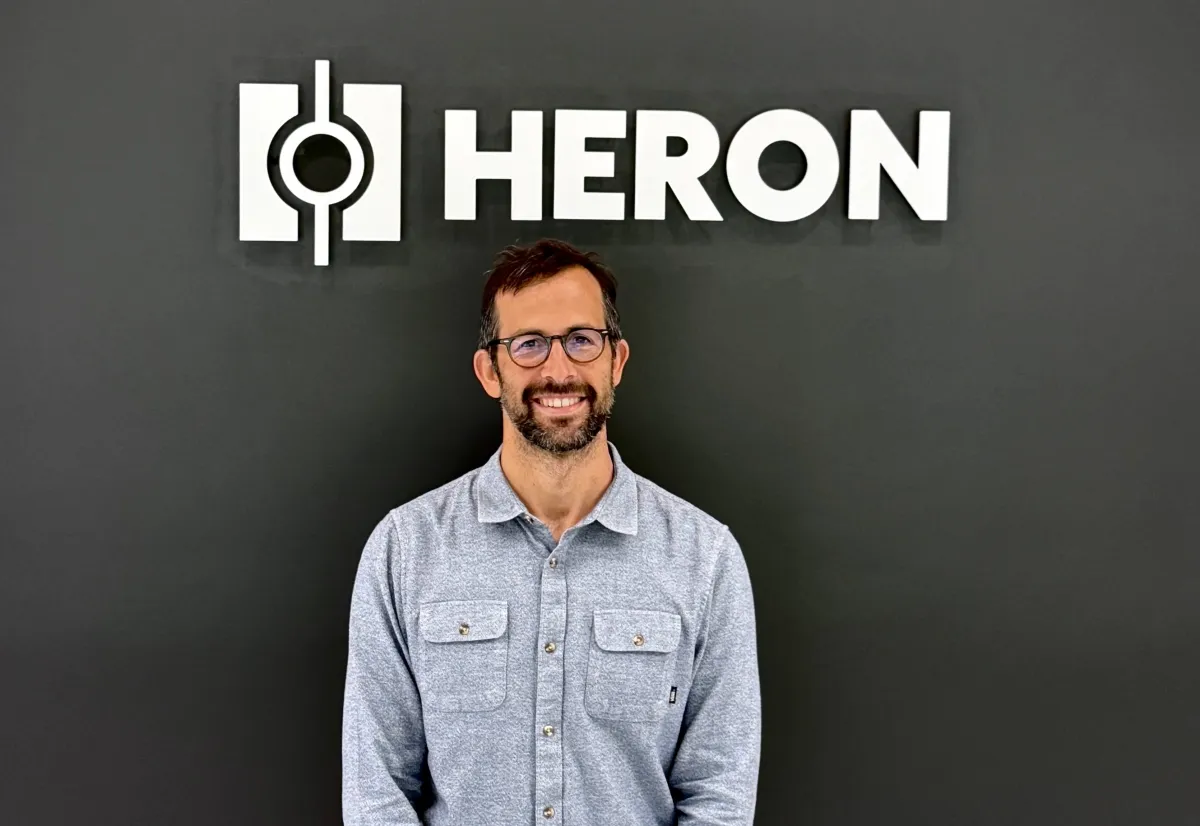
The emergence of Sadi Thermal Machines, a stealth startup established in Scotts Valley, California, in June 2025, signals a potential pivot in the residential energy market. By co-locating with Heron Power—another venture led by former Tesla executive Drew Baglino—the company is clearly positioning itself at the intersection of solid-state power systems and high-efficiency thermal regulation. The naming convention, a direct homage to Sadi Carnot, the father of modern thermodynamics, suggests that the startup is not merely an iterative hardware play, but an attempt to rethink fundamental heat-transfer efficiencies.
The Tesla Design Ethos Applied to Residential HVAC
Behind the formation of Sadi Thermal Machines lies a distinct engineering lineage. As a key architect of Tesla’s powertrain and energy storage initiatives, Baglino presided over the maturation of the company’s internal thermal management systems. His work on sophisticated coolant loops and multi-way valves—the bedrock of the Model Y’s octovalve system—demonstrated how aggressive thermal efficiency could be achieved in the most space-constrained environments imaginable: the electric vehicle.
By distilling the complexity of the octovalve into a stationary, climate-control application, Baglino is essentially leveraging the toughness of automotive engineering for the domestic sector. Industrial-grade heat pumps currently struggle with extreme seasonal variances; however, the technology refined during Baglino’s two-decade tenure at Tesla specifically optimized for rapid, variable-load heat exchange. This technical expertise provides Sadi with a significant barrier to entry, as the startup brings automotive-level performance standards to the relatively stagnant residential HVAC landscape.
Industrial Implications and Strategic Alignment
The industry relevance of this development should not be understated. During his tenure at Tesla, Baglino frequently addressed the environmental necessity of heat pumps, often noting that if the technology could be mastered for the chaotic duty cycles of a vehicle, it would be significantly more straightforward to perfect for the predictable and stable environment of a residential dwelling. Tesla itself flirted with the idea of entering the HVAC market in 2022, arguing that it aligned perfectly with their sustainable mission.
However, corporate friction and competing priorities shelved those plans indefinitely. Sadi Thermal Machines represents a move to decouple this mission from the specific roadmap of a legacy automaker. By operating independently, Baglino can focus on domestic electrification without the massive overhead or the specific vehicle-first constraints that once dictated the design of Tesla’s prototypes.
The Shift Toward Decentralized Thermal Control
Industry analysts view the move to start Sadi as a long-awaited realization of the Tesla-to-Home transition. The energy sector is currently experiencing a bottleneck where grid capacity is being challenged by electrification and heating demands. If Sadi can produce a heat pump that utilizes the optimized logic of the octovalve, the startup could introduce a new class of high-efficiency equipment capable of load-shifting in ways traditional HVAC units cannot.
With multiple Tesla alumni reportedly staffing the venture, Sadi is primed to disrupt the sector by applying high-volume, low-margin manufacturing principles to home efficiency. As climate policy incentivizes the transition away from fossil-fuel-based boilers and furnaces, the launch of Sadi Thermal Machines suggests that the next phase of the sustainable energy revolution will likely be fought in the basement and on the rooftop, driven by refined automotive engineering.