
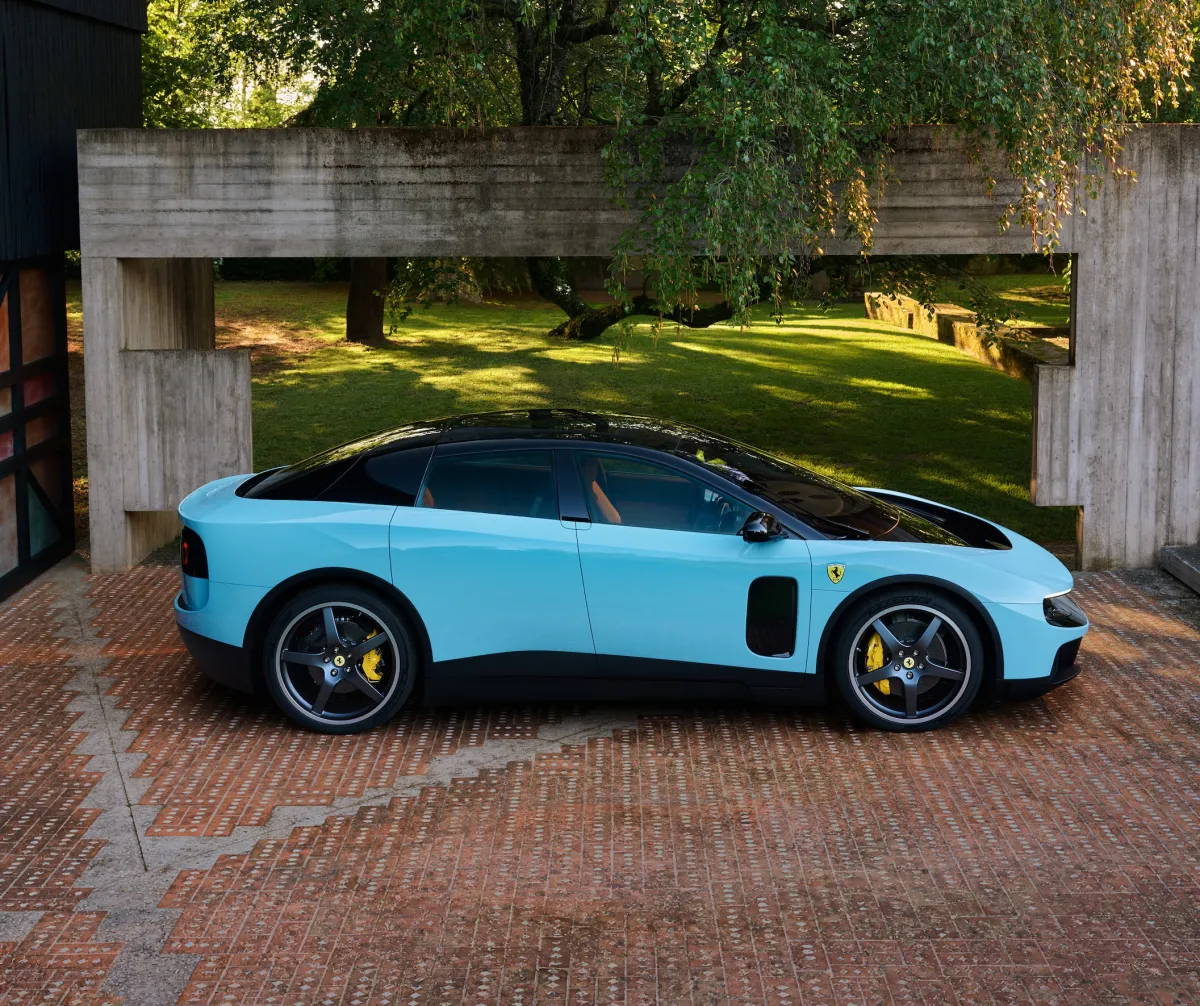
The Branding Paradox: Ferrari’s Electric Pivot
Ferrari’s foray into the battery-electric vehicle (BEV) space with the “Luce” has triggered a tectonic shift in industry sentiment. While the performance benchmarks—1,000 horsepower and a sub-two-second 0–60 mph dash—place it firmly in the hypercar stratosphere, the aesthetic reception has been overwhelmingly hostile. By enlisting Jony Ive and his LoveFrom design firm to craft a five-seater that abandons the aggressive, aerodynamic contours synonymous with Maranello’s internal combustion legacy, Ferrari has seemingly invited a crisis of identity.
The market reaction—a cooling of stock prices and near-universal criticism of the wedge silhouette—highlights the friction between heritage brand equity and the constraints of EV architecture.
The Compliance Fallacy vs. Strategic Evolution
The automotive sector is bracing for the European Union’s 2035 combustion engine phase-out, and on the surface, the Luce functions as a necessary regulatory hedge. Ferrari’s leadership, however, is positioning the vehicle as something far more intentional than a forced transition. Jony Ive’s archival comparisons to Patek Philippe’s struggle between mechanical tradition and quartz precision reveal a designer grappling with a fundamental existential threat: how to maintain luxury status when the heart of the machine—the engine—is rendered obsolete by legislation.
Yet, this is not merely a defensive play. Ferrari executives have explicitly stated they intend for the Luce to be “polarizing,” a deliberate deviation from the brand’s traditional design language. By actively targeting consumers who already own EVs rather than loyalist Prancing Horse collectors, Ferrari is attempting an aggressive demographic pivot.
Targeting the New Luxury Consumer
The most telling insight from Ferrari’s leadership is the admission that the Luce is designed to convert buyers who currently favor the high-tech, high-performance battery electric vehicles currently dominating the market—specifically in East Asia.
For years, Ferrari has seen its market share in China oscillate, despite the region’s massive appetite for premium EVs. The Luce appears to be a calculated effort to reclaim relevance in this sector. By adopting a design language that mirrors the aesthetic sensibilities currently driving the Chinese domestic auto industry, Ferrari is sacrificing its Italian racing heritage design cues to secure a foothold in the world’s most competitive EV market.
The Downstream Implications for Luxury Automotive
This strategy poses a high-stakes question: Does the prestige of the Ferrari badge carry enough weight to overcome the design skepticism of the global market, or is this an expensive miscalculation?
If the Luce succeeds, we are likely to see a permanent shift in how ultra-luxury brands approach electrification—moving away from retro-engineering and toward modular, tech-heavy, and potentially polarizing designs that prioritize efficiency and global market trend-matching. Ferrari is effectively betting that the status of the brand can transcend the physical silhouette of the machine. Whether a $650,000 price tag can bridge the gap between traditional enthusiasts and the modern, tech-native consumer remains the industry’s most expensive unanswered question.