
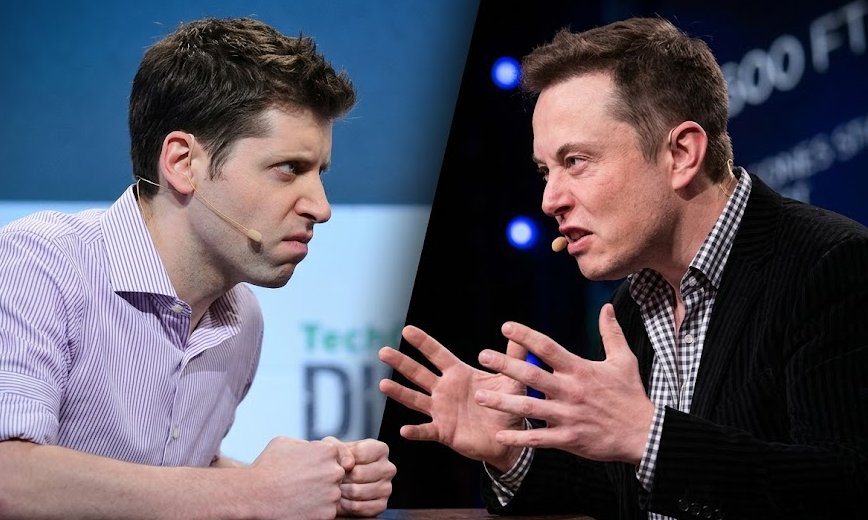
The Silicon Valley Schism: Musk vs. OpenAI Trial Signals a Reckoning for AI Ethics
The courtroom showdown currently unfolding between Elon Musk and OpenAI leadership marks a pivotal moment in the history of artificial intelligence. While the proceedings technically concern the breach of fiduciary duty and the potential abuse of nonprofit status, the implications reach far deeper. At its core, this trial is a high-stakes cultural audit of how Silicon Valley treats humanity-first initiatives once they encounter the gravitational pull of massive commercial capital.
The Foundational Dispute: Nonprofit Ethos vs. Market Reality
Elon Musk’s testimony centers on a straightforward argument: OpenAI originated as a charitable endeavor in 2015, designed to serve as a counterweight to the opaque, profit-driven research occurring at industry giants like Google. Musk contends that by pivoting to a for-profit structure and partnering with Microsoft, Sam Altman and Greg Brockman effectively stole a charity to build a multibillion-dollar machine.
From an industry perspective, this forces a necessary conversation about the scalability of nonprofit research. Can world-class, compute-intensive AI development survive without the influx of billions in venture capital? OpenAI’s defense lawyers argue that Musk is essentially a disgruntled former stakeholder whose desire to control the narrative—and the technology itself—was thwarted when his request for total control was rejected.
Collateral Consequences: The xAI Factor and Competitive Tactics
OpenAI’s legal defense rests heavily on the assertion that Musk’s lawsuit is not motivated by altruism, but by a competitive intent to sabotage a rival. By citing Musk’s own foray into AI with xAI Corp. and its flagship product, Grok, the defense highlights the inherent conflict of interest at play.
For industry watchers, this trial exposes the arms race mentality that currently plagues the AI sector. If industry titans are spending their time litigating the past rather than refining safety protocols, the broader objective of beneficial AI becomes increasingly secondary to brand dominance. The involvement of Satya Nadella as a potential witness underscores just how intertwined these nonprofit roots have become with the infrastructure of modern Big Tech.
The Legal Precedent: Governance in the Age of AI
The outcome of this case will likely turn on the strength of the original agreements signed in 2015. Judge Yvonne Gonzalez Rogers’ strict instructions to both Musk and Altman to cease public social media sniping highlight the gravity of the situation. A ruling in favor of Musk could force a massive restructuring of OpenAI, potentially stripping away its for-profit arm and creating a chaotic precedent for other AI startups that rely on hybrid funding models.
Conversely, a victory for OpenAI would cement the transition of AI development into the domain of venture capital and commercial corporations. It effectively affirms that in the current economic landscape, the mission of a tech company is subject to the flexibility of its legal structure.
The Ideological Divide: Utopia vs. Dystopia
Musk’s framing of the trial as a choice between a Star Trek future and a Terminator reality reflects his long-standing, albeit polarizing, view of AI as a double-edged sword. By positioning himself as the guardian of the former, Musk is attempting to reclaim the narrative of the conscious technologist.
However, cross-examination by OpenAI’s legal team suggests a concerted effort to portray Musk as a detached figure, one who contributed resources but lacked the hands-on expertise to dictate the company’s trajectory. This clash of reputations—the visionary founder versus the hands-on executive—is a classic Silicon Valley trope, but in this instance, the stakes involve the future trajectory of the most transformative technology of the 21st century.
Regardless of the verdict, the trial serves as a warning to stakeholders. The industry is moving past the era of idealism, and the transition into hyper-commercialization is rarely as clean as the original mission statements suggest. Whether or not OpenAI stole its own origins, the lawsuit ensures that the line between humanitarian research and corporate profit will be under permanent public scrutiny.