
The Hidden Infrastructure Crisis Behind the AI Boom
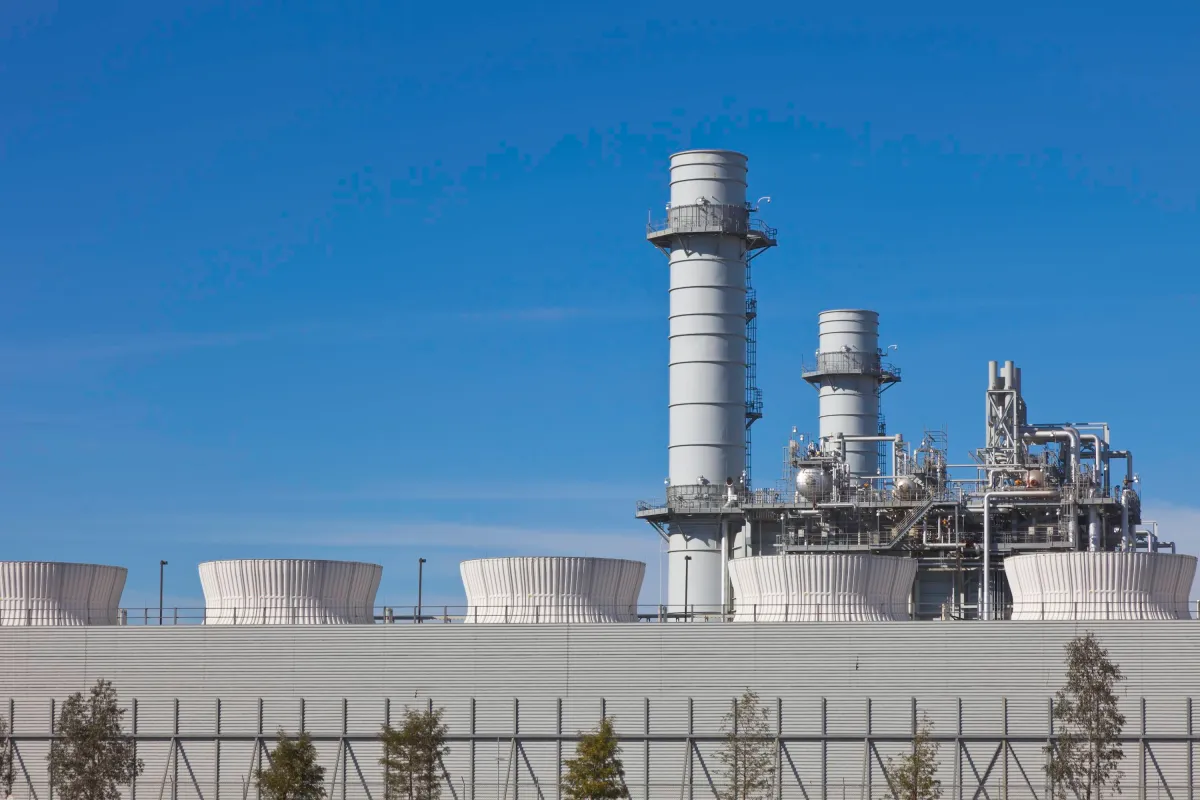
Big Tech’s pivot toward natural gas to fuel the burgeoning AI revolution is hitting a significant roadblock: terminal economic friction. As hyperscalers like Microsoft and Meta race to secure energy security for their compute-heavy data centers, they are finding that the underlying infrastructure is becoming prohibitively expensive and excruciatingly slow to develop.
The capital expenditure for combined cycle gas turbine (CCGT) power plants has surged by 66% in a mere two-year window. According to data from BloombergNEF, development costs have climbed from sub-$1,500 per kilowatt in 2023 to $2,157 per kilowatt last year. This reality contradicts the common narrative that gas remains an affordable bridge fuel amidst the transition to renewables.
Supply Chain Bottlenecks and Manufacturing Constraints
The industry is currently facing a classic demand-pull inflation scenario exacerbated by structural manufacturing limits. The specialized turbines required for these plants, which account for roughly 30% of total project costs, are suffering from a profound supply-demand mismatch. With prices for these components trending toward a 195% increase compared to 2019 levels, developers are effectively bidding against one another for scarce hardware.
Crucially, the manufacturing of these gas turbines does not benefit from the learning curve effects seen in solar and battery production. Because the production process is not easily scalable, wait times for equipment have drifted into the early 2030s. This creates a dangerous misalignment between the rapid, annual expansion cycles of AI compute and the glacial, multi-year timelines of traditional power infrastructure.
The Social and Economic Ripple Effects
The aggressive expansion of data centers is moving from a private corporate strategy to a public policy flashpoint. Current projections suggest that data center demand will balloon from 40 gigawatts to 106 gigawatts by 2035—a 2.7x increase. As facilities move toward an average size exceeding 100 megawatts, the sheer physical footprint and resource competition are sparking consumer backlash.
There is growing political and public pressure for tech firms to bring their own power rather than offloading costs onto the public grid. When utilities absorb the financial burden of new gas infrastructure to accommodate hyperscalers, those costs are frequently socialized through rate hikes for residential and commercial customers. This dynamic is rapidly eroding the social license that tech companies have historically enjoyed, potentially inviting more stringent regulatory oversight on where and how data centers can be sited.
A Strategic Pivot Away from Fossil Fuel Dependency?
Despite the widespread scramble for gas, the industry is not unified in its energy strategy. The escalating cost of gas-fired generation is beginning to change the calculus for firms prioritize long-term grid stability over short-term power availability.
Google, for example, is shifting toward an alternative model centered on the integration of renewable energy with long-duration energy storage (LDES). By utilizing technologies like iron-air batteries, which provide discharge windows of up to 100 hours, companies are exploring ways to decouple AI operations from the volatile pricing and supply constraints of the natural gas market.
As solar and battery costs continue their historical downward trajectory, the economic case for gas-only solutions is weakening. For Microsoft, Meta, and the broader sector, the next few years will be a test of their ability to balance the bottomless power demands of generative AI against an energy landscape increasingly defined by supply chain fragility, rising capital costs, and intense public scrutiny.