
The Evolution of Climate-Resilient Capital
The recurring encroachment of wildfires near critical infrastructure—most notably the recent threat to historic nuclear test sites near Los Angeles—underscores a grim reality for California and the broader global landscape. The era of predictable environmental stability has ended, forcing systemic shifts in how venture capital evaluates physical risk.
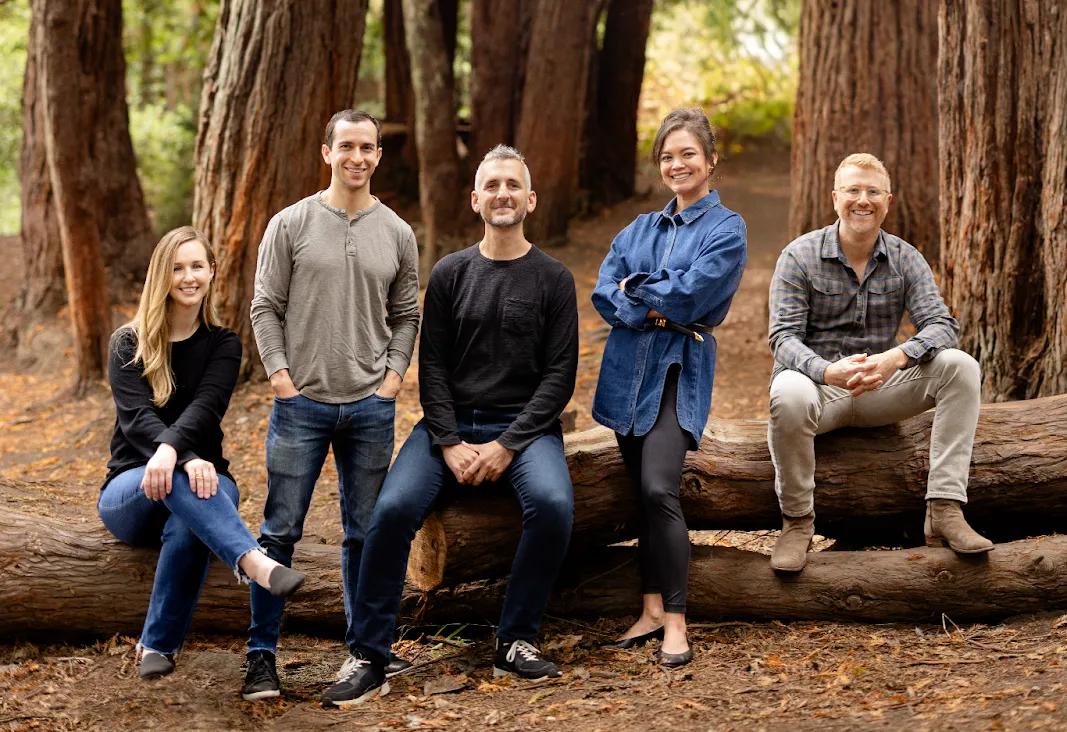
Convective Capital, spearheaded by WePay co-founder Bill Clerico, is at the forefront of this shift. With the announcement of an $85 million second fund, the firm has more than doubled its initial $35 million vehicle launched in 2022. More telling than the fund size is the shift in Limited Partner (LP) composition: while the inaugural fund leaned on high-net-worth individuals, the latest round boasts institutional participation from insurers and asset managers. This transition signals that the financial sector is finally treating climate resilience as an asset class rather than an philanthropic outlier.
From “Firetech” to Holistic Resilience
Convective’s mandate is undergoing a strategic metamorphosis. Originally conceived to address wildfire suppression through companies like Pano (AI-enhanced visual detection) and Burnbot (autonomous vegetation management), the firm is now rebranding its investment thesis around “physical world risk management.”
This expansion reflects a broader industry recognition: disaster mitigation is a fragmented, multi-layered problem. By investing in The Lumber Manufactory—aimed at improving forest economics—and Voltaire’s power-line inspection drones, Convective is positioning itself across the entire lifecycle of environmental risk. They are moving from reactive firefighting tech to proactive infrastructure hardening.
Solving the Adoption Gap
The primary hurdle for startups in this sector remains the “uncooperative” customer profile. Utility companies, public agencies, and traditional insurers are notoriously slow to adopt unproven innovations. Convective has differentiated itself by acting as a bridge, de-risking these startups by facilitating pilot programs and navigating procurement cycles that typically stifle early-stage ventures.
Clerico reports a 79% graduation rate from Seed to Series A across his portfolio, a figure that significantly outperforms standard venture benchmarks. This metric highlights that for climate-hardware startups, the value-add of the investor lies in market access as much as it does in capital infusion.
The AI Feedback Loop: A Double-Edged Sword
The intersection of AI and climate resilience presents a unique irony. While AI-driven simulation and sensor data processing are essential tools for wildfire prevention, the infrastructure required to power this compute—such as massive, energy-dense data centers—is placing unprecedented stress on the very power and water systems that require protection.
Clerico views this tension as an opportunity. As the AI industrial boom necessitates more robust, resilient power grids, the demand for his portfolio companies—specializing in grid inspection, commodity hedging, and insurance products—is naturally accelerating.
Industry Implications
The traditional insurance industry is currently facing a reckoning. As legacy insurers retreat from high-risk zones, a new guard of tech-forward insurance startups, such as Stand and Delos, is attempting to fill the void by leveraging granular data to price risk more accurately.
This creates a competitive stimulus. Incumbent insurance firms are no longer able to view technological intervention as optional; they are now forced to adopt these innovations to maintain market relevance. For investors like Convective, this systemic pressure creates both a steady exit pathway and a recurring demand for the specialized risk-mitigation software and hardware that form their investment thesis. As the physical world continues to grow more volatile, the firms that master the intersection of hard tech and financial risk management are set to define the next decade of venture capital.