
The Strategic Imperative for Quantum Networking
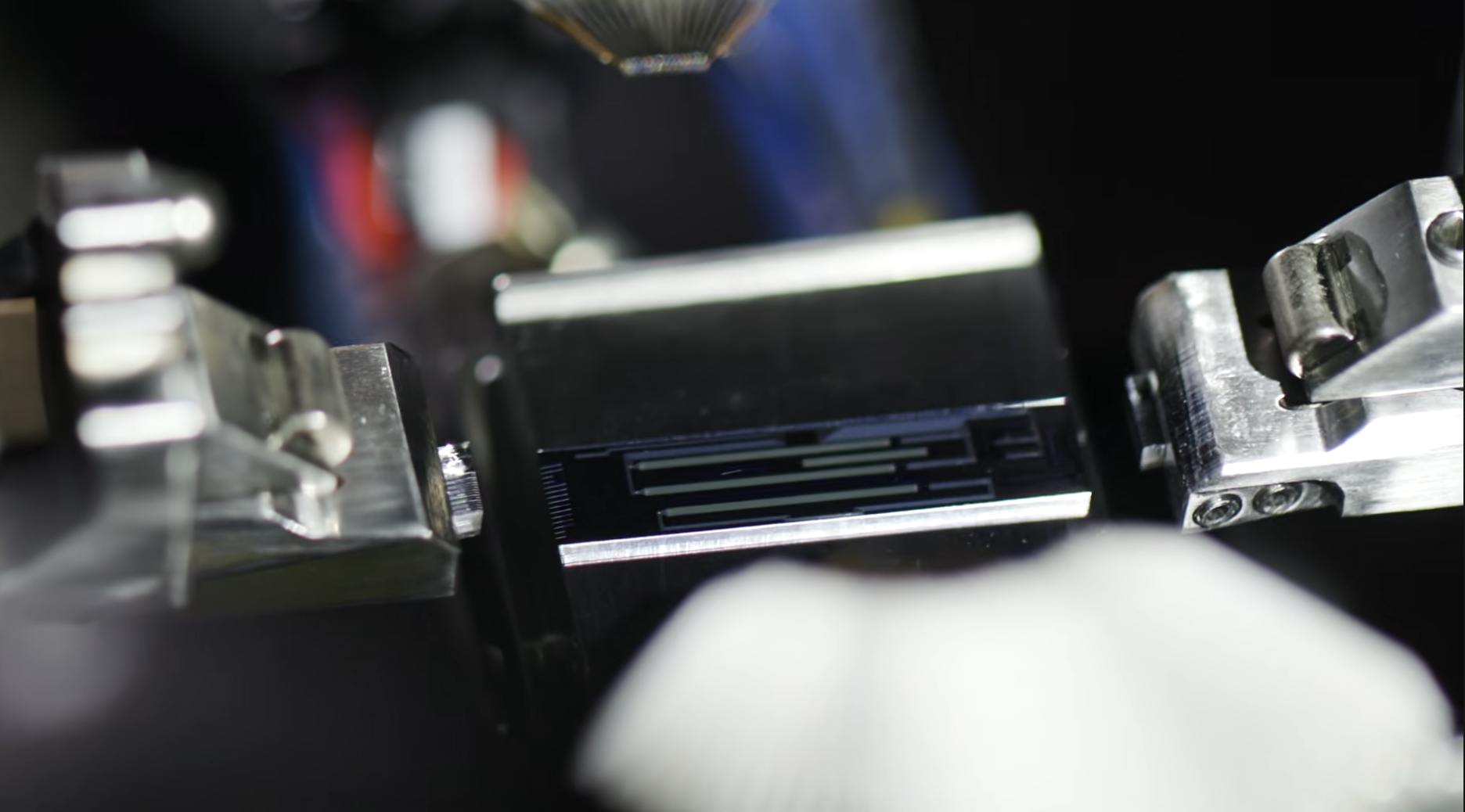
The recent unveiling of Cisco Systems Inc.’s Universal Quantum Switch marks a critical pivot in how the industry approaches quantum computing. Rather than viewing quantum as a series of isolated, high-performance hardware experiments, Cisco is framing it as a scalable grid. For the enterprise architect, this signifies that the quantum age will be defined not just by qubit counts, but by the efficiency of the quantum interconnect—the fabric that binds disparate processors into a unified computational powerhouse.
Overcoming the Scaling Barrier Through Distribution
Current quantum roadmaps hit a hard ceiling. To achieve the 10^5 to 10^6 logical qubits required for transformative tasks like molecular modeling or massive-scale scheduling, standalone systems are physically and economically impractical. The industry is reaching a consensus: distributed quantum computing is the only viable path forward.
Much like the transition from isolated mainframes to networked server farms in the late 20th century, quantum nodes must act as a collective. However, the networking challenge here is exponentially higher. Unlike classical packets, quantum states cannot be copied or routed through standard hardware without destroying entanglement. Cisco’s switch addresses this by acting as the fundamental routing layer that preserves these fragile states across standard telecom fiber, essentially creating the internetworking protocols for the quantum layer.
Cisco’s Technological Differentiator: The Fabric approach
The Universal Quantum Switch is not merely a tool for routing; it is a gateway for heterogeneous integration. By utilizing an internal conversion layer, the device translates various quantum encodings—such as polarization or time-bin—into a common, transportable format.
This modality-agnostic capability is essential. It prevents enterprise lock-in, allowing a photonic quantum computer to interoperate with a trapped-ion or superconducting array. By coupling this hardware capability with its established entanglement source chip—which generates millions of photon pairs per second at room temperature—Cisco is effectively building the infrastructure stack necessary to move quantum out of the laboratory and into the data center.
Driving Economic Value Through Pooling Resources
The real value of these networks lies in the ability to commoditize quantum resources. In a cloud-native future, an enterprise should consume quantum capacity with the same abstraction level currently applied to CPUs and GPUs. Cisco’s architecture facilitates three core economic and operational benefits:
Elastic Scaling: Organizations can scale out quantum power by linking smaller, more manageable units rather than chasing the elusive hero chip.
Vendor-Agnostic Interoperability: By standardizing the fabric, organizations can mix-and-match quantum modalities based on specific algorithmic workloads.
* Quantum-Enhanced Classical Services: Beyond pure computing, these networks enable near-term, high-value classical applications such as synchronized high-frequency trading engines or quantum-secure fiber sensing, offering immediate ROI while waiting for large-scale error-corrected quantum computers to mature.
An Architectural Roadmap for CIOs
While full-scale deployment remains a long-term goal, the decisions made by leadership today will dictate their trajectory in a quantum-ready market. IT leaders should move beyond passive observation and adopt the following strategic posture:
Shift to Multi-Vendor Architectures: Stop viewing quantum as a bespoke purchase from a single vendor. Begin evaluating infrastructure through the lens of interoperability. Observe how emerging standards for quantum NICs and APIs evolve, as these will serve as the connectivity layer for your future quantum fabric.
Initiate Quantum-Adjacent Pilots: Avoid the high barrier to entry of full-stack quantum machines by focusing on quantum networking pilots. Testing entanglement-based security or low-latency synchronization allows your team to develop the operational expertise—such as handling failure modes and signal jitter—necessary for later, more complex deployments.
Fortify the Classical Control Plane: The security of a quantum network is only as strong as its orchestration layers. Accelerate the transition to post-quantum cryptography (PQC) for all classical management and control traffic. Ensure that current router and switch procurement includes roadmaps for quantum-safe integration to avoid creating future security silos.
Designate Cross-Functional Oversight: Quantum networking destroys traditional IT silos. It requires a synthesis of optical physics, distributed systems software, and infrastructure security. By tasking a unified team with the quantum roadmap, enterprises can build reference architectures that bridge the current divide between classical networking and future quantum interconnects.
Cisco’s move indicates that the plumbing of the quantum era is being laid. For the modern enterprise, the goal is to ensure that when the technology moves from physics-based experimentation to production-grade utility, the network is already waiting to serve it.