
The End of the Swipe: Bumble’s Desperate Pivot
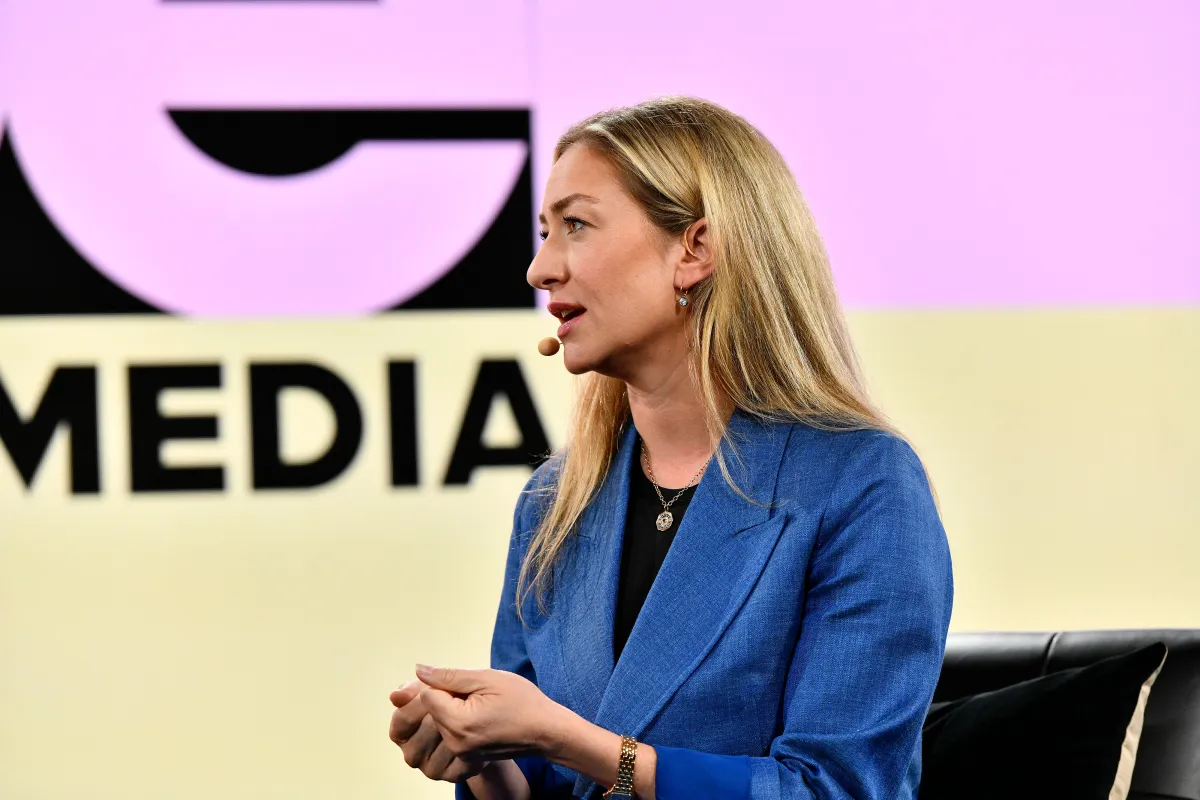
The swipe mechanism, a transformative interface element that defined the mobile dating era of the 2010s, is nearing its expiration date. Bumble CEO Whitney Wolfe Herd recently confirmed that the platform intends to remove the swipe feature entirely, signaling a radical shift in how users interact with the app. This pivot is not merely a stylistic design choice; it is a defensive maneuver prompted by a severe decline in user engagement and financial performance.
Financial Pressures and the User Exodus
Bumble’s decision comes on the heels of concerning fiscal data. In the first quarter of this year, the company reported a significant contraction, with paid users sliding to 3.2 million—a 21% decrease compared to the previous year’s 4 million. For investors, this trajectory suggests that the platform’s core value proposition has lost its potency.
Wolfe Herd has characterized this downturn as a deliberate reset designed to cull low-intent users in favor of a more dedicated cohort. While framing shrinking user numbers as a strategy for ecosystem health is a standard corporate communications tactic, the scale of this intervention underscores the severity of the company’s current position. The platform is currently grappling with a market that seems fatigued by endless, low-quality digital interactions.
The AI Frontier and Potential Pitfalls
Central to Bumble’s proposed revitalization is the integration of artificial intelligence. The firm is actively developing Bee, an AI-driven concierge service intended to assist members in navigating the complexities of modern courtship. Wolfe Herd has long championed the idea of AI as a catalyst for digital intimacy, even speculating on the viability of future models where autonomous AI agents negotiate and date on behalf of their human operators.
This vision, while ambitious, creates a strategic friction with its core demographic. Many Gen Z users have grown skeptical of black box algorithms and aggressive AI implementation. By moving toward a reality that feels increasingly detached from human-to-human connection, Bumble risks alienating the very audience it needs to capture. If a dating app replaces the human element of discovery with automated, predictive labor, it may strip the platform of the authenticity it is currently struggling to maintain.
Market Implications and the Future of Connection
The tech industry is watching this overhaul closely, as it represents a broader trend of dating app malaise. The hyper-optimized, gamified experience of the last decade has left many users feeling cynical about the efficacy of these platforms. Bumble is gambling that a complete structural departure from the swipe—and a heavy lean into AI—will mend the fragmentation of the digital dating experience.
As the industry pivots away from the low-friction discovery models of the past, the challenge lies in balancing technology with organic human interaction. With the redesign slated for the final quarter of this year, Bumble has a small window to prove that removing the swipe will foster deeper connections rather than simply accelerate the commodification of human romance. For now, the user base remains in a state of transition, awaiting a transformation that could either save the brand or render it further obsolete in an increasingly tech-weary landscape.