
The Shift Toward Sovereign Social Infrastructure
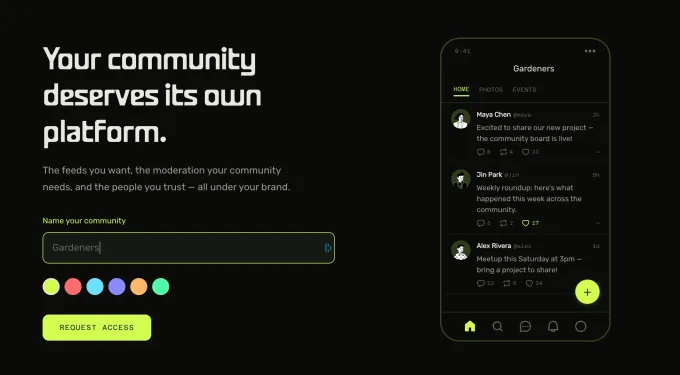
The launch of Acorn, a new platform by Blacksky, represents a significant escalation in the movement toward decentralized social networking. By leveraging the AT Protocol—the same foundational architecture that powers Bluesky—Acorn offers organizations and creators a framework to build communities that are not tethered to the whims of centralized tech conglomerates.
For years, community managers have operated as digital sharecroppers, building audiences on platforms like X, Facebook, and Instagram, only to have their reach throttled by algorithmic changes or their groups dissolved by sudden policy shifts, such as X’s recent shuttering of its Communities feature. Acorn effectively shifts the power dynamic by allowing entities to host their own community spaces on the open web.
Breaking Monopolistic Control Through AT Protocol
At its core, Acorn is a toolkit aimed at abstraction. By utilizing the AT Protocol, it enables interoperability, meaning community members do not have to abandon their broader social presence to engage with a specific, curated space. Blacksky, the studio behind Acorn, originally developed these capabilities to provide a resilient, moderated home for the Black Twitter community. Through the professionalization of these tools, they are now offering a blueprint for any organization to reclaim its audience.
Unlike the walled-garden approach of Meta or ByteDance, Acorn allows for true data portability and infrastructure control. Organizations can elect to run their own Personal Data Servers (PDS), which effectively allows them to own their community’s data architecture rather than renting it from a platform that prioritizes ad-based engagement metrics over community health.
Customization and Sovereign Moderation
The fragility of legacy social media platforms has been highlighted by a rise in mass, automated account deletions where users have no path to human recourse. Acorn addresses this pain point by placing administrative tools directly into the hands of the community creators.
Key features include:
Customized Moderation Policies: Community leaders can define their own standards for discourse, utilizing granular tools to manage reports, remove harmful content, and enforce bans without waiting for a generic platform’s automated system to catch up.
Engagement Analytics: By providing professional-grade insights into member growth and feed activity, Acorn allows creators to treat their community as a strategic asset rather than a fragmented social media page.
* Reputation Systems: Using badges, awards, and starter packs, admins can incentivize healthy interactions and curate the cultural tone of their specific space.
The Economics of Decentralized SaaS
Acorn’s business model is a departure from the ad-supported, surveillance-heavy revenue streams of Big Tech. Currently moving toward a tiered SaaS model, the platform charges for the utility of the software rather than the commodification of its users. With an entry price point between $100 and $150 per month, it targets creators and organizations that view community retention as a high-value priority.
This model is particularly attractive to nonprofits, media companies, and niche interest groups that have been negatively impacted by the enshittification of mainstream social media. As regulatory pressure mounts globally—with increased scrutiny regarding age-gating and user privacy—the ability to host a sovereign community on one’s own domain is becoming a business necessity rather than a technical luxury.
Industry Implications
The emergence of projects like Acorn signals a maturing of the decentralized web. While early efforts focused primarily on individual social expression, the industry is now pivoting toward organizational sustainability. As users continue to experience platform instability and opaque moderation, the appeal of social autonomy will likely see a surge in adoption among professional organizations.
By providing a turn-key solution to the complex technical hurdles of decentralized networking, Blacksky is positioning itself as a vital piece of infrastructure for a post-centralized social internet. For creators, the message is clear: if you are tired of the volatility of algorithms and the lack of support from global platforms, the tools to build your own digital territory are finally here.