
Strategic Capital and the Industrialization of AI-Driven Drug Discovery
Isomorphic Labs, the specialized drug discovery spin-off from Alphabet’s DeepMind, is reportedly moving to close a substantial funding round that values the company at over $2 billion. This infusion of capital—expected to be led by Thrive Capital with additional participation from Alphabet—signals a shift in venture investment toward high-precision biological computing. By moving beyond generalist AI models toward specialized, vertical-specific engines, Isomorphic Labs is positioning itself at the center of a fundamental shift in pharmaceutical R&D.
The significance of this valuation cannot be understated. It reflects a growing consensus among investors that the AlphaFold era of biology is transitioning from theoretical research to industrial-scale commercial application. With Demis Hassabis, a Nobel laureate in chemistry, at the helm, the company leverages not only top-tier leadership but also the intellectual capital of the world’s most advanced machine learning research group.
From Theory to Therapeutics: The Evolution of IsoDDE
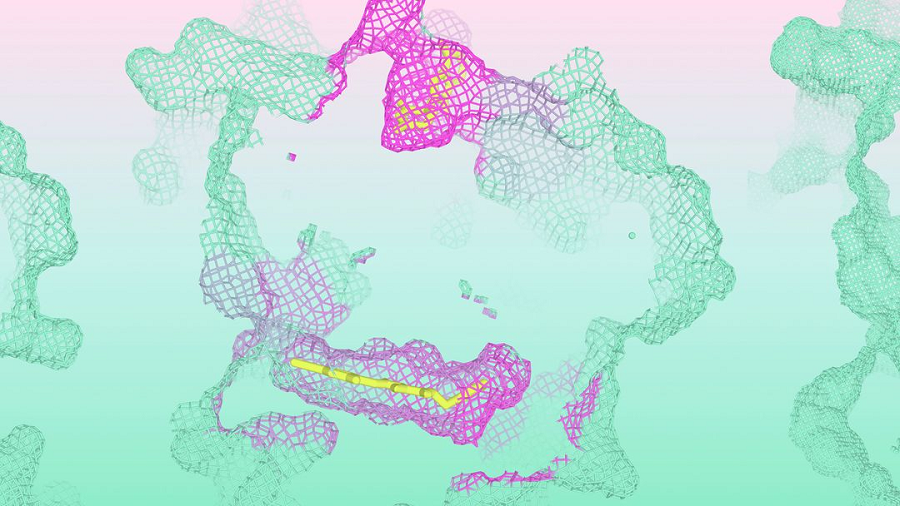
While AlphaFold 3 set a new standard for structural biology by predicting the architecture of proteins with unprecedented accuracy, Isomorphic Labs is moving the goalposts with its proprietary Drug Design Engine (IsoDDE). The industry has long struggled with the binding pocket problem—finding the precise entry point on a target protein where a drug molecule can anchor and neutralize a disease.
IsoDDE differentiates itself by outperforming its predecessor, AlphaFold 3, by a factor of two on the complex Runs N’ Poses benchmark. Crucially, the model operates with thin data requirements, circumventing the massive, time-consuming preparatory work that has historically throttled pharmaceutical development timelines. For the enterprise, this implies a move toward digital-first drug design, where candidates are optimized via simulation long before they reach physical lab testing.
Implications: Shrinking the Valley of Death in Pharma
The traditional drug discovery pipeline is notoriously inefficient, characterized by a valley of death where high failure rates lead to billions of dollars in sunk costs. Isomorphic Labs’ technology targets these inefficiencies by automating the identification of therapeutic compounds and improving the accuracy of binding affinity predictions.
By securing this multi-billion dollar valuation, Isomorphic Labs is signaling a wider industry trend: the monetization of foundational AI models in the life sciences. The planned expansion of international operations suggests that Alphabet is preparing to scale its biological computing footprint, potentially challenging legacy pharmaceutical giants that rely on conventional, slow-moving experimental methodologies.
Market Trajectory and Future Competitiveness
The reliance on Thrive Capital, a firm deeply embedded in the generative AI ecosystem, suggests that Isomorphic is being treated as a high-growth technological infrastructure play rather than a traditional biotech firm. By integrating deep learning directly into molecular workflows, the company is shortening the feedback loop between computational design and verifiable biology.
As the industry matures, the competitive advantage will likely move away from the algorithms themselves toward the integration of these models into clinical workflows. With the backing of Alphabet and private equity leaders, Isomorphic Labs is establishing a formidable moat, transforming the search for new medicines from a serendipitous process into a predictable, data-driven engineering discipline. The influx of $2 billion will be the primary catalyst for proving whether this computational prowess can successfully navigate the final hurdle: bringing AI-designed drugs to market.