
Airbnb’s Pivot: Challenging the Traditional Travel Agency Model
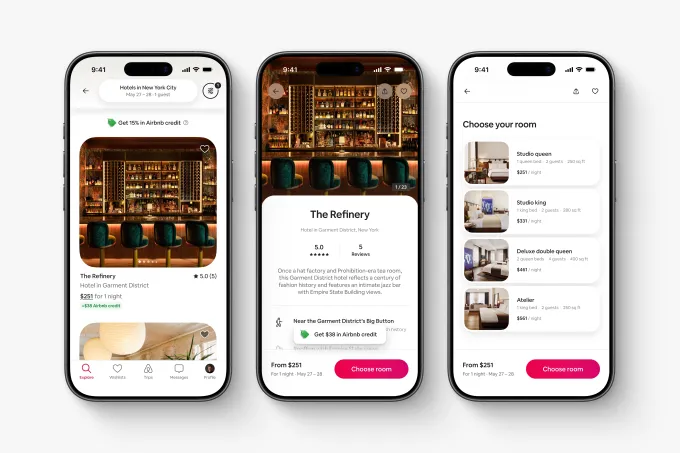
Airbnb has long been synonymous with the peer-to-peer (P2P) short-term rental market. By empowering individuals to monetize unused property, the company disrupted the hotel industry. However, by officially integrating boutique hotels into its platform, Airbnb is signaling a transition from a niche rental marketplace into a comprehensive travel super-app. This expansion is not merely about increasing inventory; it is a calculated effort to capture a larger share of the global travel wallet.
The inclusion of boutique hotels serves two primary strategic purposes. First, it addresses the trust and consistency friction inherent in P2P rentals by offering the standardized service levels travelers expect from hospitality providers. Second, it serves as a massive regulatory bypass. In high-demand metropolitan markets like New York and Singapore, where local legislatures have aggressively clamped down on short-term rentals, partnering with established hotels allows Airbnb to maintain market presence in jurisdictions that previously effectively banned its core business model.
The Super-App Strategy and Ecosystem Lock-in
Airbnb is no longer content with being an accommodation provider. Its strategic roadmap now encompasses the entire travel lifecycle—from local logistics to experiential tourism. By rolling out car rentals, airport transfers, luggage storage, and curated local experiences, such as guided landmark tours and culinary events, the company is positioning itself to compete directly with OTAs (Online Travel Agencies) like Expedia, Viator, and GetYourGuide.
This broadening of services represents a direct collision course with ride-sharing giants like Uber, which have simultaneously pushed into hospitality booking. Both organizations are racing toward a travel ecosystem model where a user never leaves the platform from the point of initial inspiration to returning home. Airbnb’s implementation of credit-based incentives for hotel bookings and car rentals acts as a pseudo-loyalty program. While not a traditional points-based scheme, these financial hooks increase switching costs and encourage repeat usage, effectively deepening the company’s moat.
Strategic AI Integration: Utility Over Hype
While the broader travel sector has rushed to implement Generative AI purely as conversational trip planners, CEO Brian Chesky has adopted a more skeptical stance toward chatbots as a consumer interface. Airbnb’s AI strategy is notably pragmatic, focusing on structural efficiency rather than gimmicky query interfaces.
The firm is deploying AI to solve specific friction points:
- Host Efficiency: Automating the listing process to reduce the barrier to entry for new hosts.
- Guest Decision-Making: Implementing categorical tagging for reviews and AI-generated property comparison summaries to help users parse the overwhelming volume of choice.
- Operational Scaling: Utilizing AI to manage customer support, which already handles a significant percentage of query volume. By expanding this to support 11 languages and integrating voice-based support, Airbnb is attempting to drive down the cost of customer service while simultaneously improving response times.
The Industry Outlook
By consolidating hotels, experiences, and logistical services into a single UI, Airbnb is attempting to solve the fragmentation of the travel industry. The primary risk for the company remains the potential dilution of its brand identity. As it shifts toward a model that increasingly mimics the very hotel conglomerates it once sought to displace, it must balance its belong anywhere ethos with the operational rigor required to manage professionalized travel services. Given the aggressive expansion into transport and logistics, Airbnb is no longer just a rental marketplace; it is rapidly evolving into a vertically integrated digital travel brokerage.