
The Shift Toward Proactive Agentic AI
The artificial intelligence landscape is rapidly pivoting from reactive chatbots—which wait for specific prompts to generate text or code—toward proactive agents designed to anticipate user intent. This transition from instruction-following to agentic autonomy reflects a broader industry objective: moving beyond simple content generation to executing complex, multi-step workflows without constant human oversight.
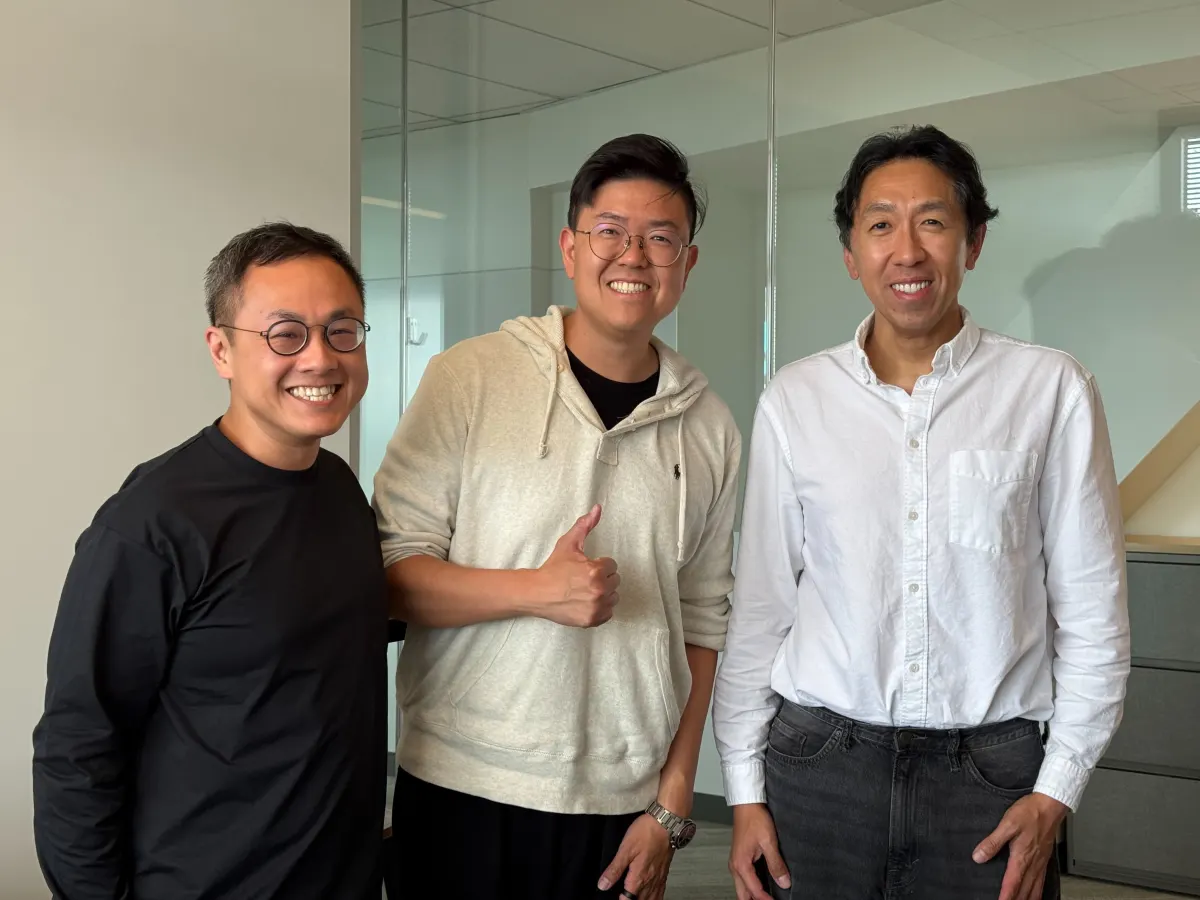
IrisGo, a startup recently backed by a $2.8 million seed round led by Andrew Ng’s AI Fund, represents the vanguard of this shift. By focusing on desktop-native automation, the company attempts to solve the context gap that often limits large language models (LLMs) when they operate in isolated browser environments.
Engineering Human-Centric Automation
At its core, IrisGo aims to eliminate the repetitive friction characterizing modern office life. Co-founded by former Apple engineer Jeffrey Lai—who famously helped develop the Chinese-language iteration of Siri—the tool is designed to move past the chatbox paradigm. Instead of asking a model to draft an email, the agent learns the user’s specific workflow, allowing for show once, automate forever functionality.
The platform distinguishes itself through a comprehensive library of pre-packaged skills, including invoice reconciliation, report generation, and automated document summarization. By integrating a coding assistant similar to Anthropic’s Claude Code, IrisGo is positioning its software as a comprehensive utility for knowledge workers, potentially creating a desktop-as-a-service layer that operates in the background of a user’s professional life.
The Architecture of Privacy and Scalability
A persistent challenge for AI-driven desktop companions is the trade-off between local speed and cloud-based intelligence. IrisGo utilizes a hybrid architecture, prioritizing on-device processing to address enterprise concerns regarding data privacy and security. While more intricate, high-level reasoning tasks are routed to the cloud, the company maintains that these operations are secured through end-to-end encryption and explicit user authorization.
This privacy-first approach is critical for market penetration within the white-collar sector. If the software is to handle sensitive internal financial documents or proprietary reports, it must overcome data leakage fears that traditional cloud-first AI services often trigger in corporate IT departments.
Market Strategy and Industrial Integration
IrisGo’s strategic roadmap extends beyond simple software-as-a-service (SaaS) subscriptions. By securing partnerships with major hardware vendors like Acer, the company is attempting to embed its agentic technology directly into the OEM (Original Equipment Manufacturer) stack.
Successfully shifting the product from a manual install to a pre-installed component on new laptops would grant IrisGo significant leverage in the enterprise market. With endorsements from industry heavyweights like Nvidia and Google, the startup is signaling to the investor community that it intends to be a foundational piece of the next-generation operating system experience.
The ultimate goal for IrisGo is to relegate clerical and mundane digital administration to the background. By freeing knowledge workers from the manual labor of digital desktop management, the company hopes to prove that the true value of AI lies not in creating content, but in managing the orchestration of professional action.