
The Jurisprudential Crisis of Unsold Lottery Assets
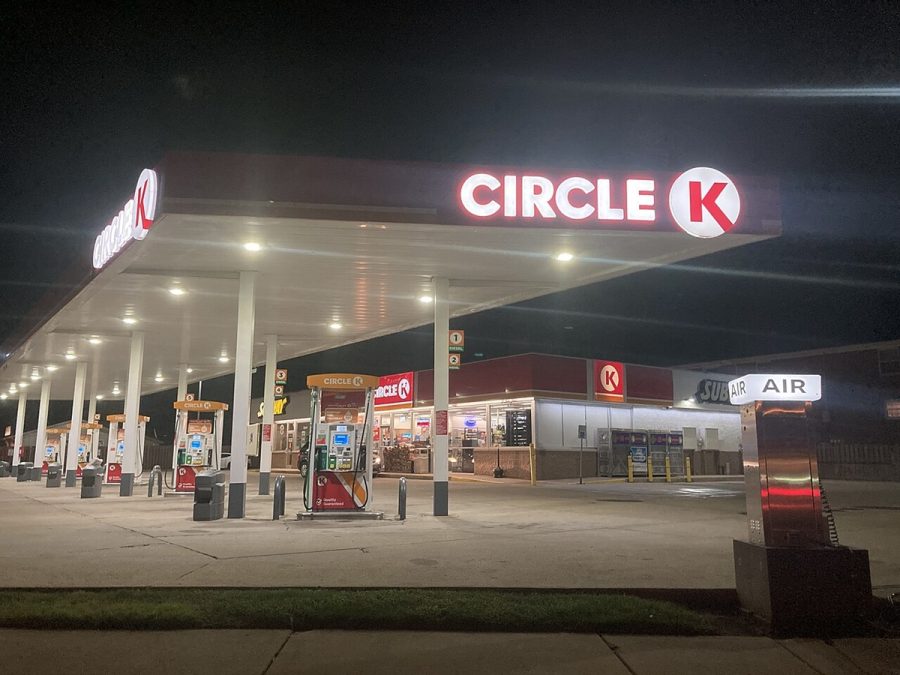
A high-stakes legal stalemate in Scottsdale, Arizona, has escalated into a defining moment for the lottery industry’s regulatory framework. The battle over a $12.8 million The Pick jackpot—set to expire on May 23—has transcended a simple prize dispute, evolving into an urgent test of fiduciary responsibility and retail asset classification. As Circle K seeks a court-ordered stay on the lottery commission’s standard claim deadline, the industry faces an uncomfortable scrutiny regarding the distinction between unsold inventory and personal property.
The Anatomy of the Transactional Conflict
The core of the dispute involves a sequence of events occurring at a Scottsdale retail location last November. A patron reportedly ordered $85 in lottery tickets but finalized payment for only $60, leaving a $25 balance of inventory at the point of sale.
Circle K’s legal strategy rests on the premise that these items were effectively unfinished inventory. By framing the tickets as company assets rather than abandoned consumer goods, the corporation is attempting to assert a claim on the proceeds. This maneuver is calculated to sidestep the complex, often individualized, hurdles of lottery ownership, effectively treating a state-run game of chance as a standard category of corporate stock.
The Ethical Hazard of Insider Advantage
The narrative complicates significantly when considering the actions of the store manager, Robert Gawlitza. The timeline suggests a potential ethical breach: discovering the unsold, and potentially winning, tickets during his shift, subsequently clocking out, and returning as a private citizen to purchase the remainder for a nominal sum of $10.
From an industry analysis perspective, this behavior threatens to collapse the integrity of retail lottery operations. If the plaintiff successfully demonstrates that Gawlitza acted with non-public knowledge regarding the winning nature of the terminal’s previous transactions, the entire claim will likely be invalidated. This scenario borders on a form of retail insider trading, which would not only disqualify individual claims but could trigger a systemic review by state lottery regulators regarding employee interaction with lottery terminals.
Pressure on the Judiciary and the Clock
With the May 23 expiration window rapidly narrowing, the immediate legal focus is a petition for an emergency restraining order. The goal is to prevent the $12.8 million from reverting to the state’s general lottery fund, an outcome that would effectively terminate the legal standing of all involved parties.
Judge Kramer, presiding over the upcoming May 15 hearing, holds the balance of power. A decision to grant a stay of the 180-day deadline would create a significant precedent, essentially forcing administrative law to accommodate corporate litigation. Conversely, a refusal to intervene would signal that the state prioritizes the finality of its lottery expiration statutes over individual or corporate claims, regardless of pending civil disputes.
Broader Implications for Retail Accountability
This case serves as a loud wake-up call for convenience store chains to audit their point-of-sale protocols. The manager-as-customer loophole is a known vulnerability, yet many retailers lack the rigorous internal controls necessary to prevent staff from exploiting abandoned transactions.
Industry stakeholders should anticipate a shift in regulatory requirements. If the court validates Circle K’s claim, it legitimizes the idea of corporate ownership of jackpot prizes, potentially paving the way for larger entities to aggressively litigate every unclaimed or forgotten ticket. If the court finds against the manager, it will likely drive a mandate for stricter prohibitions on employees participating in lottery transactions at their own places of work. Regardless of the verdict, the status quo for lottery retail accountability has been permanently challenged, necessitating a more transparent, technology-driven approach to tracking ticket ownership and preventing unethical profiteering.