
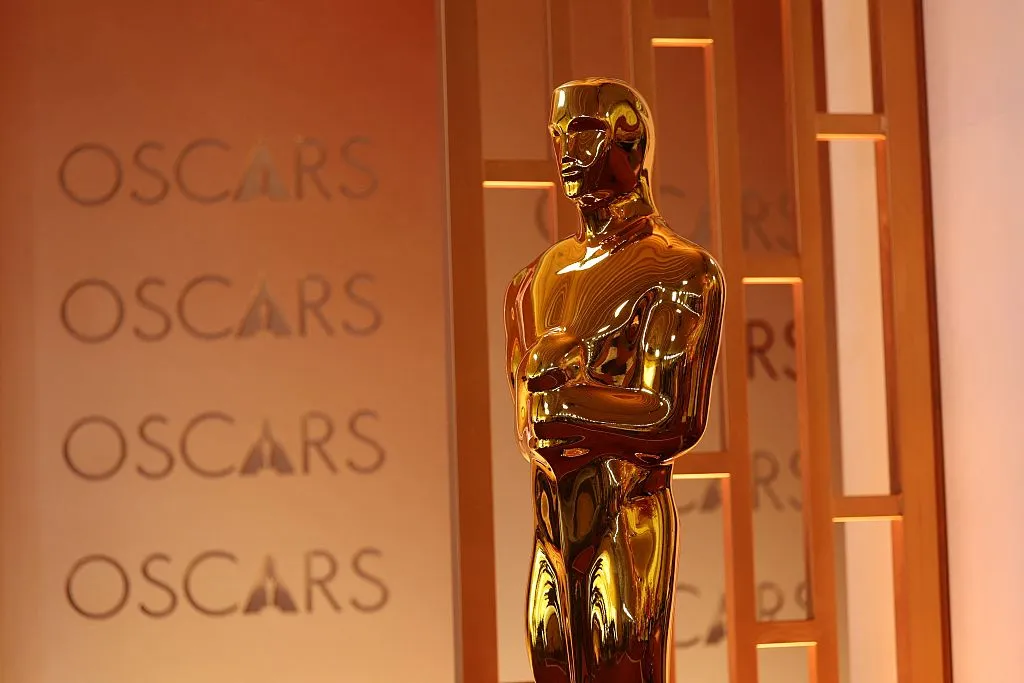
The Academy’s Strategic Buffer Against Generative AI
The Academy of Motion Picture Arts and Sciences has officially codified its stance on the integration of generative artificial intelligence into cinematic craft. By updating its eligibility guidelines, the organization is drawing a definitive line in the sand: despite the rapid maturation of algorithmic tools, the status of an Oscar remains tethered exclusively to human endeavor.
These amendments explicitly mandate that any performance eligible for an Academy Award must be demonstrably executed by a human being. Moreover, the Academy has established that screenplays submitted for consideration must be fundamentally human-authored. To enforce these standards, the governing body now reserves the right to audit films, requiring creators to disclose the extent of AI involvement during the development and production lifecycle.
The Impetus: Protecting the Sanctity of Artistic Labor
This regulatory shift comes as a direct response to a mounting climate of uncertainty within the creative sector. The industry is currently contending with high-profile experiments, such as the digital recreation of Val Kilmer and the rising influence of AI-generated public figures like Tilly Norwood. For many traditional filmmakers, the emergence of hyper-realistic video synthesis models represents not just a new tool, but an existential disruption that threatens the perceived value of human-led narrative storytelling.
The decision is also a belated legislative acknowledgement of the labor volatility that defined 2023. During the WGA and SAG-AFTRA strikes, the protection of intellectual property and the safeguarding of individual likenesses from unauthorized synthetic exploitation were primary bargaining chips. By establishing these hard rules, the Academy is signaling alignment with the guilds, essentially preempting a scenario where the prestige of an Oscar could be detached from the labor of a physical performer or writer.
Broader Industry Implications
The ripple effects of this decision extend far beyond the red carpet. By mandating human authorship, the Academy exerts soft power across the wider entertainment ecosystem. Publishers, literary award committees, and other professional guilds are increasingly adopting similar protocols, often disqualifying works that rely on automated generation.
This creates a dual-track market. On one side, we are seeing the rise of AI-assisted content intended for rapid digital consumption; on the other, the prestige market—led by the Academy—is doubling down on the premium placed on human provenance.
The Burden of Proof
The Academy’s right to request internal audits introduces a new administrative burden for production houses. As AI tools become deeply embedded in post-production workflows—such as background replacement, color grading, or high-end visual effects—distinguishing between assistance and authorship will become increasingly complex.
The industry now faces a period of rigorous self-policing. Filmmakers must be prepared to provide transparent documentation regarding their production pipelines, as the threshold for what constitutes an authentic, human-centric contribution becomes the new metric for artistic integrity in the digital age.