
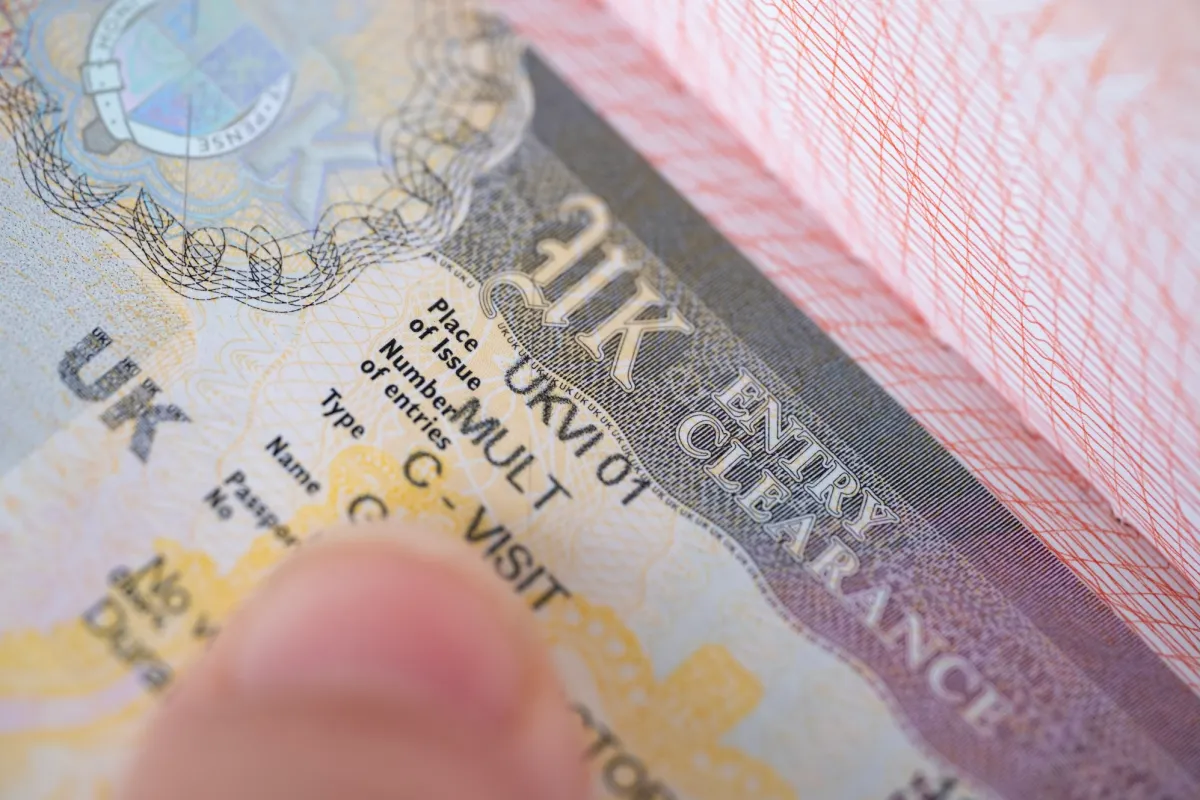
The Risks of Third-Party Facilitators in Digital Immigration
The UK Visa Portal, a private entity operating a service that mimics official government channels, has come under scrutiny following the exposure of sensitive user data, including passport scans, facial recognition imagery, and precise geolocation metadata. This incident underscores a growing conflict in the digital landscape: the rise of third-party intermediaries seeking to capitalize on government administrative processes, often at the expense of user security and data privacy.
Users searching for UK travel authorization frequently encounter these platforms, which operate independently of the official GOV.UK framework. Confusion is a design feature for some of these services, which often mirror government branding to capture fees from applicants who mistakenly believe they are using an official portal. Beyond the financial impact, this reliance on private intermediaries introduces significant security vulnerabilities that government-operated platforms are better equipped to mitigate.
Configuration Errors: The New Frontier of Data Breaches
The security breach in question did not result from a sophisticated, state-sponsored cyberattack or a malicious exploit of encryption protocols. Instead, it was the byproduct of a misconfigured Amazon Web Services (AWS) S3 bucket. While the storage container was not explicitly indexed for public browsing, the files contained within were accessible to anyone possessing a direct URL. A backend vulnerability on the UK Visa Portal website allowed unauthorized parties to enumerate these file paths, exposing a treasure trove of identity documents.
This pattern of insecure storage has become distressingly common across the tech industry. It highlights a critical failure in DevSecOps practices: the inability to enforce strict access control policies on cloud-based storage. When private companies handle high-value identity data—such as passports and selfies intended for identity verification—the margin for error is non-existent. A simple misconfiguration effectively turns a commercial service provider into a massive, open-access repository for identity theft.
The Implications for Identity Verification Markets
As global governments transition toward mandatory age verification and biometric-based identity checks, the market for digital processing has moved from state-run systems to private-sector contractors. The UK Visa Portal incident serves as a cautionary tale for this transition. The presence of EXIF data—specifically GPS coordinates embedded in the uploaded photos—means the leak reveals not just identity documents but the private, real-world living situations of the applicants.
This situation puts the company in a precarious position regarding international data protection regulations, including the GDPR. Affected individuals and regulatory bodies are left to wonder if the company will acknowledge the breach, disclose the extent of the compromised data, or provide remediation resources. Given the company’s silence toward mounting inquiries, there are deep concerns regarding their transparency and compliance with mandatory breach notification statutes in both the U.S. and the European Union.
Policy Failure and Consumer Responsibility
The proliferation of these third-party portals muddies the waters of digital governance. While these companies maintain that they offer premium services, the potential for catastrophic privacy failures far outweighs the convenience they claim to provide.
For the average citizen, the takeaway is clear: critical government documentation, particularly for electronic travel authorizations, should exclusively be routed through official government domains. Relying on unauthorized intermediaries shifts the burden of security from well-resourced state entities to private firms that may lack the infrastructure, compliance culture, or incident response protocols necessary to protect high-stakes personal data. Until regulatory bodies impose stricter penalties and audit requirements on these ancillary service providers, the vulnerability of government-issued identity documents will continue to grow in the private cloud ecosystem.