
The Binary Blind Spot: RevEng.AI Raises $15M to Secure the Code Beneath the Surface
The cybersecurity industry has long struggled with the black box nature of modern software. While organizations focus on securing source code, they are often flying blind when it comes to the compiled executables—the actual machine code that runs on infrastructure. British startup RevEng.AI, operating as Binary AI Ltd., is attempting to bridge this chasm with a fresh $15 million Series A funding round, signaling a significant shift toward AI-powered binary analysis.
Beyond Source Code: The BiNet Model
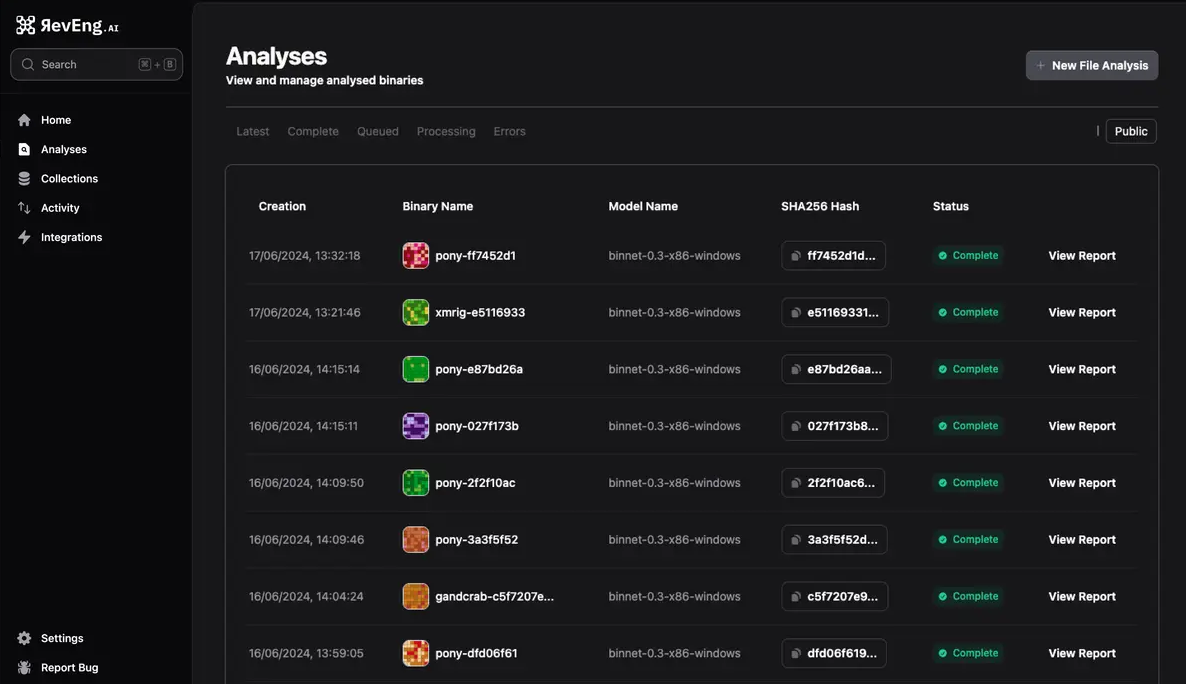
RevEng.AI’s approach centers on its foundational model, BiNet. Conceptually aligned with architectures like Anthropic’s Mythos, BiNet is specifically engineered to deconstruct software at the binary level. By analyzing executables, firmware, and third-party binaries without requiring the original source code, the platform aims to reveal hidden vulnerabilities, malicious backdoors, and insecure dependencies that traditional static analysis security testing (SAST) tools often overlook.
The strategic training behind BiNet is noteworthy. Founder and CEO James Patrick-Evans notes that the model was refined in collaboration with allied government cybersecurity units and premier commercial firms. This provenance suggests that the tool is being stress-tested against nation-state-level threats, rather than just common software bugs, positioning it as an essential safeguard for national and economic infrastructure.
The Urgency of AI-Generated Risk
The value proposition for RevEng.AI becomes increasingly urgent as generative AI coding assistants proliferate. As software development cycles accelerate, the human oversight once applied to every line of code is eroding. Patrick-Evans argues that in this new paradigm, the compiled binary is the only source of truth.
Because AI-written code often bypasses rigorous human auditing, the risk of embedding hallucinated vulnerabilities or poisoned dependencies into production environments is rising. By automating the verification of binary files, RevEng.AI provides a final gatekeeper, allowing enterprises to inspect the actual instructions before deployment. This automates trust, shifting away from a reliance on the reputation of software vendors and toward a technical verification of the binary itself.
Broad Industry Implications
The backing of the NATO Innovation Fund, alongside investors like In-Q-Tel and Sands Capital, highlights the strategic importance of this technology. Critical infrastructure—including telecommunications, energy grids, and financial systems—is built upon a precarious pile of opaque, third-party libraries. If a single component of a vendor’s binary is compromised, the impact cascades throughout the entire ecosystem.
Traditional security workflows have traditionally prioritized the perimeter or the source. However, as software supply chain attacks continue to evolve into the most devastating vectors of the current era, the binary level represents the new frontier of defense. By enabling deep inspection of opaque, closed-source binaries, RevEng.AI is providing organizations with an audit trail for software security that was previously impossible to attain. This shift effectively forces software providers toward a higher level of transparency; even if they don’t share their source code, their binaries will now be subjected to unforgiving, automated scrutiny.