
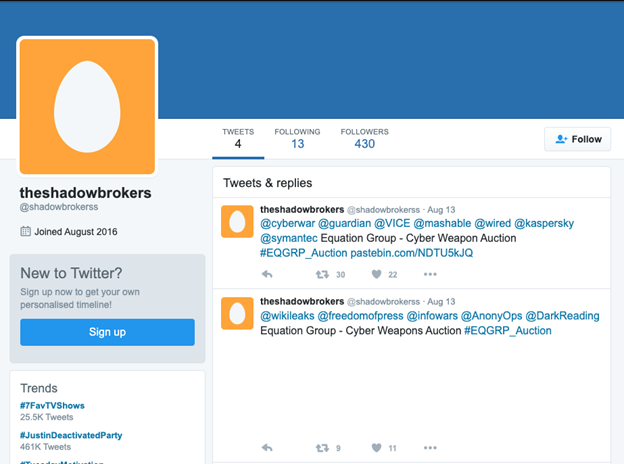
The Persistence of the Shadow Brokers: A Decade of Unanswered Cybersecurity Questions
The landscape of cyber warfare is littered with high-profile arrests. From the dismantling of the LAPSUS$ extortion syndicate to the formal indictment of state-sponsored actors from Moscow and Beijing, the notion that digital anonymity is absolute has been largely debunked. Yet, the history of intelligence remains perforated by unresolved breaches—mysteries that persist despite the immense investigative resources of global intelligence agencies. None remain as provocative as the 2016 emergence of the Shadow Brokers.
The Architectures of an Information Leak
When the Shadow Brokers first surfaced, their methodology defied convention. Rather than engaging in targeted exfiltration for private gain, they utilized a bizarre, public-facing auction model on platforms like Pastebin. By targeting the Equation Group—an elusive entity widely attributed to the National Security Agency (NSA)—the actors demonstrated an unprecedented level of access to Tier-1 cyber weaponry.
The group’s demand for 1 million Bitcoin in exchange for tools better than Stuxnet was, in retrospect, a tactical ruse. The primary intent was not illicit profit, but rather the weaponization of the leaks themselves. Their use of distorted, broken English during limited interactions only added to the performative nature of the operation, obfuscating the actual provenance of the leaks.
The Downstream Cost of Intelligence Overreach
The release of the EternalBlue exploit represents a watershed moment in the history of cybersecurity. By exposing zero-day vulnerabilities in the Windows ecosystem, the Shadow Brokers fundamentally altered the threat landscape. The ripple effects were historic:
WannaCry: The North Korean Lazarus Group repurposed EternalBlue to launch a global ransomware worm that crippled hospitals, transit systems, and corporate networks.
NotPetya: Russian intelligence entities utilized the same stolen capabilities to conduct a destructive attack against Ukrainian infrastructure, which subsequently hemorrhaged into a global economic disaster, racking up roughly $10 billion in damages.
This underscores a critical industry reality: intelligence agencies prioritize the stockpiling of vulnerabilities for offensive operations, yet they lack the ability to guarantee the security of that inventory. When these cyber weapons leak, the defense burden shifts instantly to the private sector, which is rarely equipped to manage intelligence-grade exploits.
Investigative Dead Ends and Lingering Hypotheses
Despite the severity of the theft, no individual has been held accountable. While the arrest of NSA contractor Harold T. Martin III initially drew scrutiny, the timeline of his incarceration failed to align with the continued, active operational state of the Shadow Brokers account. This suggests the breach was not the work of a disgruntled lone wolf, but an orchestrated operation.
The prevailing industry hypothesis shifts accountability toward Russian state-sponsored actors, framing the leaks as a geopolitical maneuver—a tool for propaganda and disruption rather than mere espionage. The fact that researchers are still uncovering artifacts within the leaked data, such as the 2005-era malware discovered recently, proves that the Shadow Brokers are not an isolated historical footnote. They are a haunting reminder of the ongoing volatility in global cyber warfare. In an era where digital tools are the new ballistic missiles, the inability to identify those responsible for the Shadow Broker leak remains one of the most glaring systemic failures in modern signal intelligence.