
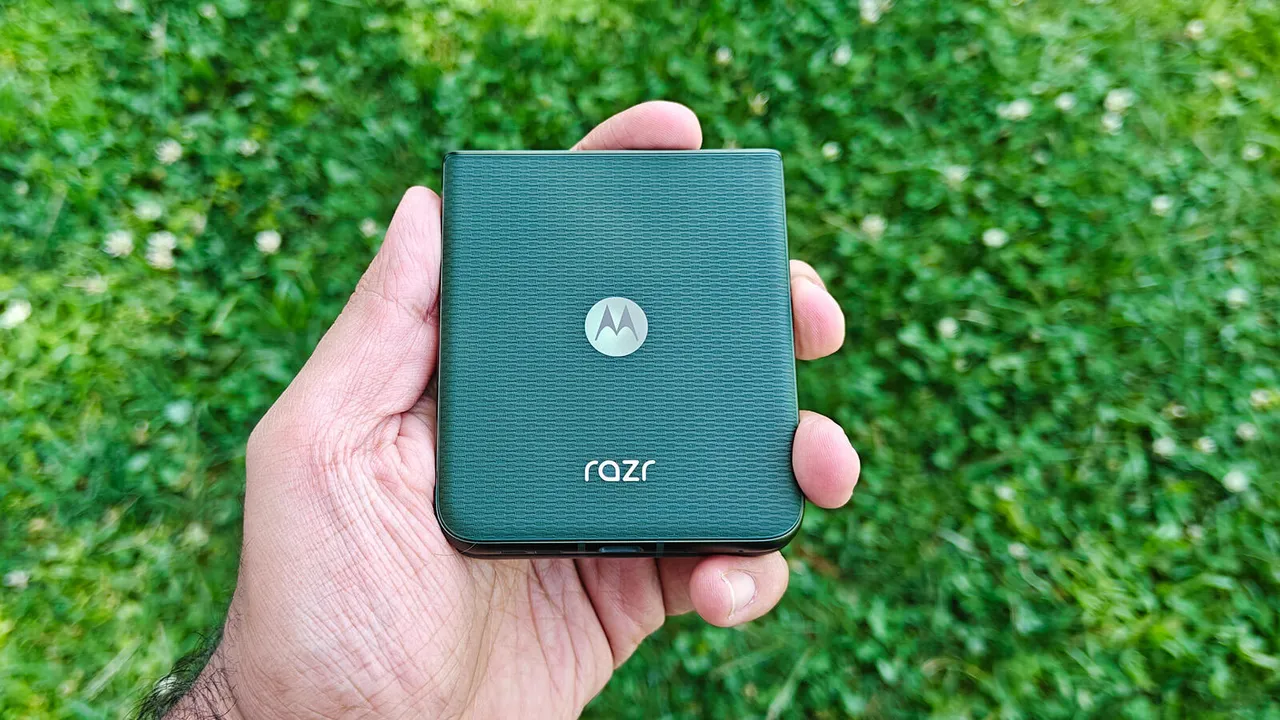
Market Dynamics and the Aggressive Push for Foldable Adoption
As the holiday shopping landscape intensifies, carriers are increasingly leveraging heavy subsidies to shift consumer behavior toward foldable devices. AT&T’s current promotion on the 2026 Motorola Razr+ is a prime example of this strategy. By slashing the monthly installment cost from approximately $29 to $4.43—a dramatic price correction—the carrier is essentially treating the Razr+ as an entry-level device to lower the barrier to entry for a form factor that has historically been categorized as a premium niche.
The implications for the mobile market are clear: manufacturers and carriers are no longer treating foldables as luxury experimental prototypes. Instead, they are positioning them as mainstream upgrades. With no trade-in requirement linked to this specific offer, AT&T is prioritizing net-new line activations, suggesting that the primary goal is not just hardware deployment, but expanding the total base of users tied to unlimited billing plans.
Evaluating the Hardware Position
The 2026 Motorola Razr+ arrives at a critical juncture in the flip-phone aesthetic evolution. Under the hood, the integration of the Snapdragon 8s Gen 3 chipset and 12GB of RAM aligns it with modern mid-to-high-tier performance expectations. However, the true hardware differentiator in this iteration is the thermal and power management shift necessitated by the 4,500 mAh battery.
By addressing the historically weak point of foldable hardware—battery life—Motorola is aiming to mitigate the most common consumer hesitation regarding the form factor. The combination of a 6.9-inch pOLED display and the 4-inch external cover screen suggests a design philosophy that prioritizes efficiency; users are increasingly expected to perform complex tasks on the exterior panel to preserve screen health and battery longevity.
The Mirage of Discount Percentages
While the sub-$5 monthly rate appears to be an aggressive consumer win, industry analysts often view these numbers through a different lens. From a fiscal perspective, the promotion represents roughly a 15% aggregate discount on the total retail value. The disparity between the perceived value of a near-negligible monthly payment and the actual value of the price reduction highlights the reliance on long-term installment contracts.
For the enterprise and the power user, this deal should be analyzed based on total cost of ownership rather than the lure of the promotional monthly price. While the hardware itself is undeniably capable—backed by a versatile 50MP dual-camera system and intelligent photography software—the commitment to an unlimited plan is the true tether.
Strategic Takeaways for Consumers
The Razr+ 2026 occupies the Goldilocks zone of Motorola’s portfolio: it avoids the premium cost of the Ultra line while stripping away few functional necessities. For those waiting for a stabilized, refined foldable experience, this device marks a point of maturity.
However, prospective buyers must recognize that supply-side volatility in these promotional windows is high. Carriers frequently pivot these offers as they hit activation targets. If the objective is to transition to a foldable device without the immediate capital expenditure, this offer is functionally superior to most existing promotions that require legacy device trade-ins. Nonetheless, keep in mind that the current aesthetic limitation—strictly the Pantone Mountain Trail finish—indicates a strategy to move specific inventory as the product lifecycle matures.