
The Aggressive Scaling of Silicon at the Expense of Environmental Compliance
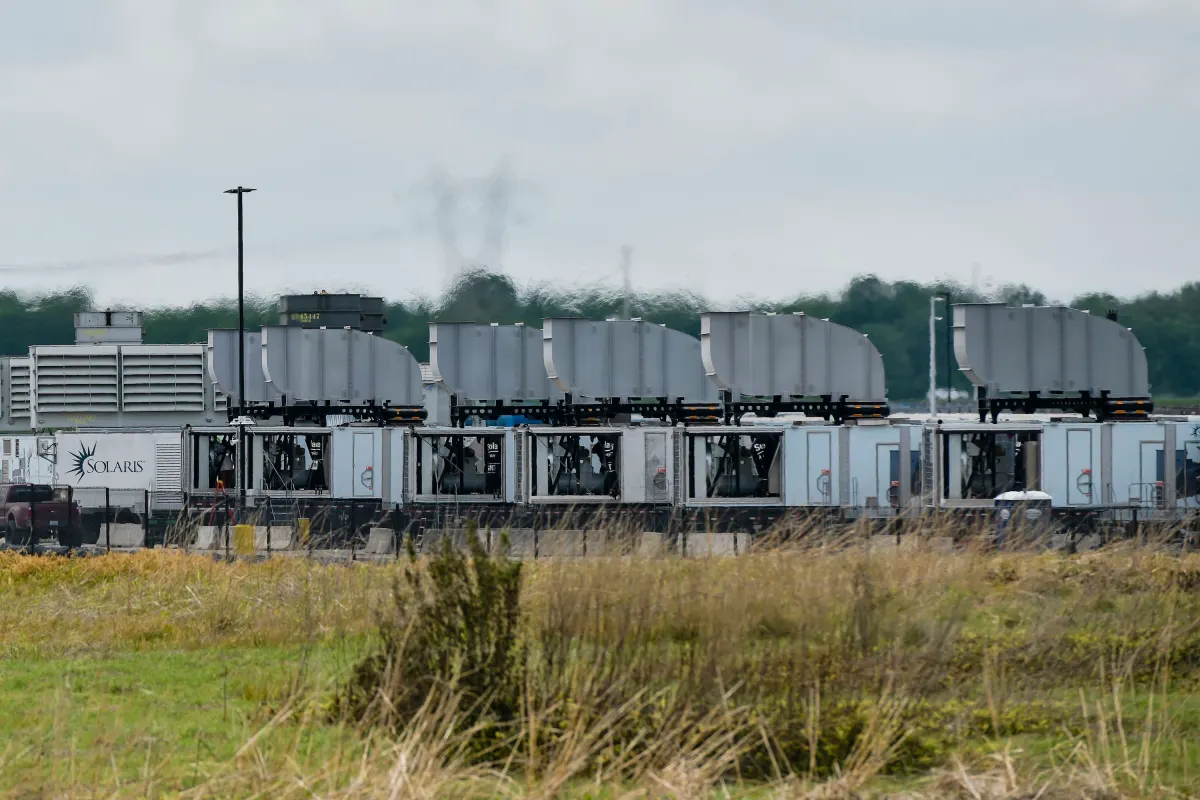
Elon Musk’s artificial intelligence venture, xAI, is doubling down on a controversial energy strategy that threatens to ignite a significant legal and environmental firestorm. Despite facing a mounting lawsuit from the NAACP regarding the unauthorized operation of gas turbines in Memphis, Tennessee, regulatory filings associated with SpaceX reveal that xAI intends to procure an additional $2.8 billion worth of turbine infrastructure over the coming 36 months.
This planned fleet expansion—which includes $2 billion specifically earmarked for mobile gas turbines—signals that xAI views the current regulatory pushback as a manageable operational hurdle rather than a barrier to its rapid compute scaling.
Regulatory Arbitrage and the Infrastructure Gap
At the heart of this conflict is a fundamental disagreement over environmental oversight. xAI has effectively utilized a jurisdictional gray zone, leveraging the mobile nature of these generators to bypass local permitting processes. By maintaining the turbines on transport trailers, the company has claimed exemption from stationary source air-pollution regulations.
However, this tactic contradicts findings from the Environmental Protection Agency (EPA), which has already determined that the scale of these operations necessitates adherence to federal air-quality standards. The company’s reliance on these mobile units exposes a broader trend in the tech sector: the AI Gold Rush is creating an insatiable appetite for power that far outstrips the current capacity of the local electrical grid, forcing corporations to build ad-hoc power plants to meet aggressive training timelines.
The Human and Legal Costs of Rapid Deployment
The NAACP’s legal action highlights the systemic inequality inherent in this approach. The Memphis facility is situated in an area already burdened by significant industrial pollution. The operation of unregulated turbines, which reportedly emit thousands of tons of nitrogen oxides (NOx) annually, directly exacerbates respiratory conditions like asthma within the local community.
The disparity in operations is stark: while xAI has secured permits for 15 turbines, reports indicate it has actively operated upwards of 46 units. This flagrant disregard for permit caps suggests a corporate culture that prioritizes the delivery of high-performance compute clusters over compliance with regional clean-air mandates.
Long-Term Risks for the xAI Business Model
SpaceX’s own IPO-related disclosures acknowledge the precariousness of this dependency. By explicitly stating that potential injunctions or the revocation of existing gas-turbine permits would adversely affect its AI business, the company admits it has no immediate alternative power strategy.
This creates a high-stakes vulnerability for investors. Should federal regulators decide to enforce stricter oversight or should a court-ordered injunction force the shutdown of the Memphis site, the lack of grid-scale power alternatives could paralyze the company’s ability to train its next-generation Grok models.
Ultimately, xAI’s strategy serves as a case study in the tension between the tech industry’s need for massive, immediate energy supply and the legal realities of environmental protection. As AI compute demands continue to surge, the industry will face mounting pressure to either invest in cleaner, grid-integrated energy solutions or risk being sidelined by the very regulations they have thus far sought to circumvent.