
The Paradigm Shift in Email Defense
The email security sector is currently witnessing a fundamental transition. For years, the industry relied on signature-based detection and heuristic engines to filter out malicious communications. However, the rise of generative AI has lowered the entry barrier for cybercriminals, transforming labour-intensive spear-phishing into an automated, highly convincing enterprise.
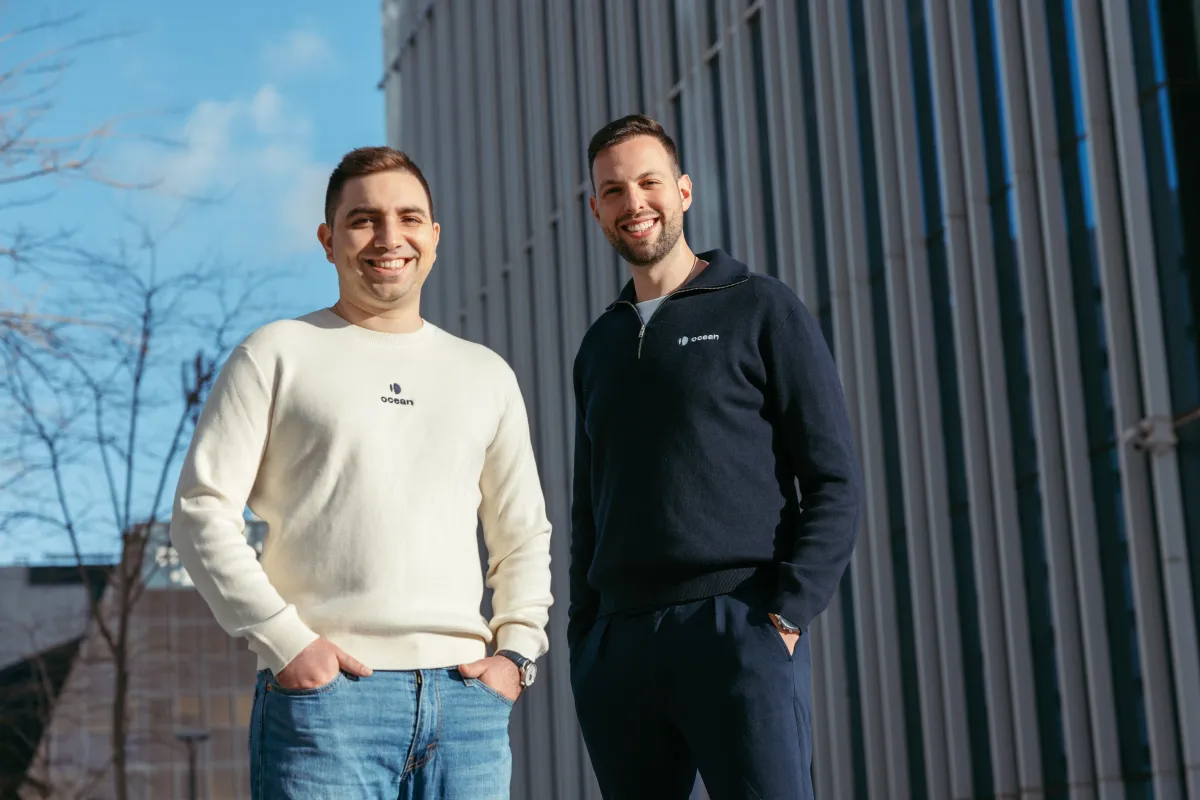
Ocean, a startup helmed by former Israeli defense intelligence veteran Shay Shwartz, has formally exited stealth mode to address this precise vulnerability. Securing $28 million in funding led by Lightspeed Venture Partners, the company is positioning its agentic email security platform as a necessary evolution beyond established vendors like Proofpoint and Mimecast.
From Adversarial Roots to Structural Defense
Shwartz’s transition from a teenage hacker—who famously redirected his talents after a 16-year-old regulatory intervention—to a key architect for Israel’s Iron Dome defense systems provides a unique perspective on threat modeling. Having spent a decade in elite cybersecurity roles, including a stint at Axis prior to its acquisition by HPE, Shwartz argues that historical reliance on static defenses is no longer sustainable.
The infusion of capital from high-profile backers, including Wiz CEO Assaf Rappaport and Armis co-founders Yevgeny Dibrov and Nadir Izrael, underscores a growing industry consensus: the inbox is no longer just an endpoint, but a primary attack vector currently undergoing an AI-driven transformation.
Agentic Intelligence vs. Traditional Heuristics
The core differentiator for Ocean is its focus on agentic security. Unlike legacy systems that look for known malicious patterns or blacklisted domains, Ocean utilizes a bespoke small language model (SLM) designed for low-latency contextual analysis.
By evaluating the specific intent behind an email, the platform can verify whether a request aligns with an organization’s internal operations, hierarchy, and historical communication patterns. This granular level of inspection is aimed at neutralized social engineering at scale, where AI-generated phishers utilize vast amounts of research to mimic authorized personnel with jarring accuracy.
Implications for Enterprise Security Architecture
The startup’s early adoption by firms such as Kayak, Kingston Technology, and Headspace indicates a market appetite for deeper, context-aware email hygiene. By moving away from reactive filtering toward a model that acts as a proactive, autonomous guard for every user, Ocean reflects a broader trend in cybersecurity: the shift from perimeter-based defense to granular, intent-aware intelligence.
As AI continues to refine its ability to generate adversarial content, firms like Ocean are betting that the future of enterprise defense lies in local, specialized models capable of parsing organizational nuance. For the industry, this signals that the next generation of security tooling will be defined not by how much data it blocks, but by how accurately it understands the legitimate operational context of the businesses it protects.