
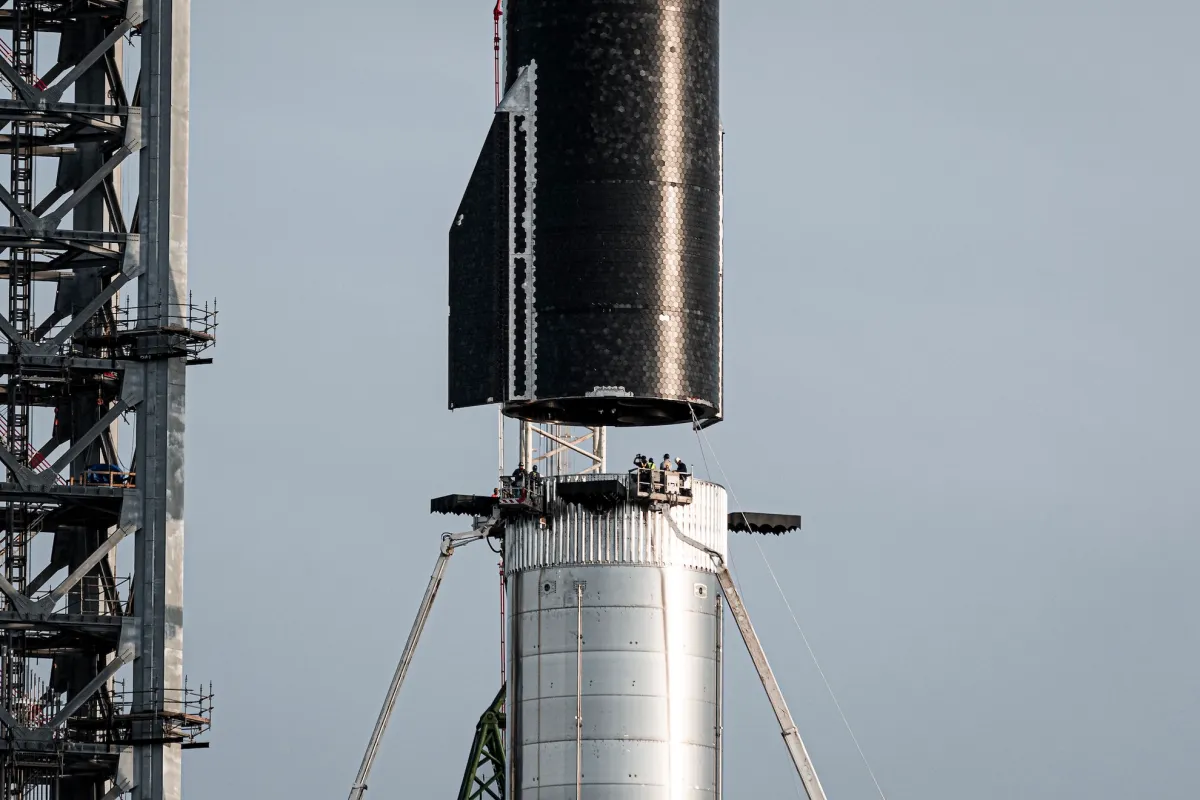
Tragedy at Starbase: Examining the Safety Crisis at SpaceX
A fatal workplace incident at SpaceX’s Brownsville, Texas facility has drawn immediate scrutiny from federal regulators. The Occupational Safety and Health Administration (OSHA) has confirmed the launch of an investigation following a worker’s death, an event that casts a long shadow over the company’s operations as it gears up for a pivotal Starship launch mission.
While SpaceX has maintained a characteristic silence regarding the incident, the silence is increasingly difficult to reconcile with the company’s high-frequency operational pace. The lack of commentary from both SpaceX and the municipal authorities in Starbase highlights a growing tension between the rapid-fire industrial ambitions of Elon Musk’s aerospace firm and the regulatory oversight required to manage such a complex, hazardous construction environment.
A Pattern of Regulatory Friction
This fatality is not an isolated development but rather the latest chapter in a broader narrative of safety concerns at the South Texas site. OSHA’s involvement follows a history of aggressive enforcement actions against the company.
Earlier this year, the agency issued seven “serious” safety citations, including one stemming from a crane collapse in June that nearly resulted in catastrophic harm. By imposing the maximum allowable penalties on six of these counts, totaling $115,850, OSHA sent a clear signal that the company’s internal safety culture—or lack thereof—is under a microscope. SpaceX’s decision to contest these fines further underscores the adversarial stance the company holds toward the regulatory framework managing its site.
Implications for the Upcoming IPO
The timing of this tragedy introduces significant volatility for the company’s financial timeline. Reports indicate that SpaceX is preparing to issue a comprehensive prospectus for an initial public offering (IPO), which is projected to be the most substantive public market debut in history.
Investors often weigh Environmental, Social, and Governance (ESG) metrics heavily when assessing massive equity offerings. A pattern of industrial accidents and ongoing federal investigations can serve as a catalyst for institutional divestment or, at the very least, higher risk premiums. If the prospectus details a culture of regulatory non-compliance, it could fundamentally complicate the valuation and investor reception when the IPO arrives next month.
The Scaling Dilemma in Aerospace
The core issue persists: Can SpaceX maintain its aggressive, high-risk development cycles while simultaneously ensuring the safety of a massive, evolving workforce? The Starbase facility is more than a testing ground; it is an active, high-pressure construction zone where the demand for rapid iteration often conflicts with stringent industrial safety standards.
As the company transitions from an experimental private enterprise to a massive public entity, the opacity surrounding these incidents will become increasingly untenable. For observers and prospective investors, the upcoming launch cadence will be viewed as much through a lens of operational safety as one of technological prowess. SpaceX now faces a critical inflection point: it must demonstrate that it can scale the Starship program without sacrificing the fundamental safety of its personnel.