
The Growing Disconnect Between Silicon Valley and the Campus
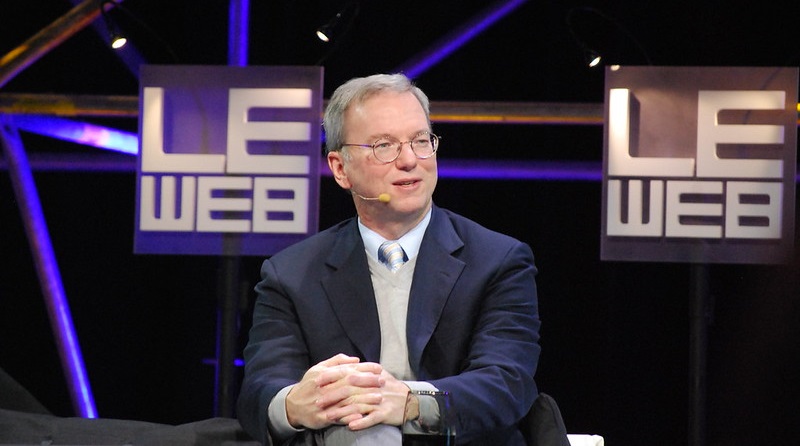
Former Google CEO Eric Schmidt’s recent commencement address at the University of Arizona serves as a bellwether for a deepening rift. When Schmidt attempted to frame artificial intelligence as an inevitable, transformative force for every aspect of human labor, he was met with a chorus of boos. This reaction was not an isolated incident; it signifies a broader, palpable anxiety among the generation poised to inherit a job market currently being reshaped by large language models and automation.
The volatility of these commencement addresses reflects a breakdown in the industry narrative. For years, tech luminaries have successfully marketed AI as a neutral tool for productivity. However, students—many of whom are entering the workforce during a period of massive headcount rationalization—no longer view this technology as a distant promise. They view it as an active threat to their early-career stability.
The Economic Anxiety of the Generational Divide
Schmidt’s attempts to soothe the crowd by acknowledging their fear that the machines are coming underscored the irony of the moment. As a high-profile investor with significant stakes in firms like Anthropic, Schmidt represents the architect class of the AI boom. To an audience worried about credential inflation and the obsolescence of entry-level knowledge work, a billionaire tech statesman promoting the inevitability of AI tools often lands as dismissive rather than visionary.
This reception marks the third instance in two weeks of commencement speakers facing intense backlash regarding AI-centric rhetoric. Whether it is a real-estate executive framing AI as the next Industrial Revolution or a tech founder touting AI agents, the message consistently fails to resonate when it does not explicitly address the socio-economic cost of the transition.
Strains on Infrastructure and Local Governance
Beyond the classroom, the friction is shifting from rhetoric to land-use policy. The rapid expansion of AI models requires a massive footprint of physical infrastructure, specifically data centers. These facilities are increasingly coming under fire for their localized impact on power grids and residential utilities.
The recent one-year moratorium in Hill County, Texas, on data center construction highlights an emerging NIMBY (Not In My Backyard) challenge for the industry. Communities are becoming hyper-aware that the invisible magic of the cloud requires intensive water consumption, massive electricity demand, and, in some cases, the disruption of local power pricing.
The Corporate Shift Toward Mitigation
Big AI players are beginning to recognize that both public sentiment and local regulation pose existential threats to their growth. Initiatives such as OpenAI’s Stargate Community and Anthropic’s parallel outreach programs are essentially preemptive damage control. These programs represent an acknowledgment that the industry can no longer operate in a vacuum.
To maintain their licensing to operate at scale, companies will need to do more than build clever software. They must invest in social license, ensuring that data centers do not cannibalize residential reliability or pricing. As this tension between Silicon Valley’s innovation cycles and the public’s economic reality continues to sharpen, firms that prioritize transparency and localized benefits will likely find a smoother path to deployment than those who simply follow the narrative of technological inevitability.