
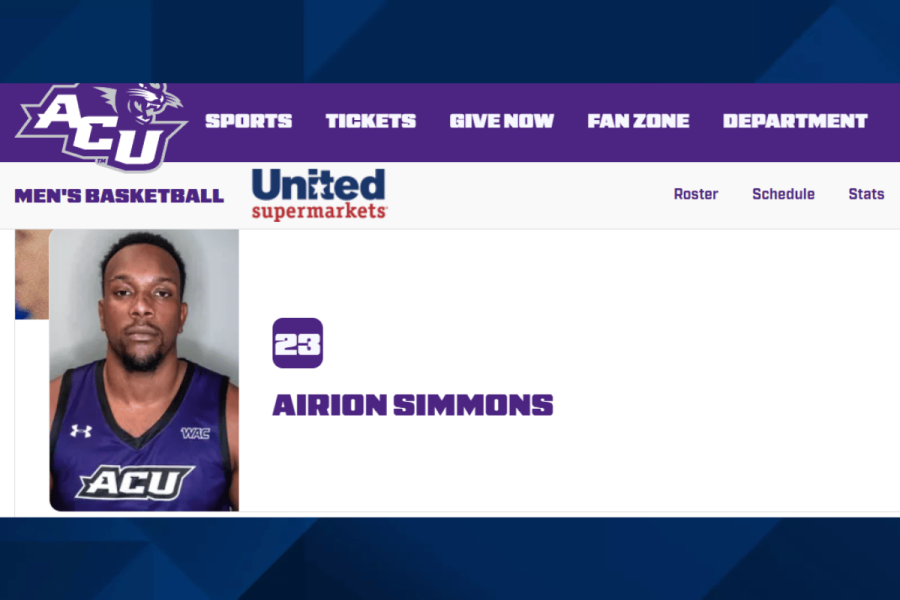
The Integrity Crisis: Analyzing the Airion Simmons Case
The recent NCAA ruling concerning former Abilene Christian University (ACU) basketball player Airion Simmons marks a grim milestone in the intersection of collegiate athletics and illicit sports betting. By formalizing a Level I violation against Simmons—the NCAA’s most severe classification for ethical misconduct—the Division I Committee on Infractions has signaled that the era of treating athlete gambling as a peripheral concern is over. The case, involving systemic point-shaving and financial bribery, underscores a structural vulnerability in amateur sports that could destabilize the collegiate landscape.
The Mechanics of a Betting Scandal
According to the investigation, the incident surrounding the March 20, 2024, game between ACU and Tarleton State was not a spontaneous decision but a coordinated conspiracy. Simmons admitted to accepting $3,500 in exchange for intentionally underperforming—the classic definition of point-shaving.
The investigation revealed a sophisticated pipeline of illicit communication. Simmons corroborated details regarding a FaceTime session with a third-party gambler, commonly referred to in NCAA documents as Known Bettor 1, where instructions were explicitly issued to influence the game outcome. Furthermore, Simmons exploited his position by leaking insider medical intelligence, specifically disclosing his own hand injury and the planned absence of a teammate. This misuse of non-public team data represents a dangerous breach of competitive integrity, as such information provides bettors with an unfair, asymmetric advantage.
Institutional Vulnerabilities and Detection Lag
Perhaps most concerning is the timeline of the discovery. The illicit agreement remained undetected until September 2025, when a former teammate, then playing for a Division II institution, disclosed the scheme. This nearly 18-month delay highlights a recurring failure in internal monitoring systems. If NCAA programs rely on hearsay or voluntary confessions from peripheral participants to surface major corruption, the actual number of undetected betting-related violations may be significantly higher than current official reports suggest.
The case also highlights the reckless nature of these illicit arrangements; Simmons admitted to collecting his payment in person at a Dallas outlet mall, a high-stakes, low-security transaction that demonstrates how emboldened the parties felt in their evasion of detection.
Legal Fallout and Policy Implications
The transition of this matter from internal NCAA compliance to federal prosecution—specifically the January 2026 indictment by the U.S. Attorney’s Office for the Eastern District of Pennsylvania—changes the stakes of such violations. With charges including wire fraud and bribery, the NCAA is no longer merely contending with internal policy enforcement; it is navigating the legal scrutiny of the Department of Justice.
This institutional response is part of a broader defensive posture. The NCAA is currently grappling with a surge of gambling-related discipline, including point-shaving probes across multiple universities and the frequent expulsion of student-athletes involved in betting manipulation. Furthermore, the rising trend of online harassment directed at athletes by disgruntled bettors suggests that the ecosystem surrounding college sports is becoming increasingly hostile.
For the NCAA, the Abilene Christian case serves as a high-profile warning. As states continue to legalize and promote sports betting, the barrier between fans and athletes has eroded. The organization is now tasked with retrofitting its compliance infrastructure to police a landscape where student-athletes are vulnerable to external pressures, financial bribery, and the constant temptation of easy money. The precedent set by the Simmons investigation indicates that the NCAA will prioritize the removal of compromised individuals as an existential necessity to protect the facade of amateur competition.