
A Coordinated Offensive Against Missouri’s Gray-Market Gaming
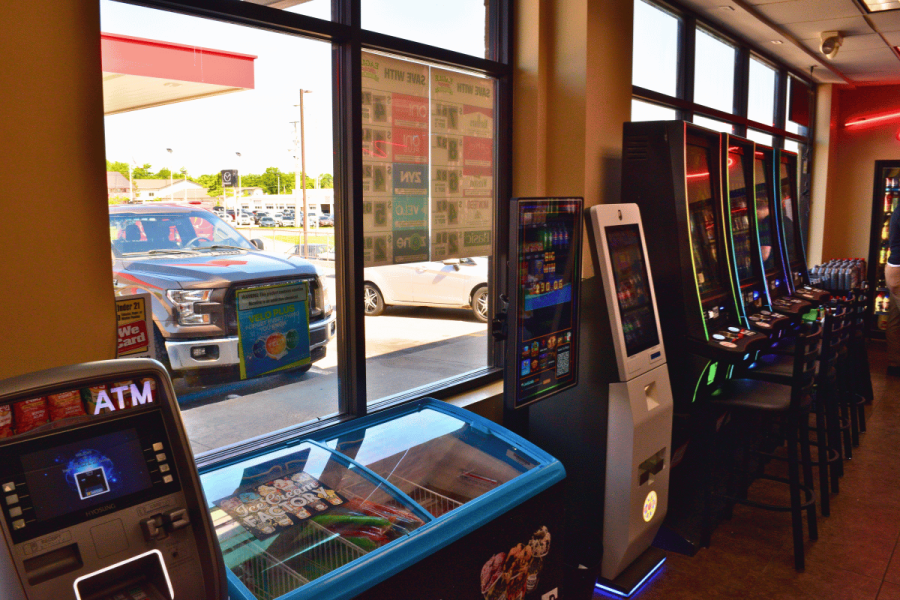
Missouri law enforcement recently concluded a multi-jurisdictional sting operation targeting the state’s sprawling network of unregulated gambling devices. Attorney General Catherine Hanaway, in collaboration with the Missouri State Highway Patrol and local agencies, executed search warrants across Boone, Dallas, Jefferson, and Miller counties. The raid resulted in the seizure of 35 illegal devices and nearly $60,000 in cash, signaling an aggressive pivot in the state’s regulatory stance.
The operation targeted five businesses: Eagle Stop locations in Columbia, Buffalo, and Lake Ozark, along with Woody’s Pub and Grub in Ashland and Tenbrook Station Lounge in Arnold. Legal fallout includes 21 felony counts of first-degree gambling promotion and five misdemeanor counts of second-degree promotion, alongside pending civil forfeiture proceedings.
The Collapse of the Skill Game Defense
For years, operators of unregulated slot-like machines have exploited a gray market loophole, often labeling their devices as skill-based games to evade traditional casino-style regulations. This strategy allowed distributors and retail outlets to avoid the hefty licensing fees, stringent age verification protocols, and tax burdens imposed on Missouri’s licensed gaming facilities.
Attorney General Hanaway’s rhetoric suggests that the state is finished debating the interpretation of these statutes. By explicitly linking these machines to nuisance centers and broader organized crime, the state is framing the issue not merely as a matter of tax avoidance, but as a public safety crisis. This escalation suggests that the gray market justification is no longer viable for business owners looking to supplement their income via third-party terminals.
Market Volatility and Regulatory Risk
The implications for the retail sector are significant. Convenience stores and independent pubs that have integrated these machines into their business models face immediate operational risk. As the Attorney General’s office moves into its next phase of enforcement, the cost-benefit analysis for business owners has shifted dramatically.
The threat of felony charges and the seizure of cash assets—often significant enough to potentially destabilize smaller business cash flows—creates a hostile climate for any establishment hosting non-sanctioned gaming equipment. Furthermore, the use of civil forfeiture under the Criminal Activity Forfeiture Act serves as a financial deterrent that extends beyond the immediate criminal penalties.
Industry Implications and the Path Toward Formalization
From an industry perspective, this crackdown will likely accelerate the decline of gray machines across the Midwest. As state officials continue to lean on the legal precedent established by these raids, distributors of these devices will likely face increased scrutiny, legal challenges, and difficulty securing retail partners.
This regulatory pressure forces a choice for retail operators: fully exit the gaming segment or transition to the state’s strictly regulated and taxed casino framework. For operators currently relying on the revenue streams from unlicensed machines, the fiscal impact of these raids is a clear signal that the era of regulatory ambiguity in Missouri is rapidly closing. Stakeholders throughout the industry should expect continued, coordinated enforcement actions as the state prioritizes the consolidation of gaming activity under its established legal framework.