
The Mounting Pressure on the OBBBA Gambling Tax Provision
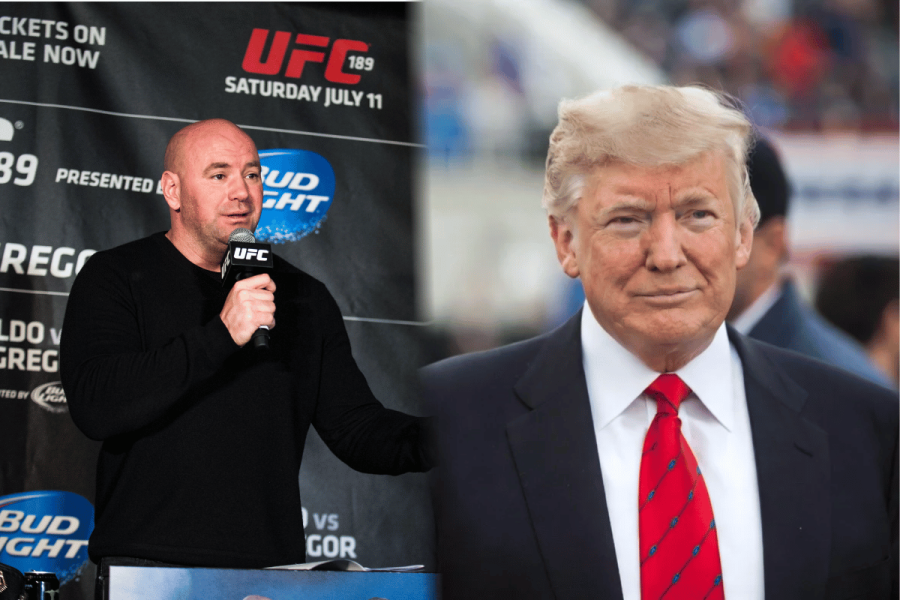
UFC President Dana White has formally petitioned President Donald Trump to intervene regarding a contentious tax provision embedded within the One Big Beautiful Bill Act (OBBBA). The core of the dispute lies in a fiscal adjustment that restricts annual gambling loss deductions to 90% of total losses, a sharp departure from the historical standard that allowed bettors to deduct losses against winnings in their entirety.
In a correspondence dated May 11, 2026, White highlighted the operational risks this policy poses to the legal gaming ecosystem. By forcing taxpayers to potentially shoulder a tax liability even when they end the fiscal year at a net loss, the 90% cap threatens to destabilize the integrity of the regulated market.
Economic Disincentives and the Offshore Threat
Industry analysts observe that this tax structure creates a significant rationality gap for the average consumer. When the cost of tax compliance and the mathematical certainty of a net-negative return under current law exceed the potential upside, high-volume participants are incentivized to exit the regulated U.S. market.
The American Gaming Association (AGA) and other stakeholders warn that this exodus will invariably benefit the offshore, unregulated betting sector. Unlike licensed domestic sportsbooks, these foreign entities operate outside U.S. tax jurisdiction and consumer protection mandates. If this provision remains in effect, the significant progress made by domestic regulators since the repeal of federal sports betting bans faces a genuine risk of regression, as capital flows back into the shadows of the internet.
The Intersection of Sports Entertainment and Fiscal Policy
White’s intervention is not merely a philanthropic endeavor for the betting public; it is a calculated defense of the commercial sports industry. Legal sportsbooks have evolved into essential sponsorship and advertising partners for organizations like the UFC.
When participation in legal wagering is stifled by punitive tax burdens, the resulting contraction in the betting ecosystem directly impacts the revenue streams of professional sports leagues. White’s argument suggests that the federal government is effectively cannibalizing a growth industry by mandating a fiscal structure that makes participation inherently irrational for the end user.
Legislative Momentum and Bipartisan Hurdles
The push to roll back the 90% limitation has gained significant traction among Nevada’s congressional delegation. Senator Catherine Cortez Masto, alongside Representatives Dina Titus and Steven Horsford, are leading the charge for a legislative reversal. Legislators have characterized the current provision as financially illogical, with the FULL HOUSE Act positioned as the primary vehicle for a potential fix.
Despite the bipartisan support, the path forward remains complex. The original OBBBA was a wide-reaching legislative package, and the tax provision is deeply integrated into its budgetary framework. For Congress to strip this out—or for the administration to issue an executive pivot—they must navigate the broader implications for federal tax receipts.
As White frames it, the administration faces a binary choice: maintain a rigid, highly criticized tax code that suppresses an emerging sector, or advocate for common-sense regulation that preserves the long-term viability of the legal domestic gambling market. With political pressure intensifying from multiple fronts, the debate over this tax provision is becoming a bellwether for how the current administration balances fiscal recovery with industry sustainability.