
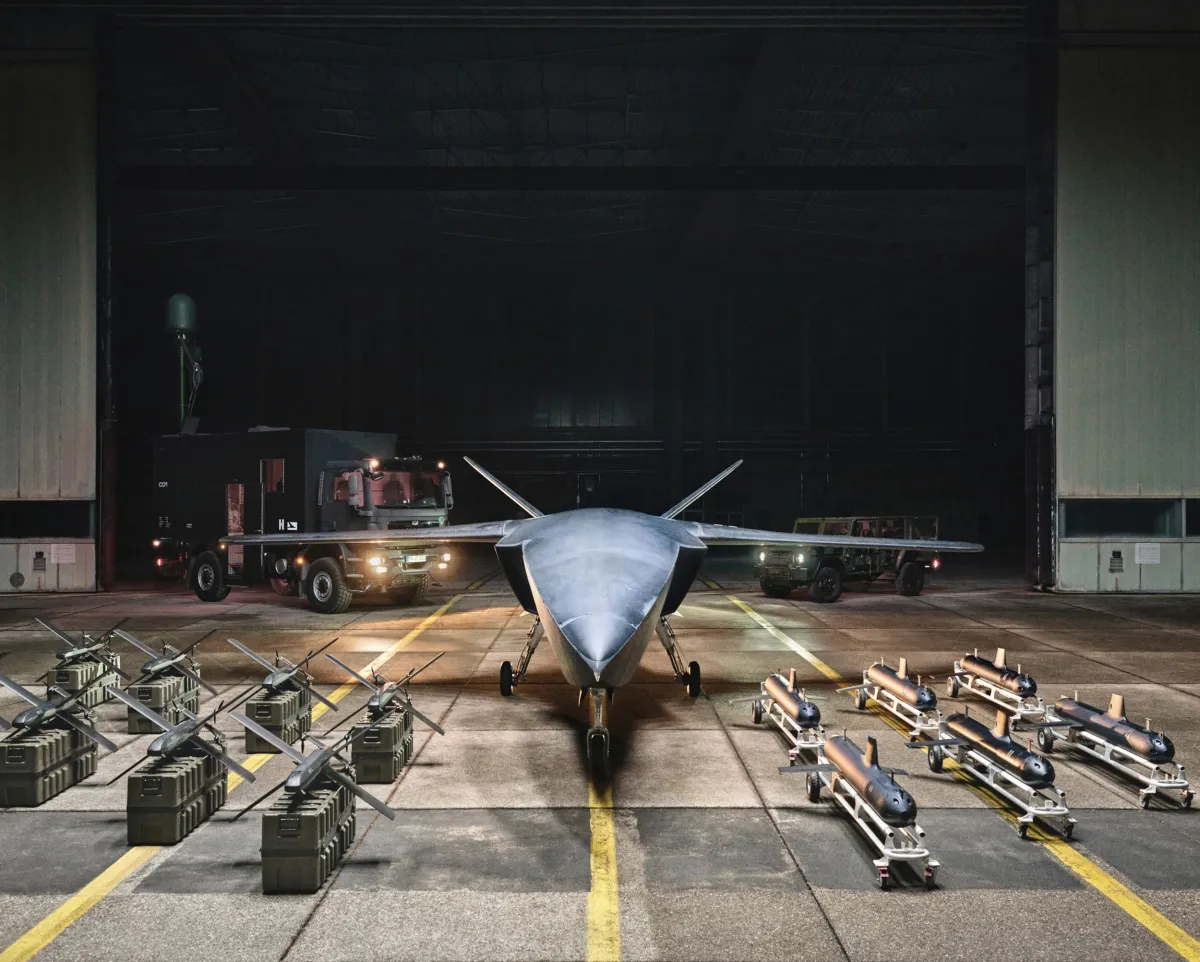
The Rapid Ascendance of Helsing: A Paradigm Shift in European Defense
European defense-tech startup Helsing is on the verge of securing a monumental $1.2 billion funding round, setting its valuation at a staggering $18 billion. This capital infusion, reportedly spearheaded by Dragoneer with participation from existing backer Lightspeed, signals a profound transition in how venture capital markets perceive the continental security landscape.
The deal represents a significant valuation markup from the company’s previous financing round just nine months ago. In June 2025, Helsing raised €600 million backed by Spotify founder Daniel Ek, valuing the firm at approximately $14 billion. This rapid appreciation underscores the intense investor appetite for localized, sovereign military technology providers as geopolitical tensions continue to reshape the continent.
Defense Tech as the New Frontier for European Venture Capital
Helsing’s trajectory reflects a broader maturation of the European defense-tech ecosystem. While the firm currently holds the highest valuation in the sector, it is not an isolated success story. The market is witnessing a cohort of autonomous defense companies attaining unicorn status, including Germany’s Quantum Systems, which achieved a valuation exceeding €3 billion in late 2024, and the Lisbon-based drone developer Tekever, which solidified a valuation above £1 billion.
The acceleration of these valuations is directly tied to the ongoing conflict in Ukraine. The battlefield has transformed into a high-intensity proving ground for autonomous systems, artificial intelligence, and real-time data processing. Investors are no longer treating defense startups as niche players but as critical infrastructure providers that offer the software-defined agility essential to modern asymmetric warfare.
Strategic Implications for the Global Defense Industry
Helsing’s model—focusing on AI and software stacks for defense—addresses a chronic vulnerability in European security: the reliance on legacy systems that struggle to integrate emerging digital capabilities. By pivoting toward autonomous, software-first hardware, startups like Helsing are capturing market share that traditional defense contractors were previously too slow or bureaucratic to address.
The leadership of firms like Dragoneer and Lightspeed in this round suggests that Western venture capital is shifting its risk appetite toward state-adjacent sectors. For years, European VCs generally avoided hard tech tied to defense due to ESG constraints and political sensitivities. That stigma has largely evaporated, replaced by a consensus that technological sovereignty is synonymous with existential security.
As this capital flows into the sector, the key challenge will be scaling production beyond the prototype phase. The industry is currently moving from the validation phase in the Ukrainian conflict to a procurement phase. If Helsing and its peers can successfully transition from battlefield-proven pilots to long-term government contracts, they will secure a permanent position in the bedrock of European defense, effectively challenging the long-standing dominance of legacy defense conglomerates.