
The Auditory Shift: How Voice-First Computing is Redefining the Workplace
The transition from tactile input to voice-driven workflows represents one of the most significant shifts in human-computer interaction since the graphical user interface. As dictation tools such as Wispr gain traction—particularly when coupled with sophisticated AI coding assistants—the traditional silent office is facing an existential crisis. Industry leaders are now suggesting that the future of technical work won’t be defined by the rhythmic clicking of mechanical keyboards, but by a chorus of professionals speaking to their machines.
The Sales Floor Paradigm and Office Culture
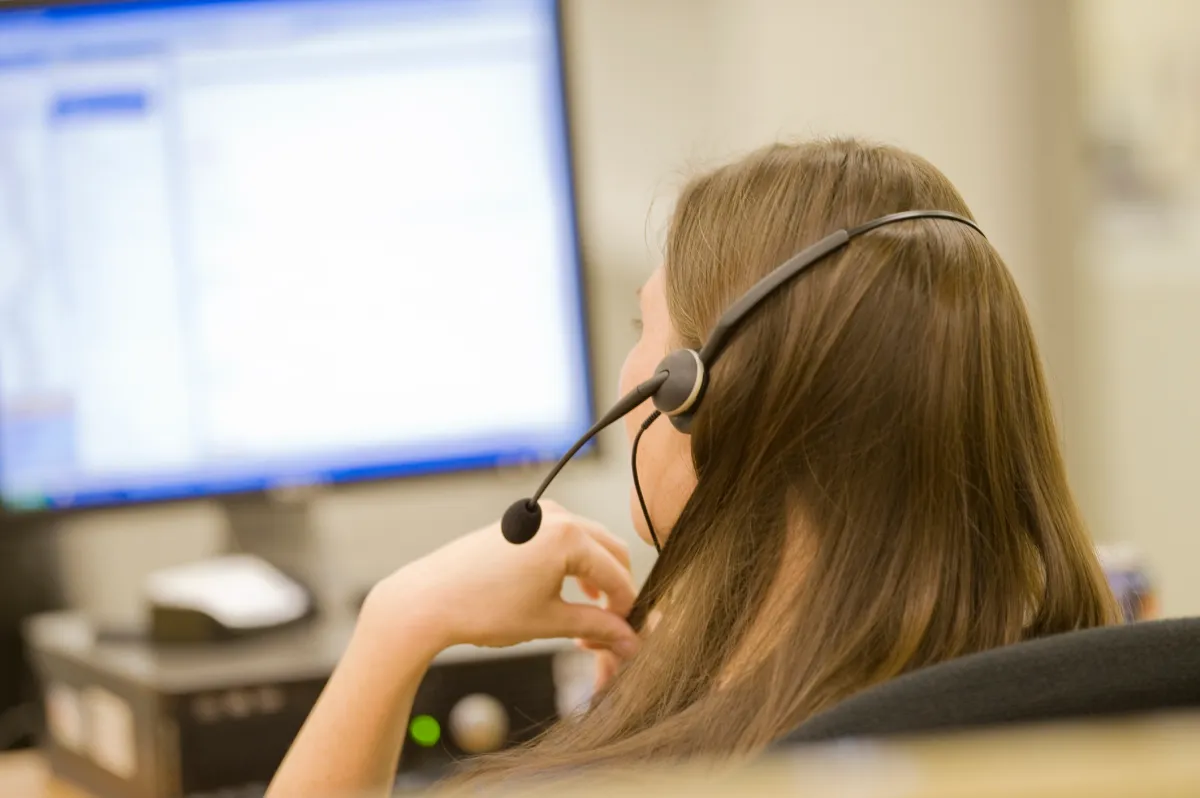
Calculated projections from figures like Gusto co-founder Edward Kim suggest that office environments are set to mimic the high-decibel energy of a sales floor. For organizations deeply integrated with generative AI, typing is increasingly viewed as an inefficient bottleneck. When the act of coding or drafting documentation can be verbalized at the speed of thought, the incentive to abandon the keyboard becomes immense.
However, this transition introduces a profound friction in professional etiquette. The open plan office, already criticized for its distractions, risks becoming an auditory minefield. If every workstation becomes a micro-station for voice transcription, the collective noise floor will necessitate a complete redesign of workspace acoustics and social norms. Organizations will be forced to choose between forced silence and a cacophony of AI-assisted dictation.
The Erosion of Privacy and Professional Etiquette
Beyond the office walls, this shift is bleeding into domestic life, creating new interpersonal tensions. The psychological hurdle of whispering to one’s computer is proving to be a significant social obstacle. Accounts from tech entrepreneurs highlight a growing domestic divide, where couples find themselves physically separated to accommodate the constant, low-level chatter required by productivity software.
This signals a shift in our threshold for intrusive technology. Just as the public once balked at people talking into Bluetooth headsets—only to eventually embrace the ubiquity of smartphone video calls in public spaces—the normalization of dictation may be inevitable. Yet, this normalization demands a trade-off: we are effectively expanding the workspace into our private spheres, turning living rooms into extension offices that prioritize AI-interface efficiency over domestic solitude.
Implications for Productivity and Interface Design
The industry must now grapple with the limitations of voice command accuracy, privacy concerns in shared spaces, and the inherent fatigue associated with continuous speaking. While Wispr and similar platforms promise a 10x boost in output speed through voice, they simultaneously create a cognitive overhead. Maintaining focus while verbalizing complex logic requires a different brain state than silent, iterative typing.
As firms experiment with these tools, the long-term impact remains uncertain. We are moving toward a future where our devices are no longer just tools, but conversational partners. Whether this leads to a meaningful leap in technical output or simply a noisier, more fractured working experience will depend on whether developers can refine whisper-tech to function in environments where silence was previously the gold standard. The era of the silent genius at the keyboard is closing; the era of the vocal, algorithmic conductor is just beginning.